
The Centre's ongoing scrutiny of Meta, which owns Facebook and Instagram, has brought a key question into focus – whether the social media giant's recommendation and paid content promotion are compatible with its status as an intermediary, government sources cited by news agency PTI said on Saturday.They said that the core issue is whether the Mark Zuckerberg-led company complies with the provisions of the Information Technology Act or transgresses into the role of a publisher by deciding "what content is shown to whom."All-in-all, the issue boils down to whether a platform that actively decides what users see, can continue to claim intermediary status under the IT Act, the sources noted.The matter is significant because Section 79 of the IT Act grants intermediaries "safe harbour" from liability for third-party content, provided they comply with the law and prescribed due diligence requirements. INTERMEDIARY AND PUBLISHER DISTINCTIONAccording to the sources, if Meta's algorithm determines "what is shown to whom" and also "promote content for payment," it raises the question whether such functions align with the definition of an intermediary under Indian law.They noted that if a platform decides what content gets shown to users, it amounts to publishing, and platforms would then have to take responsibility for their actions. They noted that a platform's active role in deciding what content gets shown to users could amount to publishing, potentially making it responsible for the content that gets circulated.GOVT TO SUMMON OTHER PLATFORMS ALSO?The government has reportedly asked Meta to take measures to address deepfakes following multiple rounds of discussions held over the past few days.As such, intermediaries, including social media platforms, are statutorily required under Section 79 of the IT Act, read with the IT Rules, 2021, to exercise due diligence as a condition to avail exemption from liability for third-party information uploaded, published, hosted, shared or transmitted on or through their platforms.Failure to comply may result in the loss of safe-harbour protection under Section 79. Such intermediaries may also face consequential action under applicable laws, including the IT Act and the Bharatiya Nyaya Sanhita (BNS).Sources said the government will also engage with other platforms as it examines whether they satisfy the legal definition of an intermediary. This week, the Centre questioned a global team of Meta on issues including deepfakes, child sexual abuse material (CSAM), unlabelled synthetic content and the functioning of recommendation systems.After two days of intensive questioning of Meta's senior officials, the government on Friday shifted to technical discussions with the company, during which the social media giant reportedly detailed how it plans to address the concerns in question.On Wednesday, Meta apologised for the temporary removal of Prime Minister Narendra Modi's Facebook post, as well as for failures ranging from child sexual abuse content to deepfakes and boosting certain content by being paid "a lot of money", PTI's sources had earlier said.- Ends(With inputs from PTI)Published On: Aug 8, 2026 14:31 IST
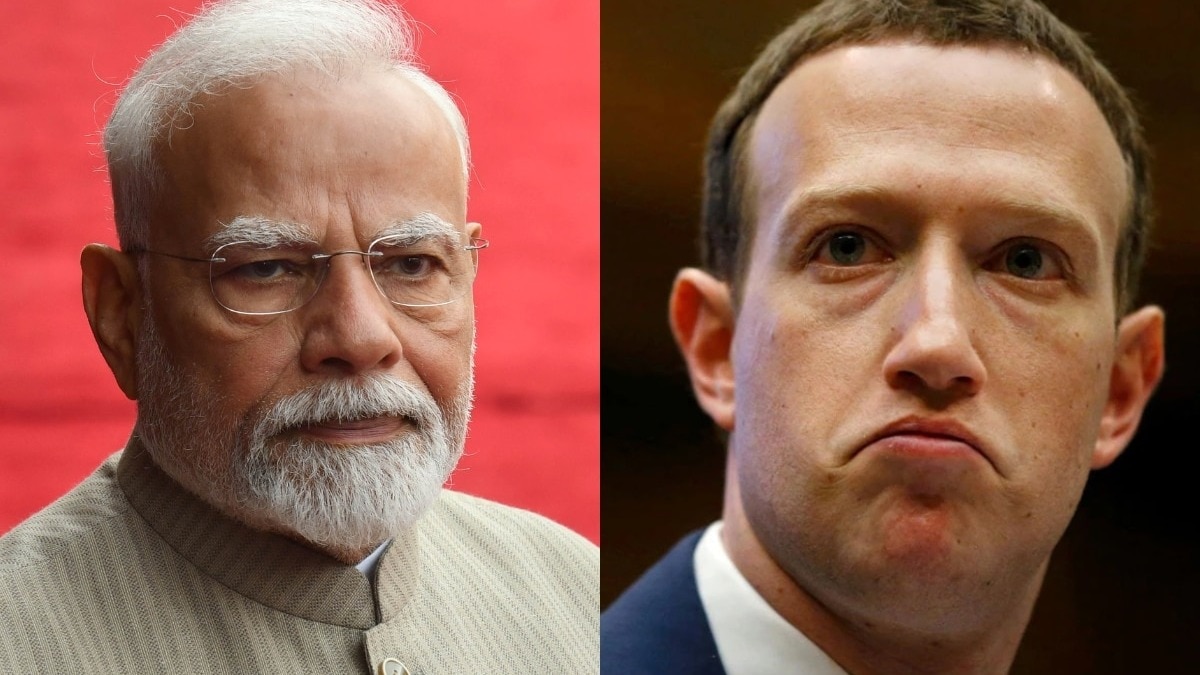
After Meta's apology, govt examines platform's role in 'what is shown to whom'
Full Article
Original Source
Read the full article at Indiatoday →KhanList aggregates and links to publicly available news content. We do not host full articles from third-party sources. Always verify important information with original sources.