
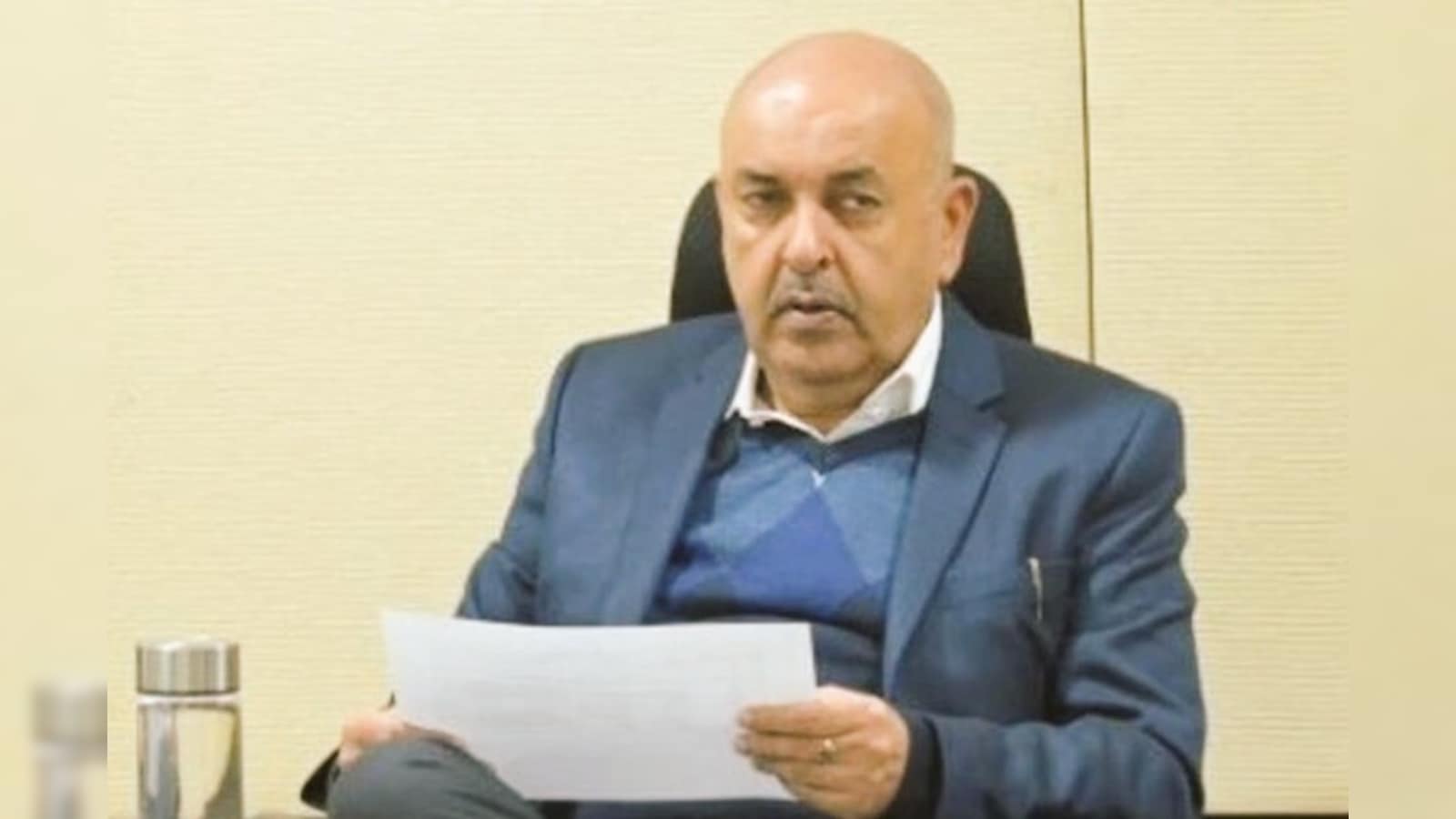
New Delhi: Rising crude oil and natural gas prices are imposing an additional financial burden of around Rs 6-7 lakh crore annually on the Indian economy, Tarun Kapoor, adviser to the Prime Minister, said on Friday. He also called for developing biofuels for blending with diesel, citing the success of the ethanol-blending programme.Delivering the keynote address at the 16th Energy Security Conference organised by the Confederation of Indian Industry (CII), Kapoor highlighted the growing importance of energy security and stressed the need to address it from both short-term and long-term perspectives. He said recent developments have underscored the vulnerability of countries to unpredictable changes in global energy markets. India's heavy reliance on imported oil and natural gas, which account for around 35 per cent of the country's total energy consumption, exposes the economy to significant risks, he noted.Kapoor said rising energy prices have broader implications for fertiliser costs, transportation expenses and the prices of essential commodities.He added that the government, along with oil marketing companies, has absorbed a substantial part of the increase in international energy prices to shield consumers from the full impact.Emphasising the need to strengthen India's resilience against future disruptions, he called for expanding strategic energy storage capacities.While India has explored alternative sources of crude oil and natural gas, he said an immediate shift remains limited due to the country's large energy requirements.Referring to PM Modi's appeal to reduce energy consumption, Kapoor said initial gains had been offset by higher incomes, economic growth and increasing transportation needs, which have pushed energy demand upwards.He stressed the need for structural changes in the transportation sector, including greater use of the electrified railway network for passenger and freight movement and faster adoption of electric vehicles.Discussing domestic energy resources, Kapoor identified coal gasification as a significant opportunity to enhance energy security. He highlighted its potential to produce syngas for fertiliser manufacturing and other industrial applications, adding that carbon capture technologies could help mitigate environmental concerns.He also underscored the importance of biofuels in reducing dependence on imported petroleum products.Highlighting the success of the ethanol blending programme, Kapoor said India now needs to develop biofuels for blending with diesel, which accounts for a substantial share in the country's petroleum consumption.He also pointed to the potential of compressed biogas (CBG) and expressed confidence that the sector would expand over the next one to two years.Praising the government's GOBARdhan scheme, he said capital subsidies and assured procurement arrangements were improving the commercial viability of CBG plants and encouraging greater private-sector participation.Turning to the power sector, Kapoor stressed the need to accelerate renewable energy deployments and develop pumped-storage hydropower projects to address the intermittency of renewable energy, improve grid flexibility and ensure reliable electricity supply.Concluding his address, he said India must accelerate the transition to renewable energy, increase the use of domestic resources and reduce its dependence on imported fuels. He also urged companies in the conventional petroleum sector to diversify into renewable energy, electric mobility, biofuels and other emerging clean-energy technologies.Earlier, Prabh Das, Chairman of CII's Core Group on Energy Security and Managing Director and CEO of HPCL-Mittal Energy Limited, highlighted the need to strengthen India's energy security amid shifting global geopolitics dynamics.He said that while India had managed recent supply disruptions effectively, the country needed to better prepare for future uncertainties by diversifying energy sources and strengthening domestic capabilities.Das noted that rising energy demand would require simultaneous growth across coal, oil, natural gas and renewable energy. He also called for expanding strategic and commercial oil storage, strengthening domestic petrochemical manufacturing and improving energy efficiency through artificial intelligence, automation and digitalisation.During the conference, Rahul Bharti, Senior Executive Director at Maruti Suzuki India Limited, highlighted India's handling of the Middle East crisis and stressed the need to reduce reliance on China for critical components, particularly rare-earth magnets used in electric vehicles.He advocated balancing the three Es - Energy, Economics and Environment - while shaping India's energy strategy. He also called for greater adoption of electric vehicles, hybrid vehicles, CNG and biofuels, alongside the development of lighter and more fuel-efficient vehicles.In a special address, Anil Kumar Jain, Chairperson of the Petroleum and Natural Gas Regulatory Board (PNGRB), stressed the need to diversify India's energy mix and reduce dependence on a limited number of fuel sources.He outlined five key measures to strengthen energy security: diversifying energy imports, securing long-term LNG contracts, acquiring overseas oil and gas assets, expanding domestic exploration and developing transnational gas pipelines.He also emphasised the need to increase industry participation, promote competition and accelerate electrification across transport, households and industries, supported by renewable energy, to improve efficiency and long-term sustainability.
After Ethnol, India Now Needs Biofuels For Diesel Blending: PMO Adviser
Full Article
Original Source
Read the full article at Ndtv →KhanList aggregates and links to publicly available news content. We do not host full articles from third-party sources. Always verify important information with original sources.