
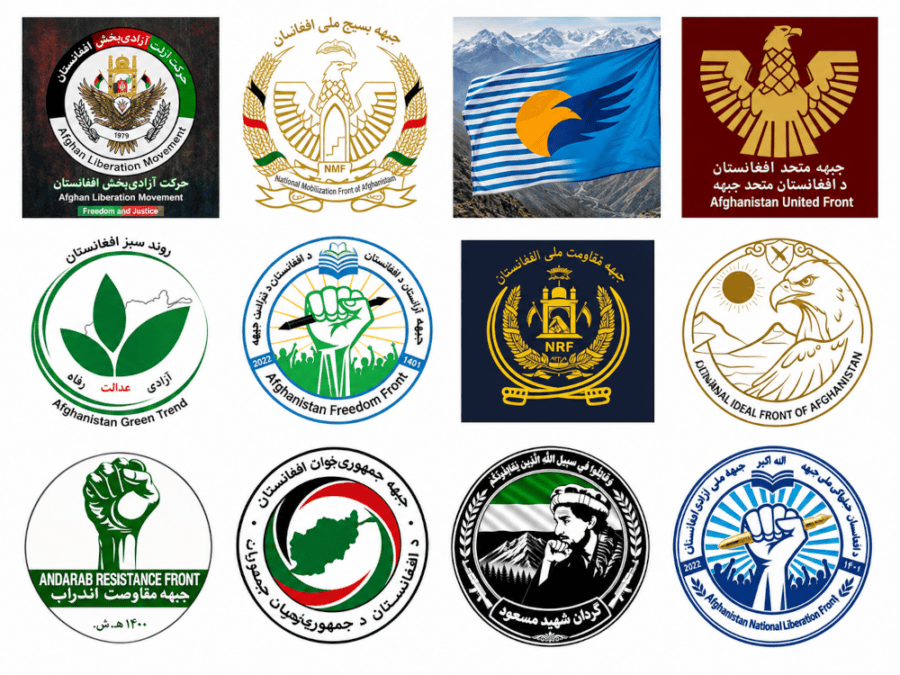
In October, the anti-Taliban resistance in Afghanistan more than doubled its attacks from September, as the Afghan United Front (AUF) claimed the most attacks and two new groups entered the conflict at the end of the month. The anti-Taliban resistance claimed 82 attacks, consisting of improvised explosive device (IED) attacks, indirect fire, ambushes, and assassinations, reportedly resulting in 122 Taliban members killed and 68 wounded. The attacks took place in the southern provinces of Kandahar, Helmand, and Zabul; the northeastern provinces of Badakhshan, Baghlan, and Takhar; the central provinces of Kabul, Bamiyan, Parwan, Kapisa, Panjshir, and Wardak; the western provinces of Ghor and Herat; the northern province of Sar-e Pol; the eastern provinces of Kunar, Nangarhar, and Nuristan; and the southeastern provinces of Ghazni, Paktia, and Logar. Former 215th Helmand Corps commander Lieutenant General Sami Sadat’s AUF claimed 36 operations, more than three times the number claimed by the next most active group, with most of the attacks taking place in Kandahar and Helmand. Sadat, who grew up in Helmand, is the only anti-Taliban resistance leader whose group is focused on challenging the Taliban in its spiritual stronghold of southern Afghanistan. Notably, on October 26, the AUF claimed seven attacks in Ghor, Badakhshan, Ghazni, Zabul, Kandahar, and Parwan provinces within 24 hours, underscoring advanced operational planning. Ahmad Massoud’s National Resistance Front (NRF), one of the oldest and most established anti-Taliban resistance groups, claimed 11 attacks in Badakhshan, Baghlan, Panjshir, Herat, Kandahar, and Wardak provinces. That total includes attacks by the Martyr Massoud Brigades and Panjshir Unit 01, two NRF-affiliated groups. The Martyr Massoud Brigades, which announced its formation on September 12, claimed a first operation on October 24 with an attack in Panjshir province targeting a Taliban vehicle. The operation reportedly killed four Taliban members and wounded two others. Notably, on October 4, the NRF claimed an attack that killed Safiullah Motawakel, the Taliban’s deputy intelligence chief for Faizabad, Badakhshan, along with two bodyguards. Relatedly, on October 18, the Taliban killed NRF commander Mirwais Khan in Paryan district of Panjshir province. This is the second NRF commander killed in the last three months. On August 19, the Taliban killed Hasib Panjshiri in northern Salang, an area of Parwan province north of Kabul. Former Afghan National Army Chief of General Staff Yasin Zia’s Afghan Freedom Front claimed 10 attacks in Badakhshan, Parwan, Kabul, Kapisa, Kunar, Logar, Nuristan, and Takhar provinces. Notably, on October 22, the AFF claimed an indirect fire attack on Bagram Airbase, reportedly killing or wounding more than 10 Taliban members. For the second straight month, the AFF also claimed sustained engagements in Kamdesh district, Nuristan province. Kamdesh abuts the Pakistani border, likely indicating an AFF effort to secure freedom of movement in the area and establish logistical routes. Relatedly, on October 29, Afghan media reported that Abdul Sattar Husseini, a former member of parliament from Farah province, and two other AFF members had left the AFF and formed their own organization, the Afghan National Liberation Front (ANLF). On October 31, the ANLF claimed its first attack on the 203rd Mansouri Corps in Gardez, Paktia, reportedly killing two Taliban members and wounding one. The ANLF even adopted an emblem nearly identical to the AFF’s, changing only the color scheme. The proliferation of such groups highlights the fragmented nature of the anti-Taliban resistance, which has struggled to present a united front against the Taliban. Former First Vice President and National Directorate of Security director Amrullah Saleh’s Green Unit, the military wing of the Green Trend, claimed eight attacks in Badakhshan, Panjshir, Bamiyan, Helmand, and Herat provinces, the highest monthly total for a group that began conducting combat operations this year. Notably, the Green Unit claimed responsibility for downing an Indian-made Cheetal helicopter in Panjshir, injuring both pilots. The Taliban denied those claims, stating that the aircraft hit rocks while landing in an unsuitable location. Other smaller anti-Taliban resistance groups also conducted notable attacks in October. The Afghanistan Republican Front (ARF), led by former Bamiyan governor Tahir Zamir, claimed nine attacks in Bamiyan, Sar-e Pol, Ghazni, Ghor, and Kabul provinces. Notably, on October 11, the ARF claimed responsibility for an IED attack on a Taliban patrol in Firozkoh, the capital of Ghor province, reportedly killing four Taliban members and wounding two. On October 19, the Homeland Soldiers Front claimed its first attack since it overran a Taliban district center in Yaftali Sufla, Badakhshan. The October attack targeted the Taliban’s district governor of Kalfgan, Takhar province. The National Mobilization Front (NMF) assassinated a senior Taliban prison official in Jalalabad, Nangarhar, on October 5. The Taliban confirmed the official’s death. On October 15, the Taliban claimed to have killed the man responsible for the assassination in Dand Patan district, Paktia province. The Freedom and Justice Movement (FJM), led by former Afghan National Army commander Hamed Saifi, claimed an attack on October 22 in Parwan province that targeted a Taliban outpost, reportedly killing one Taliban member and wounding two others. On October 17, the Afghan Liberation Movement claimed an ambush on a Taliban convoy. Two weeks later, on October 31, the National Ideal Front, a new anti-Taliban resistance group, claimed three attacks in Ghazni, Baghlan, and Helmand provinces, reportedly killing one Taliban member and wounding two others. Separately, the National Independence Front, which claimed its first attack on March 13, said it conducted 14 attacks in October. However, many of its attack videos posted on X appear to use old footage, and an operation claimed on October 29 was accompanied by an obviously staged video. Accordingly, FDD’s Long War Journal did not include the group’s claimed attacks in its monthly total. The AUF’s entry onto the battlefield has doubled the number of reported attacks. With other groups, like the ARF and AGT, claiming nearly as many operations as the NRF and AFF, the anti-Taliban resistance saw a marked increase in claims. However, the death of another NRF commander and the continued fragmentation of the resistance raise questions about the groups’ ability to translate increased activity into a sustained challenge to Taliban rule. Will Selber is a retired US CENTCOM foreign area officer with over 4 years in Iraq and Afghanistan. He is the owner of Grumpy Combat Veteran on Substack.
Afghan United Front leads October surge in claimed anti-Taliban attacks
Full Article
Original Source
Read the full article at Fdd →KhanList aggregates and links to publicly available news content. We do not host full articles from third-party sources. Always verify important information with original sources.