
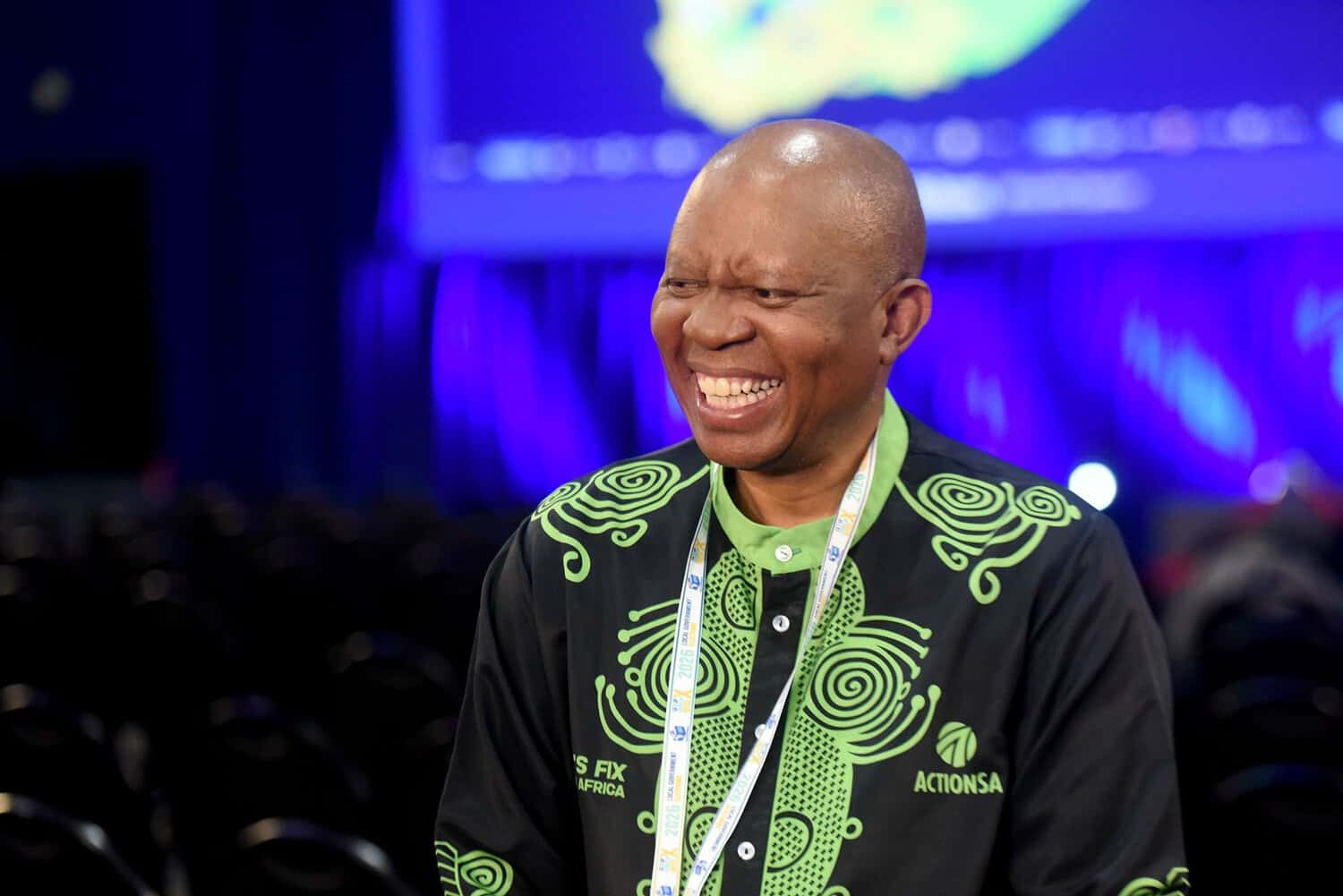
ActionSA finished behind DA in all three cities but it can negotiate with competing blocs that need additional support. The DA emerged from the election as the largest party in Johannesburg, Tshwane and Ekurhuleni, but the strongest electoral position does not automatically translate into the strongest negotiating position. ActionSA finished behind the DA in all three cities, but it can negotiate with competing blocs that need additional support. Gauteng’s next municipal governments will depend on which parties can assemble council majorities and ActionSA has options that the DA cannot afford to dismiss. The DA has earned a mandate to represent its voters, but no party has received a mandate to govern these cities alone. Coming first establishes electoral strength without settling who becomes mayor. ActionSA’s opportunity lies in the distance between those two outcomes, where a smaller party can convert its willingness to support different arrangements into influence over the government that eventually emerges. Council seats provide a firmer basis for that argument than adding together vote percentages. Published allocations give the DA 91 seats and ActionSA 43 in Johannesburg, leaving them two short of the 136 needed for an outright majority. In Tshwane, their combined 122 seats comfortably exceed the threshold of 108. In Ekurhuleni, their 106 seats fall seven short of the required 113. Even an agreement between the DA and ActionSA would therefore require additional support in two metros. The alternative involving the ANC deserves equal attention. On the reported allocations, the ANC, ActionSA, EFF and Umkhonto weSizwe party together hold 138 seats in Johannesburg, 109 in Tshwane and 128 in Ekurhuleni. Those combinations cross the majority threshold in each city, although Tshwane leaves little room for dissent. These figures establish a negotiating possibility, rather than an agreed coalition, but they undermine any assumption that ActionSA must accept the DA’s terms. However, ActionSA cannot claim an exclusive right to determine the outcome. An agreement between the DA and ANC would command a majority in all three metros without it. The party’s leverage therefore depends partly on whether the two larger organisations regard cooperation with each other as more costly than accommodating ActionSA. Its influence would diminish sharply if the DA and ANC reached an agreement. That possibility exposes the central tension in the negotiations. The DA can argue that its electoral results justify leading the administration. The ANC can use its remaining seats to seek influence despite a severe defeat. ActionSA can negotiate between those positions, offering either party a route into government while seeking executive authority beyond what its own seat total would ordinarily secure. Each party’s preferred outcome depends on concessions from another. Cooperation between ActionSA and the ANC is already more than an arithmetical exercise. ActionSA described its first round of post-election discussions with the ANC as productive and mutually respectful. Tshwane also provides a precedent for an ActionSA mayor governing with ANC support. Neither development guarantees agreement elsewhere, but both make it harder to dismiss such cooperation as an arrangement conceived solely to strengthen ActionSA’s bargaining position. For the ANC, accepting an ActionSA mayor could preserve its participation in government, while conceding that its electoral position no longer entitles it to lead. For ActionSA, the same arrangement could turn a smaller council presence into executive responsibility. However, the exchange carries political costs. ActionSA would have to explain how a partnership with the ANC advances the change its supporters sought. The DA faces a different difficulty. Negotiating with the ANC could secure office while complicating its campaign against ANC municipal failure. Refusing that option could strengthen ActionSA’s position, but accepting it would require the DA to explain why cooperation serves residents better than opposition. The ANC’s ward victories also deserve careful interpretation. Winning more wards than the DA in these metros demonstrates geographically concentrated support, but it does not establish administrative competence or ownership of township voters. Those victories give the ANC elected representatives and local political relationships that matter in negotiations. They do not establish that an arrangement between the ANC and ActionSA would deliver better services than the alternatives. ActionSA’s opportunity consequently carries a responsibility that bargaining alone cannot discharge.
ActionSA’s balancing act in Gauteng coalition talks
Full Article
Original Source
Read the full article at Citizen →KhanList aggregates and links to publicly available news content. We do not host full articles from third-party sources. Always verify important information with original sources.