
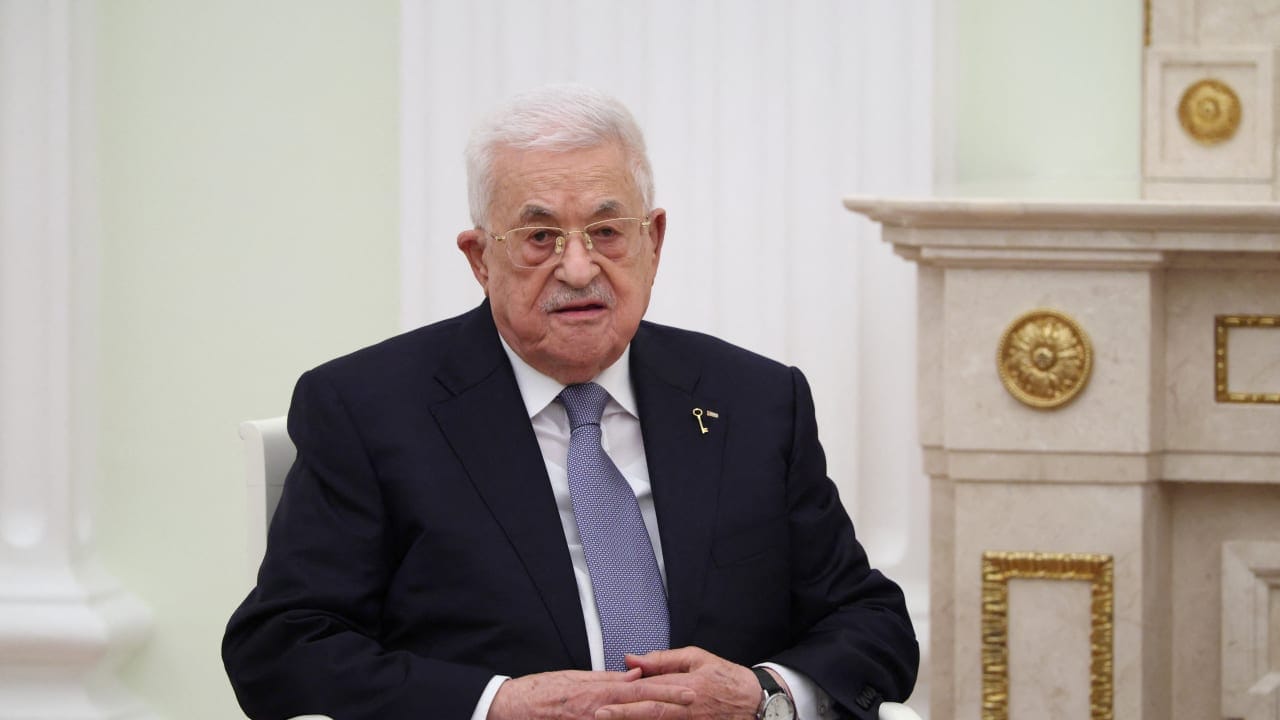
OCTOBER 11, 2026 05:55Palestinian Authority President Mahmoud Abbas postponed legislative elections on Saturday, replacing the November 28 vote with a promise of presidential and parliamentary elections on September 11, 2027.His decree cited Israeli actions and deteriorating conditions across Gaza, the West Bank, and East Jerusalem.The difficulties facing election organizers are substantial. Gaza is devastated, Hamas remains armed, and movement restrictions complicate preparations. Those conditions require serious practical arrangements.Abbas also owes Palestinians an explanation of how another postponement will produce a political system capable of holding its leaders accountable.Palestinians last elected a president in 2005 and a legislature in 2006. Abbas’s presidential mandate expired in 2009. An entire generation has reached adulthood without choosing its national leadership.Palestinian President Mahmoud Abbas leads the newly elected Fatah Central Committee meeting in Ramallah in the West Bank, June 3, 2026. (credit: PPO/Handout/REUTERS)Responsibility for that prolonged failure rests heavily with the Palestinian leaders who have retained power throughout it.Palestinians need accountable leadership, Israel needs reliable securityPalestinians deserve the opportunity to replace their rulers peacefully. Israel also has an interest in credible Palestinian institutions that can maintain security, implement agreements, and exercise authority over armed factions.Building such institutions requires sustained reform, enforceable rules, and leaders prepared to accept limits on their power.Hamas’s victory in the 2006 legislative election and its subsequent violent takeover of Gaza must inform any discussion of another vote. The organization responsible for the October 7 massacre cannot acquire a legitimate claim to govern while retaining its terrorist infrastructure.Its weapons threaten Israeli lives and the freedom of Palestinians to organize, campaign, and disagree.Participation should therefore require renouncing terrorism, recognizing Israel, accepting existing agreements, and dismantling independent armed forces. These obligations must apply equally to every faction and be verified in practice.Candidates running under alternative labels must face the same scrutiny when evidence establishes organizational ties to armed groups.Eligibility rules should be published in advance and subject to independent review. Their enforcement must rest on documented conduct, with a fair appeal process protecting peaceful challengers from arbitrary exclusion by incumbents.A credible election also requires an independent electoral commission, accessible voter registration, impartial courts, and protection for journalists and opposition candidates.Voters must be able to criticize the Palestinian Authority without fear. Parties must commit to respecting the results and allowing future elections, including when their own hold on office is threatened.Abbas must set clear reform deadlines ahead of September 2027 electionsAbbas should publish a timetable for those reforms, with deadlines that can be assessed before September 2027.Preparations for polling and international monitoring should proceed alongside transparent public finances, scrutiny of security institutions, and action against incitement.Public funds must be subject to safeguards preventing their use to reward or encourage terrorism.These changes will face resistance from those whose influence depends on patronage, secrecy or coercion. International partners should make clear that another postponement carries political consequences.Donors should condition support for governing institutions on measurable progress, with humanitarian assistance protected so ordinary Palestinians are spared the cost of their leaders’ failures.Countries recognizing Palestine must demand accountable governanceGovernments that have recognized a Palestinian state have a particular responsibility to insist on these standards. Their diplomatic commitments should be followed by scrutiny of how Palestinian institutions operate. Recognition creates no guarantee that a government respects its citizens, controls its territory, and intends to live peacefully alongside Israel.Israel has responsibilities too. Its government should work toward practical arrangements for voting, election observers, and necessary movement, consistent with protecting Israeli citizens.Specific restrictions should be justified by concrete security needs and reviewed when circumstances change. Facilitating credible Palestinian government can serve Israel’s long-term interests.Jerusalem voting arrangements will require careful negotiation. Security concerns must be addressed through workable procedures, while Palestinian leaders must demonstrate that they are pursuing solutions in good faith. Progress on electoral independence, financial transparency, and political freedoms can begin immediately, even while difficult logistical questions remain unresolved.The new election date should carry obligations that can be checked throughout the coming year. Abbas should face regular public scrutiny over what has changed, which commitments remain unmet, and who is responsible. Palestinian civil society deserves access to that information and space to challenge official explanations.Palestinians need accountable leadership, and Israelis need reliable security.Elections conducted within a reformed political system can advance both interests. The months ahead should be used to establish the freedoms, safeguards, and enforceable commitments that give a future vote meaning.Follow us on Google
Abbas delays elections until 2027, Palestinian democracy demands genuine reform - editorial
Full Article
Original Source
Read the full article at Jpost →KhanList aggregates and links to publicly available news content. We do not host full articles from third-party sources. Always verify important information with original sources.