
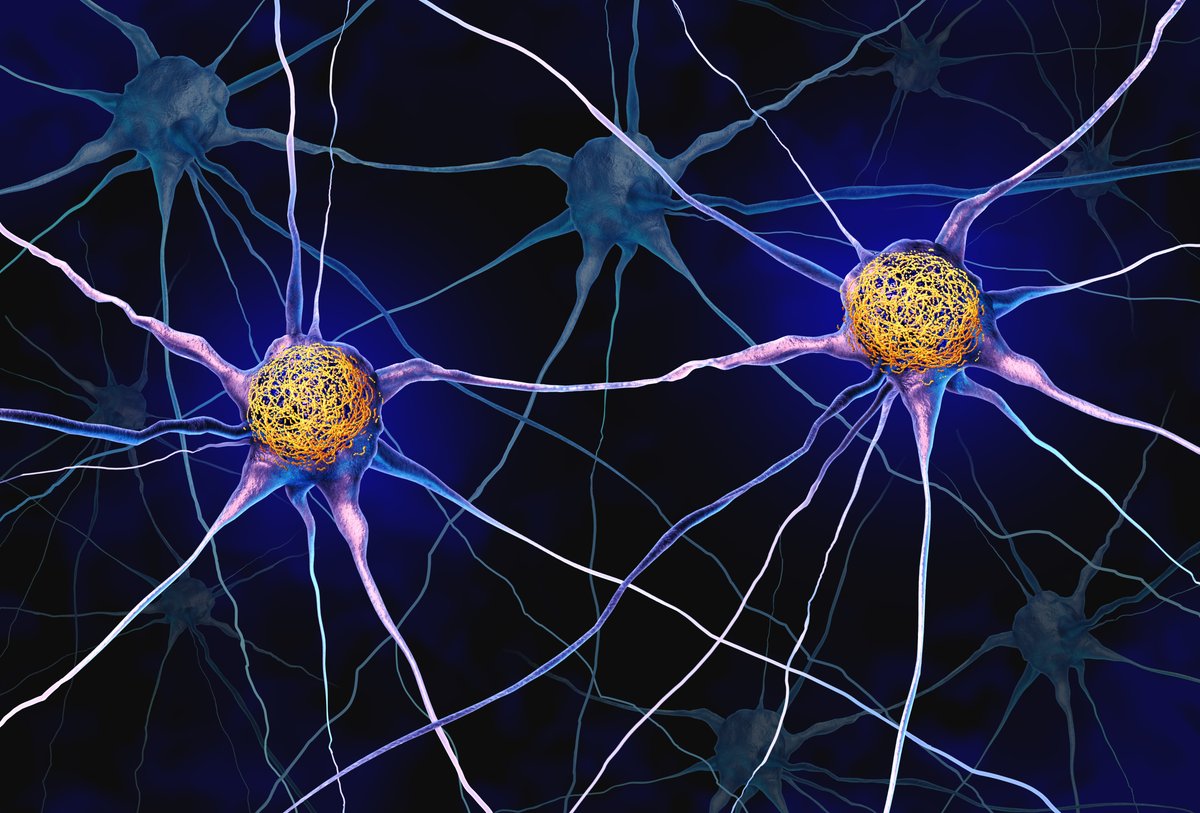
November 19, 20263 min read Add Us On GoogleAdd SciAmIf validated in larger trials, the test could help doctors diagnose the neurodegenerative disease before deathAn illustration of tau tangles. Lightspring/ShutterstockA first-of-its-kind blood test for chronic traumatic encephalopathy (CTE) may be just around the corner. Scientists say the new method, if validated in large studies, could help doctors spot and treat the disease, which has long been notoriously difficult to study and has only ever been diagnosed after death.CTE is a devastating neurodegenerative disease linked to repeated head trauma—including collisions in sports such as American football—and can cause mood swings, behavior changes, memory issues, and more. One of the challenges with studying CTE, however, is that it currently can only be diagnosed by autopsy after a person dies. That makes it difficult to know who has CTE—never mind how to treat it.That could soon change. In a new study published in the Journal of the American Medical Association on Thursday, researchers analyzed blood samples from 21 football players who donated their brains to science, 18 of whom were found to have varying stages of CTE after their deaths. The researchers determined that specific biomarkers found in their blood could identify the most severe CTE cases.On supporting science journalismIf you're enjoying this article, consider supporting our award-winning journalism by subscribing. By purchasing a subscription you are helping to ensure the future of impactful stories about the discoveries and ideas shaping our world today.The test is not approved by the U.S. Food and Drug Administration, cautions Michael Alosco, the study’s senior author and co-director of clinical research at the CTE Center at Boston University. And given the small sample size of the study, more research is needed to confirm the findings. But the results lay the groundwork for a blood test for CTE, he says.“If this finding holds up with future research, it opens up a lot of doors,” Alosco says. Researchers don’t know, for instance, how common CTE is in the general population—a test could help answer that question. It could also lead to better designed clinical trials to test therapeutics for CTE in living people, he says.“We still have more work to do before you can bring it back to patients,” Alosco says. “But it’s an exciting first step.”The test works by picking up on a biomarker for CTE related to specific protein clusters in the brain: Like Alzheimer’s disease, CTE is characterized by an “abnormality” in tau protein, Alosco explains. The protein “misfolds,” tangling and accumulating in brain cells. A biological signature, or biomarker—called endogenously cleaved microtubule-binding region tau, or eMTBR-tau—can help detect those tangles, he says.This biomarker is elevated in people with both CTE and Alzheimer’s, so further testing is needed to “detect and differentiate” between diseases, he adds. That’s where another biomarker, called p-tau217, comes in: it is known to “track closely” with Alzheimer’s—but not with CTE, Alosco says. In theory, a two-part blood test for both biomarkers could identify patients with CTE.The study comes days after the publication of another paper, also in JAMA, in which researchers using mass spectrometry found that eMTBR-tau was elevated in patients with severe cases of tau-related diseases, including Alzheimer’s and CTE.“It is a watershed moment for the field, demonstrating that fluid biomarkers can work in assisting diagnosis of CTE in the living,” says Michael Buckland, a clinical associate professor of pathology at the University of Sydney in Australia, who was not involved in either new study. “A confident CTE diagnosis in the living opens the door for clinical trials to start finding treatments for the disease.”“While there is still a long way to go before the test can be validated for clinical use, it is remarkable to see how fast the field is moving,” Buckland says.Subscribe to Support Independent JournalismGreat science journalism requires human expertise, time, effort and creativity. And it costs money. That’s why I and the journalists here at Scientific American hope you’ll join our community.When you subscribe, you are supporting staff and freelance journalists who are passionate about telling science stories that are true, important and compelling. Our editors and reporters are often experts in their fields, which means they understand the nuances of big discoveries and can untangle the breakthroughs from the hype. With a subscription, you are also supporting rigorous fact-checking to ensure the words we publish are precise and accurate. And you’re supporting original illustrations, graphics and photos that bring you closer to an advanced laboratory, an ice sheet in Antarctica or a space mission in orbit. You’re helping us craft other types of high-quality journalism as well: Our newsletters are carefully written, edited and curated by staffers you have or will come to know and love. Our Science Quickly podcast is based on original reporting, collaboration with editors and scientists and exacting production.Subscriptions keep this engine running so we can continue to deliver thoughtful, rigorous and independent science journalism to you. In an era of viral misinformation, this work is crucial. If you value what we do, I hope you’ll consider joining us as a subscriber
‘A watershed moment’: Researchers unveil first-of-its-kind blood test for CTE
Full Article
Original Source
Read the full article at Scientificamerican →KhanList aggregates and links to publicly available news content. We do not host full articles from third-party sources. Always verify important information with original sources.