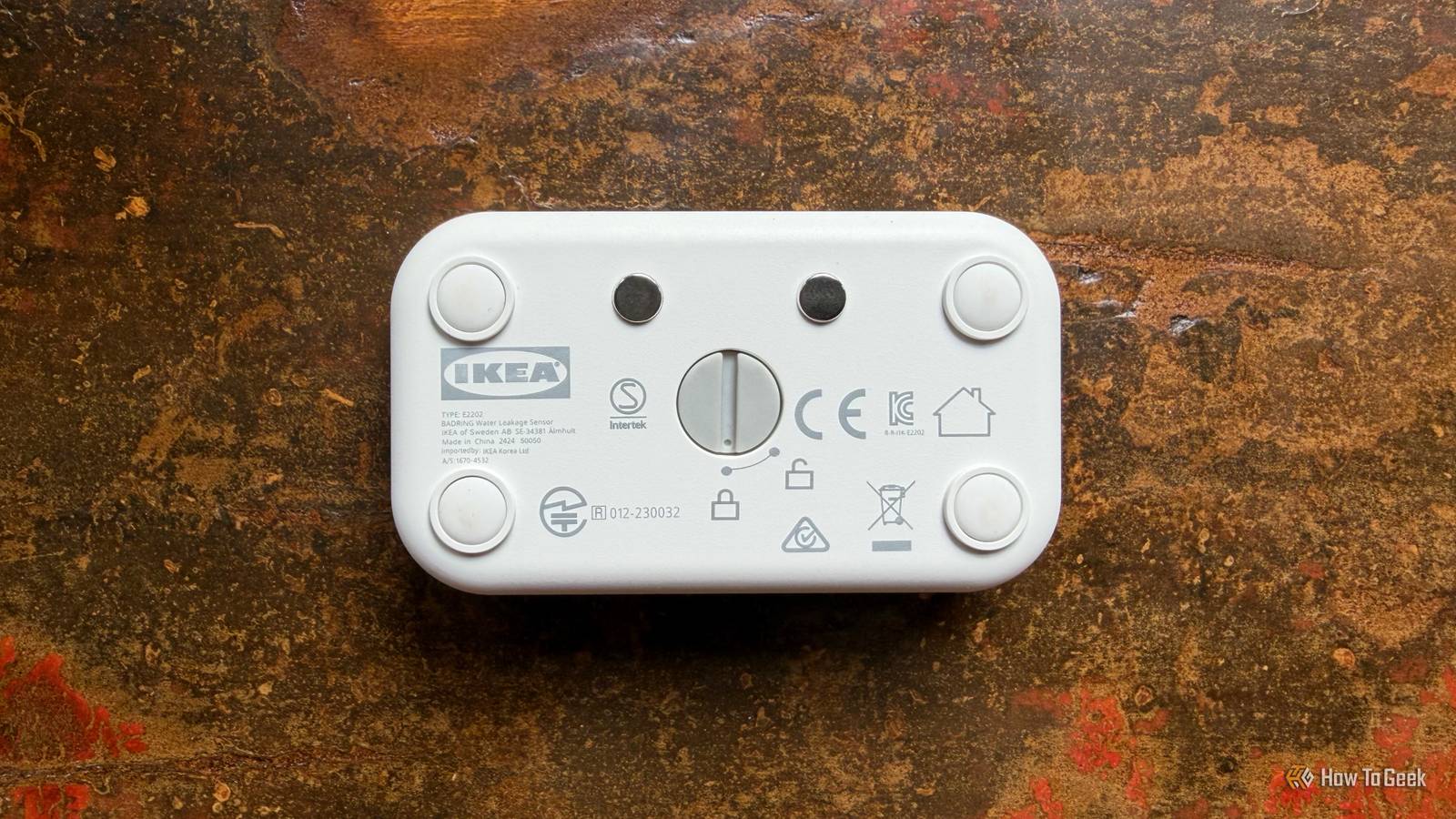
Published Jul 18, 2026, 7:00 AM EDT Tim has been covering technology for almost 20 years, in that time spanning a broad range of topics from security to product reviews. He is especially focused on the Apple ecosystem, productivity, and consumer advice. Over the years Tim has written thousands of articles, reviews, and round-ups in addition to producing video content and original photography. A graduate of journalism, he found his footing as a freelancer with a laptop and loves how he is able to work from practically anywhere. Now a Senior Editor for iPhone, Mac, and Smart Home at How-To Geek, Tim still loves to write. He can also be found crafting round-ups and productivity posts for the Zapier blog. Earlier in his career Tim spent nearly a decade as a writer and eventually Apple section editor for MakeUseOf. Tim currently lives in Brisbane, Australia. Outside of work he loves to hike and work out, play video games, and spend quality time with his wonderful partner and two cats Inka and Roger. Water leak sensors are the smart home upgrade for everyone. Whether you live in a house or apartment, own or rent, these tiny devices can save you money and hassle. As good as an alert is, a leak sensor can only go so far. Water leak sensors are essential but not perfect The best sensor you can buy Credit: Adam Davidson / How-To Geek Water leak sensors are very simple devices. Two contacts on the bottom of the sensor leave a gap in a circuit. When water is detected, the circuit is closed, and the water leak sensor is triggered. This can take the form of an audible alert, but it works best when connected to an existing smart home system. With your leak sensor plugged into a platform like Home Assistant, you can decide how you are notified. This might be a mobile alert, flashing lights, a siren on your smart speakers, or a voice assistant announcement. I get unmissable, jarring Apple Home “critical alerts” when my water leak sensors are activated, since I’ve mirrored my Home Assistant smart home in Apple’s platform. Assuming you know where your water shut-off valve is, a notification from a leak sensor should spring you into action. You can quickly turn off the supply and check for damage. Not all leaks will need this sort of response (roof leaks in particular), but a burst flexihose or a broken faucet can cause a lot of damage in a very short amount of time. So what happens when your water leak sensor sounds the alarm, and you’re not home? It’s no good knowing what’s going on at home when you’re miles away at work or overseas on vacation. Personally, I’d instantly go into panic mode. IKEA Klippbok water leak sensor Connectivity Matter over Thread Wi-Fi No This water leakage sensor keeps track of water leaks by beeping when it comes into contact with water – helping you make life at home smoother, more comfortable and safer. When connected to a hub, the sensor sends a notification to your smartphone with information about the water leak. The small size makes it easy to position under the sink, appliances or other places where a water leakage can occur. Smart shut-off valves and actuators offer real protection Whether you’re home or away The solution is to install a smart shut-off valve or actuator. These devices allow you to turn off the water using a connected smart home. You can send the command to turn your water on and off at will, as long as the actuator has power and your smart home server or hub is still up and running. Useful as this is, it’s far better to automate the whole process. You can tell your smart home platform to automatically close the water valve whenever a water leak sensor is triggered. You can get granular with this and ignore leak sensors that aren’t monitoring pipes (like the ones in your attic). As of yet, there’s no way to patch a hole in your roof remotely. Stopping a leak early is key to minimizing damage, and that’s exactly what these devices do. They also give you something that money can’t buy: peace of mind. If you’re often away, knowing that your home will take care of itself in the event of a leak is one less thing to worry about. Picking the right smart shut-off device In-line valves, actuators, and mesh networks Credit: Zooz There are two different types of smart water shut-off devices: in-line valves and actuators. In-line valves must be installed in-line with the water supply. This generally requires a plumber to come out, cut the pipe to suit, and add the device. They can be installed in conjunction with your existing cut-off, so you’ll have two. These devices can also act as flow monitors, allowing you to monitor water consumption and track water pressure. You can use this data to detect leaks, but you’ll need to install multiple flow monitors for accurate metering (otherwise, how would you tell the difference between someone running a deep bath and a pipe that has burst). The other is an actuator, which turns the existing water shut-off tap for you. These can be fitted on top of your existing shut-off valve in a matter of minutes, using a motor to move the tap between the on and off position. These are one-trick ponies, but they’re also cheaper and easier to install. Since these are designed to turn a tap, they can also be used to turn off gas supplies. Phyn Plus Phyn Plus uses patented, high-definition pressure wave analysis to alert you the second a leak is detected, mitigate costly damage through automatic water shutoff and teach you about your water use. In-line flow monitoring shut-off valves include the Phyn Plus ($580, above), while you can get an actuator from a name-brand like the Zooz Z-Wave Titan ($200, below). You can get much cheaper actuators on marketplaces like AliExpress for around $50, but whether you should trust a cheap device with such an important task is up for debate. Personally, I wouldn’t. Zooz Z-Wave Titan Shut your main water valve automatically when a leak is detected to prevent costly water damage. The Titan actuator installs over your ball valve and comes with a plug-in leak detector to monitor water presence around it. It will work offline with the probe connected directly to the Titan but the device works best when included to a compatible Z-Wave hub (sold separately) for full wireless functionality. The Zooz actuator in particular is notable for its use of the Z-Wave smart home mesh network. Wherever possible, use of a mesh network can add a layer of redundancy even when your Wi-Fi network isn’t working properly. Match your shut-off valve of choice with a mesh network you already use (like Zigbee). Make sure that you have enough room to install the actuator on your shut-off valve before you buy one of these devices. Looking for more sensors for your smart home? Check out multi-sensor devices that combine both infrared and mmWave.
A water leak sensor isn’t enough, protect your home properly with this upgrade
Full Article
📰 Original Source
Read full article at Howtogeek →KhanList aggregates and links to publicly available news content. We do not host full articles from third-party sources. Always verify important information with original sources.