
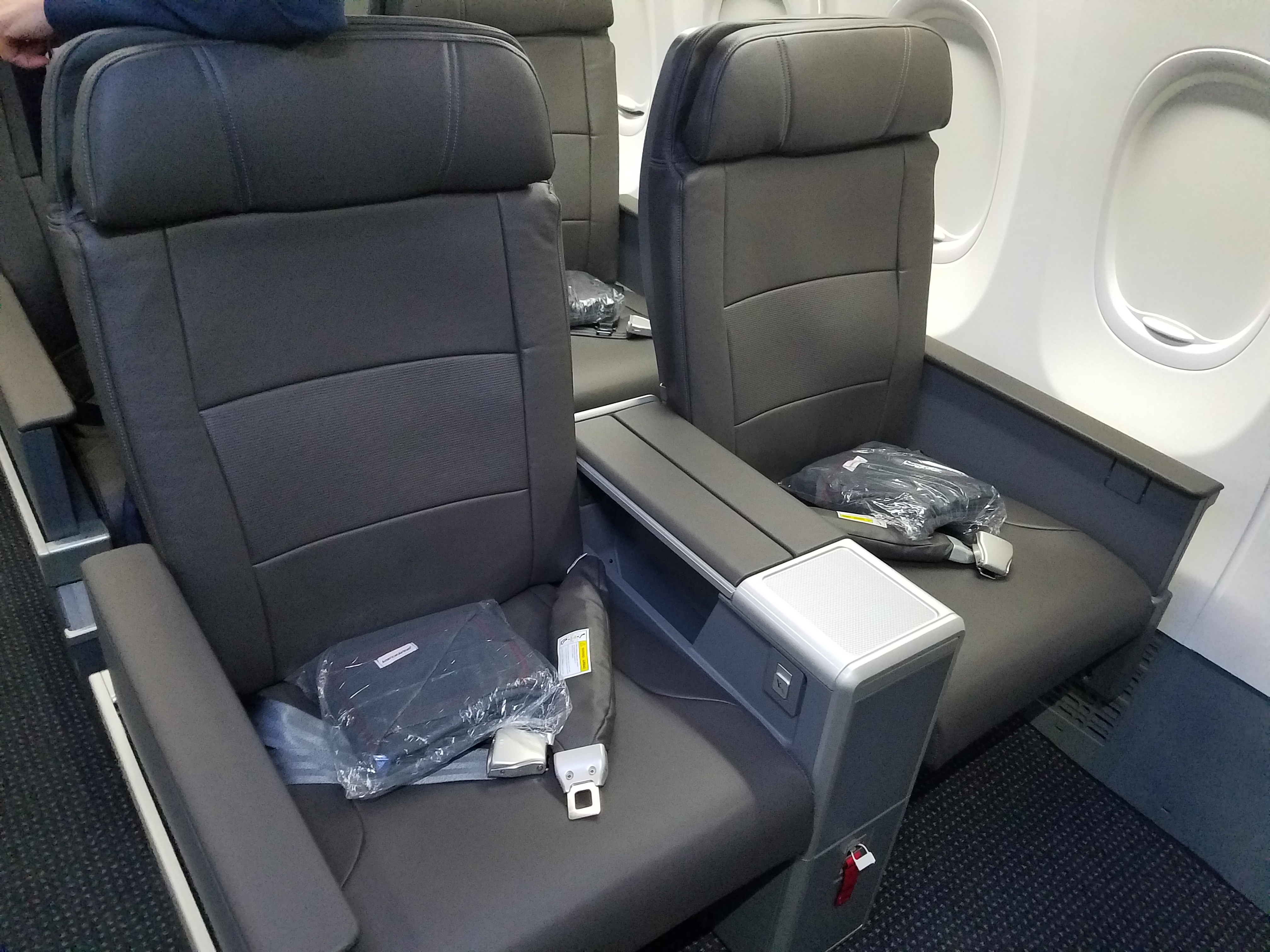
An American Airlines Executive Platinum status member took to twitter to complain that a flight they were taking the next day still had seats available, and American was offering first class to any passenger in coach for just $91, while ignoring their upgrade benefits. The AAdvantage program offers upgrades to those with Executive Platinum status starting 100 hours prior to departure (not 72 as this member mentions) but that is out of seats that the airline decides to make available at no charge. Here they’re looking for some amount of money from anyone – $91 from a once a year flyer rather than offering a complimentary upgrade to someone who may be generating $20,000 – $50,000 a year in ticket sales or the equivalent value in partner transactions like cobrand credit card spending. But what’s drawing reaction is American’s response, “Please delete this from public view.” We can understand why this feels frustrating. Your loyalty is genuinely appreciated, and we’re sorry this experience left you feeling overlooked. Please delete this from public view and join us in DM. @rawdbee We can understand why this feels frustrating. Your loyalty is genuinely appreciated, and we’re sorry this experience left you feeling overlooked. Please delete this from public view and join us in DM. — americanair (@AmericanAir) November 18, 2026 The important takeaway here is that upgrades are mostly dead, that this is generally true across major U.S. carriers, but hiding this isn’t the reason American Airlines asks this customer to delete their tweet. If this passenger is shocked by $91 upgrade offers, wait till they learn about American Airlines selling upgrades to infrequent customers for $40 (or Delta Delta doing it for $26) rather than honoring the promised complimentary benefit. And wait until they learn that pilots have priority over them too while deadheading. Of course American Airlines “genuinely appreciate[s]” a customer’s loyalty when they’re being given business by someone based on the promise of an upgrade benefit that they don’t actually need to deliver, selling their excess seats for tens of dollars rather than providing those seats the way they traditionally did as a perk for someone that’s provided tens of thousands of dollars of business. They appreciate the customer sticking around even when they’re no longer delivering the perks. Lest you think this is uniquely an American Airlines issue, not only have I seen Delta upsell seats for even less than American (on both domestic and long haul international routes), but United Airlines was equally a pioneer of the technique – they used to pitch infrequent flyers not just on the upgrade itself but that a paid upgrade would leapfrog them over a loyal customer. I imagine – though American failed to explain this – the reason they’d suggest removing the tweet is because the image of the passenger’s reservation includes the reservation number. A bad actor who sees it might use it to social engineer access to the booking and make changes. It’s not advisable to publicly post a “PNR” (passenger name record) on the internet even if probably nobody does anything with it. Airlines generally tell customers their status upgrades are no longer available on the cheapest (basic economy) fares. Frontier Airlines is introducing first class, but saying even their top Diamond members will only be eligible for complimentary upgrades if they spend extra by buying a bundle. Elites are asked to purchase a lottery ticket on top of their regular ticket for the change of an upgrade, in a game that’s rigged because the airline determines whether there’s a prize at all (narrator: there usually isn’t). My issue isn’t the airline’s right to make this decision that they value $40 from a one a year flyer over rewarding the loyalty of a $30,000 a year customer, or someone spending $200,000 or more on an airline’s credit card (though this may be unwise). Instead, it’s the disconnect between the airline’s marketing and what they now actually deliver. Airlines promise upgrades as a benefit of customer loyalty. For many decades they delivered this. Now they not only fail to deliver it the way they did in the past, that failure is intentional, traded for minor ducats from low value flyers. Earlier this year, American Airlines CEO Robert Isom spoke to investors and explained the strategy selling buy ups instead of giving out free upgrades in the same merchandising category as “pre-purchase bags, checked baggage.” Twenty years ago 90% of first class seats went to upgrades and awards. Ten years ago it was about half. Now only around 12% of seats are left for Delta SkyMiles elite members. And that means on many routes and flights there are no upgrades at all. The real effect of this is to make top status unappealing. It removes upgrades as the argument for status, and that used to be the main motivator. It’s mid-tier status that’s now the sweet spot: priority check-in (shorter lines with bags) priority boarding (overhead bin space) free checked bags extra legroom coach seat The value in being at the top of the list of flyers that do not clear for an upgrade is minimal. Still, the extra value in top status is not zero. I value being able to add an extra segment to an American Airlines itinerary as a backup when my flights are delayed, without having to make the decision to switch flights right away. For many flyers that’s pretty niche. For most it’s not worth chasing. Delta works to convince flyers that extra legroom economy seats are an upgrade (“The biggest trick the devil in Atlanta ever played was convincing flyers he doesn’t exist”). They even run an upgrade process to get into those seats. But that just reinforces the notion that status which is sufficient to get into these extra legroom seats is all you need to work to attain. The problem for airlines isn’t just that this reduces the incentive for their best customers to keep flying with them. It’s that elite members are the ones most likely to get and spend on their credit cards. And they’ve been leaning into status as the biggest reason for these customers to focus their spending this way. What I’d like to see is airlines return to offering meaningful benefits even in the face of monetizing unsold first class seats for tens of dollars to once a year customers. They could offer a discount on paid upgrades in lieu of complimentary upgrades. American Airlines will already discount their tickets, including award tickets, all day long – employees and family members can book ‘AA20’ fares for 20% off. Other airlines have similar programs. So offering upgrades at 20% off for elites could make real sense. Similarly, cobrand cardmembers at Delta and United get discounts on award redemption (at Delta this is really just charging non-cardmembers more). That model could be replicated with upgrades. They could bring back middle seat blocking on flights that aren’t full, keeping the seats next to top elite members empty until they’re actually needed at the gate. That’s easier to manage now that much of gate work is being automated. I use a $70 per hour rubric on whether it was worth paying to upgrade, though this is dependent on whether I think I’ll get the upgrade free, anyway (and the cheaper the upgrade, the more likely the airline thinks they won’t sell the seat) and what seat I already have (an exit row aisle makes me less likely to pay than a middle seat in back of regular coach). The truth is though that on a flight up to 1,500 miles I’m perfectly happy with an exit row aisle, secured with status. And I’ve been.. fine? First class gets me a bit of extra seat width, but the meal isn’t worth the buy up and I’m generally not day drinking on domestic flights. I plug in and focus on work for the full flight and barely notice my surroundings. Topics on this page
A Top Frequent Flyer Complained About American Airlines Selling Their Free Upgrade For $91—Gets Told To Delete Their Post
Full Article
Original Source
Read the full article at Viewfromthewing →KhanList aggregates and links to publicly available news content. We do not host full articles from third-party sources. Always verify important information with original sources.