
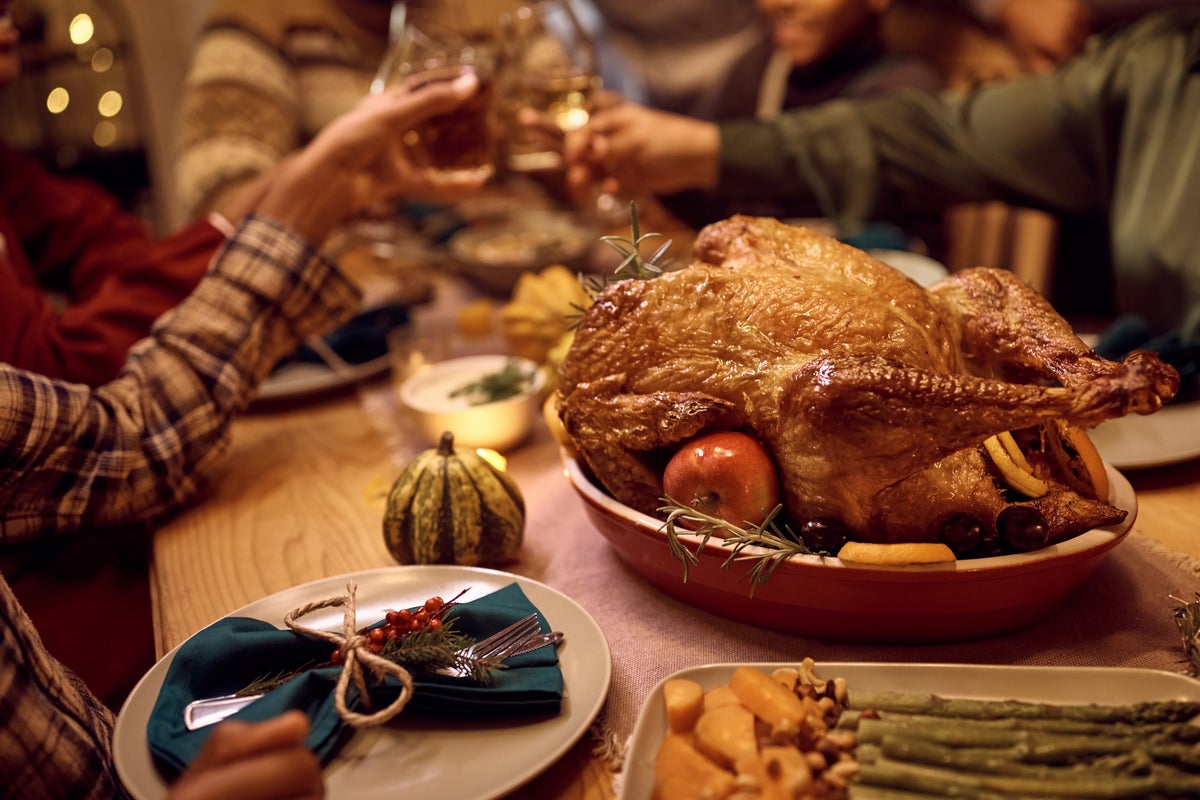
While Thanksgiving menus are a highlight, the celebratory meal often results in substantial food waste. Experts suggest that a little extra planning could significantly reduce this problem. In 2025, an estimated 320 million pounds (145 million kilograms) of food was projected to be discarded on Thanksgiving, according to ReFED, a non-profit tracking food waste. The organization attributed that number largely to over-preparation and uneaten leftovers.“That is essentially like five meals each for all of the food insecure people in the US,” said Yvette Cabrera, food waste director at Natural Resources Defense Council.While Thanksgiving menus are a highlight, the celebratory meal often results in substantial food waste (Getty/iStock)It is also a problem because most of that waste ends up in landfills, where it releases the potent planet-warming gas methane, according to the Environmental Protection Agency. But a lot of those emissions are avoidable.Here are some tips for a climate-smarter Thanksgiving meal without ditching tradition. Curbing waste starts at the storeChef and cookbook author Joel Gamoran, who focuses on cooking with food scraps, said the key to cutting Thanksgiving waste began before turning on the oven.He recommended a quarter pound of cooked turkey per person and about a fistful — or half a cup — of each side dish per person. Cabrera said the most wasted foods are typically turkey and dairy products such as milk or cream bought for recipes. When you're buying a whole bird, you should factor in the weight of the bones and giblets. The Natural Resources Defense council's food estimation tool recommended 0.75 pounds (0.34 kilograms) per person.Cabrera also recommended buying food in the grocery store that’s close to its expiration date, or produce that's misshapen or unattractive, because those are more likely to go unsold and be discarded. Cooking with common food scrapsLots of food gets wasted because home cooks don't think to use it.“It’s OK to make the whole bird,” Gamoran said. “But have a plan for how you’re going to take advantage of that later on. What are you going to do with the carcass, all that extra meat?”He said he liked to make turkey stock with the carcass by covering it in a pot with cold water, bringing it to a boil and then simmering it for two hours. You can fold that stock into mashed potatoes, use it to thicken soup, or freeze it for months.Gamoran said his favorite trick for the rest of the scraps was to use them like ingredients, not trash.Carrot tops can be used as a herb, like parsley or basil (Getty/iStock)“Carrot tops are like an herb,” he said. “You can treat it like basil or parsley and make a really beautiful pesto out of it, and then put them in ice cube trays to freeze them. Those go really nice in stir-fries and salads and soups.” He would also roast butternut squash shells, cover them with vinegar and strain them out after a day for a rich umami vinegar that can be used in cooking.Potato skins can be tossed in oil and paprika, air-fried, and turned into potato chips or croutons. Onion peels can be dried in the oven at 200 degrees Fahrenheit (94 degrees Celsius) for 20 minutes, then ground in the food processor for homemade onion powder. This method also works with garlic skins.Getting creative with leftoversFor many, leftovers are one of the perks of hosting Thanksgiving. They can also be given a second life. Gamoran said mashed potatoes could be transformed into breakfast foods like waffles and pancakes, or you could make potato bread by adding flour and yeast.If you get sick of sliced turkey, Gamoran recommended using the leftover meat for meatballs or patties by chopping it in a food processor, adding an egg and then baking it.If you want to get really creative, pumpkin pie can be made into a savory curry by adding sautéed onions and spices. And cranberry sauce can be added to smoothies, or even ketchup and mustard for a tangy twist. If it sounds overwhelming to launch into new recipes just after the holiday, Cabrera recommends freezing leftovers. She said it's important to create space in the freezer before Thanksgiving starts. Home-cooked food doesn't come with easy expiration dates. Cabrera said that's what your senses are for.“Smell it, look at it, inspect it, maybe taste a little bit to make sure it’s good to eat,” she said.There are some scraps, such as eggshells, that just don't have much culinary value. And if, despite all your best efforts, the green bean casserole in the back of the fridge goes bad, there's still one final move to keep it out of the landfill: composting."Having a plan for what you’re going to do with anything that’s not able to be eaten is going to be really critical to reducing those kind of end-of-life emissions on food that you couldn’t eat," she said.
A staggering amount of food goes to waste at Thanksgiving. Here’s how to cut down
Full Article
Original Source
Read the full article at Independent →KhanList aggregates and links to publicly available news content. We do not host full articles from third-party sources. Always verify important information with original sources.