
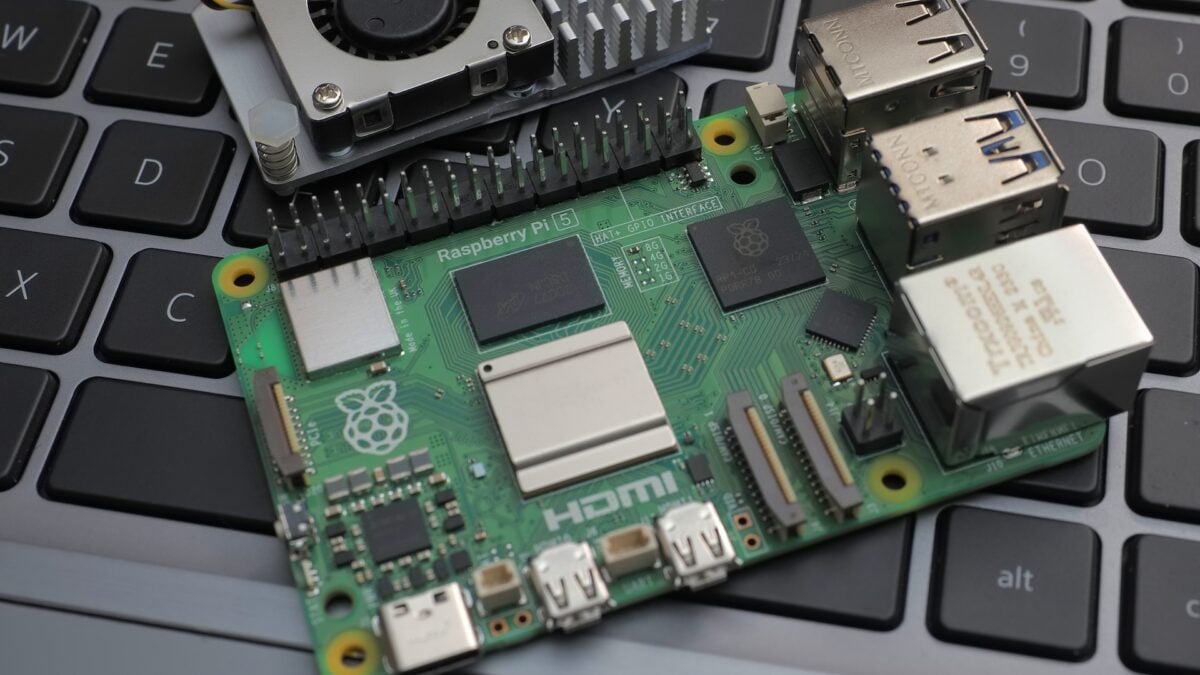
The beloved Raspberry Pi small-scale was never meant to cost this much. But after multiple price hikes, including an $80 increase announced today, the 16GB RAM model of the Raspberry Pi 5 now costs $385. If you’re hungry for some depressing RAM-driven sticker shock, that’s more than triple the $120 this same configuration cost when it launched in January 2025. Is this the worst timeline? It’s certainly not the best. CEO Eben Upton blamed “a lack of alternative supply for 16GB DRAM, compounded by other ongoing component shortages” for the latest price hike in a blog post published Monday. Alongside the $80 price increase for the Raspberry Pi, the SBC (single-board computer) maker added that it will raise the cost of 16GB Raspberry Pi Compute Module 5 variants by $40. Upton said the company would hold steady on other 16GB systems such as its Raspberry Pi 500+ keyboard computer. Upton, who has had to write too many of these price-hike blog posts in the last year, called the latest decision “unavoidable.” To understand why, you have to look at the kinds of deals the major memory makers have been drafting lately. There are three major producers of DRAM, or dynamic random access memory: Samsung, Micron, and SK Hynix. In its last few quarterly earnings reports, Micron has talked up multiyear contracts it has inked with major tech brands. And there is no relief to be found among the competition. Nascent Chinese memory makers, including CXMT, have strayed from making deals with the largest gadget brands, including Apple. Instead, they are focused on producing high-bandwidth memory, or HBM, to fuel China’s AI buildout, despite reportedly low manufacturing yields. What’s most depressing about this Raspberry Pi news, then, is that it’s a stark reminder that memory prices are unlikely to improve next year. Moreover, the obscene price of memory, combined with the “cartel”-like activities of memory manufacturers, will affect smaller players more than it will major gadget companies. This is especially problematic for companies like Raspberry Pi that have historically prized affordability and customizability above all else. The ongoing memory pricing crisis, often referred to as “RAMageddon,” is being driven by the push to produce HBM for AI hyperscalers, which is inundating small towns throughout the United States. This demand for consumer-end memory has driven up the prices of practically every gadget from the largest tech manufacturers. But in the end, the smallest companies are the casualties of ruined memory supply chains. Multiple heads of smaller gadget companies have told me that the price of mere megabytes of memory has increased by a factor of six. Upton reiterated, in his post, that the memory crunch is “only temporary.” But with ongoing memory contracts controlling the largest conglomerates’ prices, it doesn’t seem that smaller brands have much power to negotiate. Just last week, SK Hynix said in its latest quarterly earnings report that RAM demand will outstrip supply through to 2030. That memory maker’s long-term agreements have already covered more than half of its planned production from 2027 into 2028. While these semiconductor companies make bank, the little guy—along with his loyal consumers—gets screwed over the most.
A Raspberry Pi Just Got 26% Pricier. You Should Be Worried
Full Article
Original Source
Read the full article at Gizmodo →KhanList aggregates and links to publicly available news content. We do not host full articles from third-party sources. Always verify important information with original sources.