
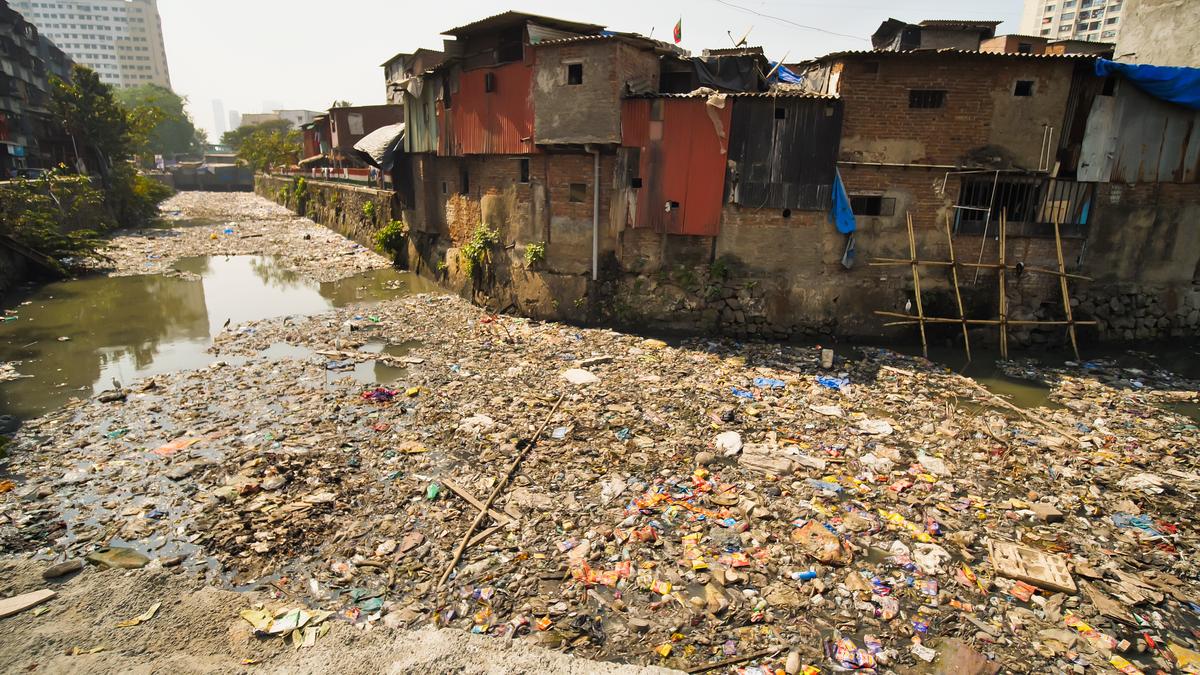
‘Multidimensional poverty has also gained prominence, and become a big part of the conversation, since consumption alone clearly misses part of the picture’ | Photo Credit: Getty Images/iStockphoto There is no serious doubt that poverty in India has fallen sharply over the past decade. However, researchers and policymakers cannot agree on how many are still poor. Depending on the estimate, the share ranges from about 5% to more than 26%. Take the recent World Bank report. At its international line of $3 a day (2021 PPP), 2.6% of Indians were poor in 2022-23. Raise the line to $4.20, the bank’s benchmark for lower middle-income countries, and the figure jumps to around 16.1%. Same country, same year. Only the yardstick changed. A low level of extreme poverty does not necessarily mean poverty is not still a major issue. Where you draw the line decides how much economic insecurity you see.India’s own figures tell a similar convoluted story. For example, SBI Research (2025) takes the Tendulkar line of 2009, adjusts it for inflation, and gets poverty of 7.2% in rural India and 4.6% in urban India for 2022-23. Rangarajan and Dev (2014), using an inflation-adjusted version of the Rangarajan Committee line, arrive at 10.8%. Further, Sethu, Surya and Ruthu (2024), who rebuild the Rangarajan method from the latest consumption survey, report 26.4%. Most of that gap boils down to the lines themselves: SBI’s Tendulkar-based lines use, after adjusting for inflation, about ₹1,632 a month per person in rural areas and ₹1,944 in urban areas. In contrast, Sethu et al. use much higher thresholds of ₹2,515 and ₹3,639. And the outcomes are obvious: Higher lines, higher poverty. Method matters too. One camp takes an old line and adjusts it for inflation. The other reconstructs the line from spending patterns in the new survey. Both have limitations, and they are answering different questions. Published - November 17, 2026 01:07 am IST
A poverty line that falls short
Full Article
Original Source
Read the full article at Thehindu →KhanList aggregates and links to publicly available news content. We do not host full articles from third-party sources. Always verify important information with original sources.