
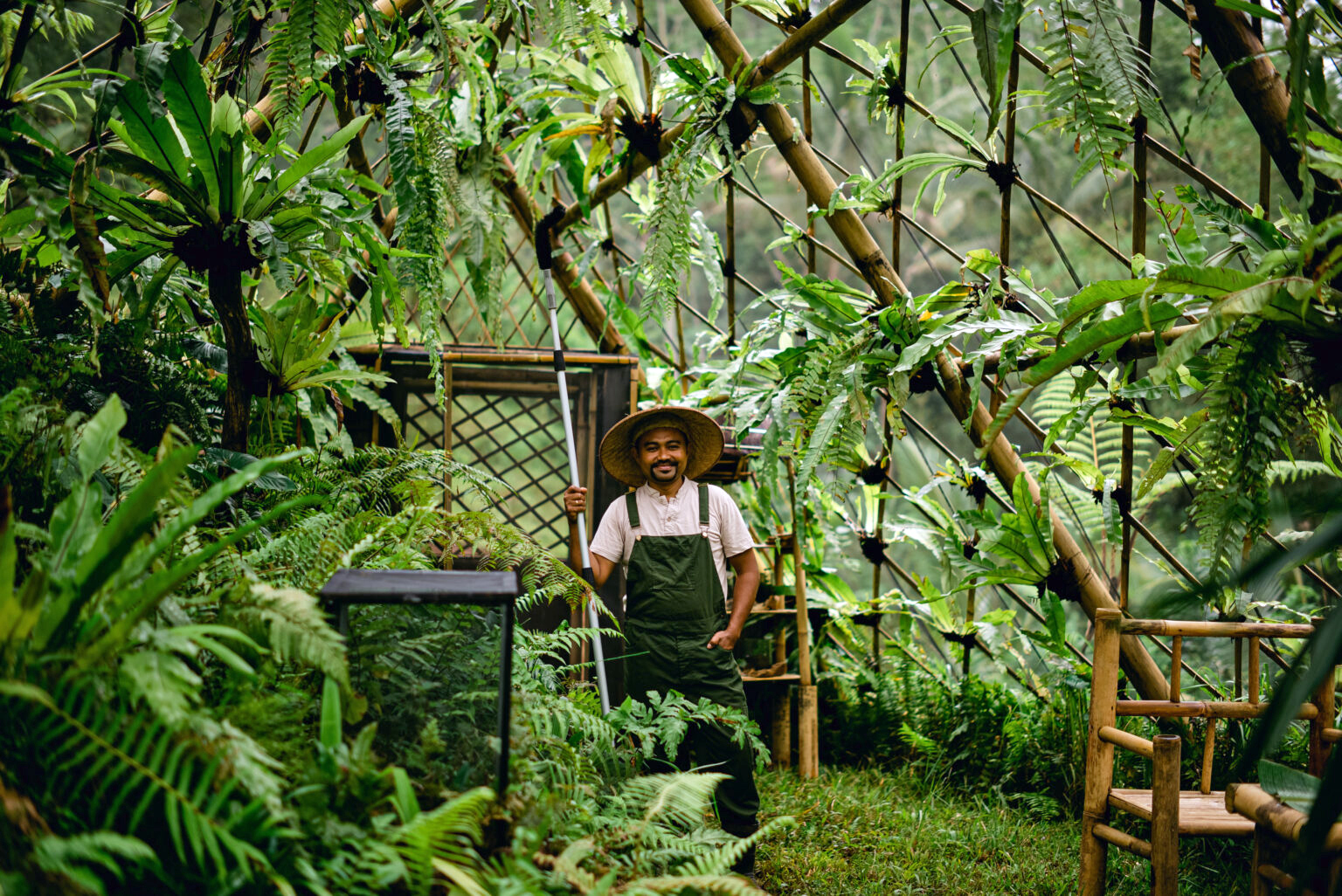
Four decades ago, Wayan Wardika says, clouds of fireflies would illuminate the night sky above the rice fields of his native village in Bali, Indonesia. Today, the insects have virtually disappeared from here due to rapid land development, light pollution, habitat degradation, and heavy use of agricultural pesticides, reports contributor Rizky Maulana Yanuar and Mongabay’s Sam Lee in a video. Across Southeast Asia, at least four firefly species are nearing extinction. Beyond their cultural importance, fireflies serve as critical bioindicators of environmental health, act as plant pollinators, and control agricultural pests by preying on crop-destroying snails. To reverse the fireflies’ decline, Wardika founded Bring Back the Light in 2020 on his family farm in Taro, Bali, establishing Indonesia’s only firefly conservation program. Lead scientist Cindy Chayani works alongside a specialized research team to oversee a captive-breeding program designed to rewild native populations. In custom terrariums engineered to replicate natural jungle and wetland habitats, scientists nurture firefly larvae for up to two years. Then they release roughly 90% of the adult insects into the wild. “We designed their mating terrariums to mimic their natural habitat,” Chayani says in the video. “This is so they hopefully feel comfortable and produce more eggs.” The program has released nearly 20,000 larvae and adults, resulting in a gradual recovery of local firefly counts. But Wardika acknowledges that breeding fireflies alone won’t ensure long-term survival without healthy habitats. “If we don’t see fireflies, there is something wrong with the ecosystem,” he says, adding that his goal has expanded to not only protect and save the fireflies, but also regenerate the ecosystem. To eliminate toxic agricultural runoff, Wardika began collecting manure from a local facility that hosts white cows, revered as sacred in Balinese Hinduism, and processing it into organic compost. He also developed an organic pesticide concoction, known as an eco-enzyme, crafted from market food waste. To build a pesticide-free sanctuary across the region, Wardika is working to transition 35 neighboring farmers to chemical-free agriculture. To lower adoption barriers, his initiative provides organic fertilizers and eco-enzymes for free, while reimbursing farmers for any financial losses during the transition. He funds these efforts through firefly ecotourism visits and sales of organic farm produce. Four local farmers have adopted the system so far, including Pak Nyoman. “In the past, who took care of the fireflies? No one! But now they are considered important,” Nyoman says in the video. For Wardika, restoring fireflies represents a broader commitment. “We maintain the sustainability of nature, not just for our generation, bur for our future generation.” Watch the video by Sam Lee and Rizky Maulana Yanuar here. Banner image: Conservationist Wayan Wardika in the farm. Image courtesy of Bring Back the Light. Credits Topics
A plan to save Bali’s vanishing fireflies takes root in organic farming
Full Article
Original Source
Read the full article at News →KhanList aggregates and links to publicly available news content. We do not host full articles from third-party sources. Always verify important information with original sources.