
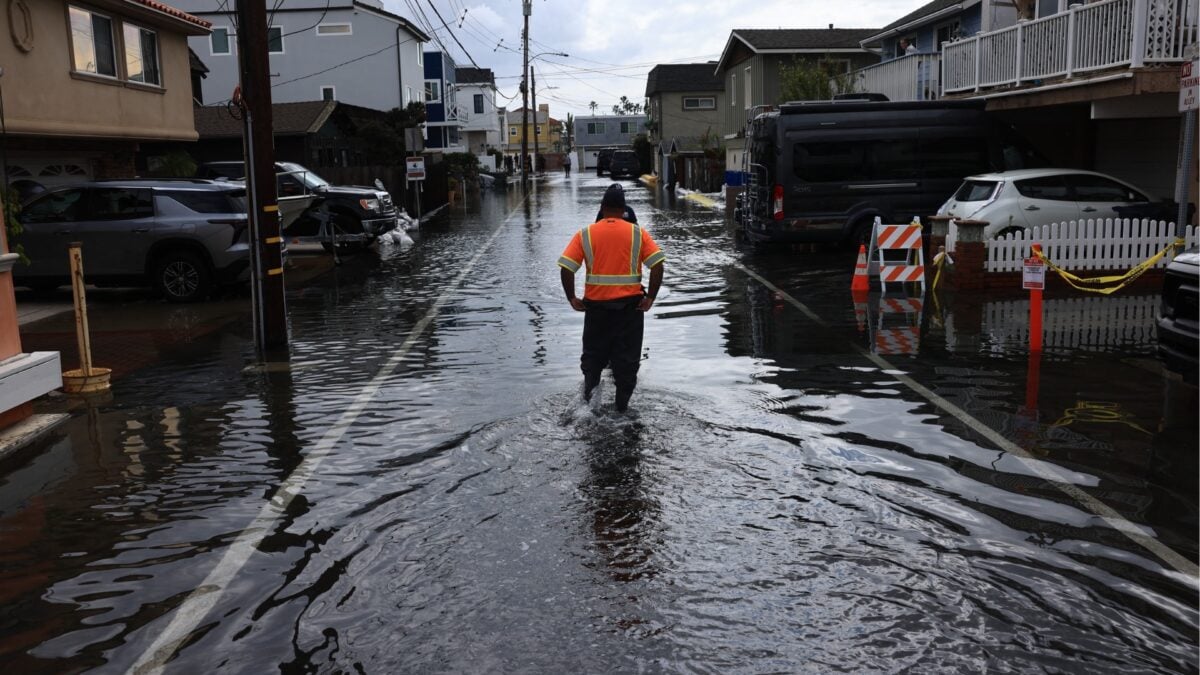
As El Niño intensifies toward a record-breaking peak, the world is bracing for weather impacts that could send shockwaves through the global economy. But how will this climatic phenomenon affect industries, prices, and employment here in the United States? Answering this question is complicated. Uncertainty surrounding El Niño’s expected weather impacts makes its economic consequences difficult to predict. Economists must also account for impacts overseas, which could affect the U.S. through global supply chains, commodity markets, and international trade. And because this El Niño is shaping up to be stronger than any seen before, there are few historical precedents to help economists anticipate its effects. With that said, experts can make well-informed predictions based on the best available forecasts and data from previous El Niño years. Here’s what they believe the U.S. can expect in 2027. El Niño could raise prices in 2027 In a recently published report, the Federal Reserve Bank of San Francisco (FRBSF) used data on past El Niños since the 1950s to gauge the potential economic impacts of the current event. Analysts looked at 22 El Niños, only four of which were very strong. While the data is admittedly limited, this is the most comprehensive available dataset for evaluating the relationship between El Niño and the U.S. economy. The FRBSF analysis suggests El Niño may have already caused a 0.3 percentage point bump in price levels, which is consistent with previous events. El Niño has historically driven up prices during the first summer of each event, and the boost typically reverses by the following January. Indeed, analysts expect the current price level increase to resolve by the end of the year. However, a transition from El Niño to La Niña could lead to additional price pressures in 2027. In that scenario, the analysts estimate that the U.S. could see a 1 percentage point net increase in consumer prices over the course of the year, primarily affecting the cost of core services and food. “El Niño could put upward pressure on prices through disrupted food production, transportation problems, and higher costs for some inputs,” Pallab Mozumder, an associate professor of environmental economics at Florida International University, told Gizmodo in an email. “Those pressures can originate overseas as well as within the United States. However, milder weather can reduce heating demand, providing an offset.” Mozumder emphasized the difference between a temporary price increase and persistently higher inflation, but he noted that even short-term bumps in essential expenses can create hardship. “Families with limited savings have less room to absorb higher food costs alongside lost work or unexpected repairs,” he said. Industries will see both costs and benefits Sectors that are heavily influenced by weather—such as agriculture, fisheries, energy, transportation, construction, and insurance—will feel El Niño’s effects most directly. But those effects won’t be negative across the board. Even within individual industries, there will be both costs and benefits associated with El Niño-driven weather phenomena. Every El Niño unfolds differently, but historically, it tilts the odds toward a drier, warmer winter in the northern tier of the U.S. and a wetter, colder winter in the southern tier. A warmer winter can increase productivity in construction and agriculture while hurting snow-dependent tourism. Milder temperatures also reduce the need for heating, meaning less business for some energy suppliers but lower expenses for ratepayers. “One thing to keep in mind when it comes to energy prices is that mild temperatures directly reduce demand, but prices also depend on inventories, production, pipelines, and international markets,” Tom Corringham, a research economist at the University of California San Diego’s Scripps Institution of Oceanography, told Gizmodo in an email. “That’s especially important to remember this winter.” Increased rainfall can improve water availability for hydropower and agriculture, but flooding can also drown crops and erode fertile topsoil, disrupting food supplies and prices. The construction industry can see similarly conflicting effects—heavier rain may slow productivity while also increasing demand due to flood damages. “I would be cautious about describing an entire sector as a winner or loser,” Mozumder said. “The benefits and costs can unevenly fall on different people and places.” Disasters drive economic losses El Niño-driven weather disasters can generate significant costs for the United States. The current event hasn’t even peaked, and we’re already seeing catastrophic flooding in California and Florida. Corringham’s previous research has shown that flood damages in Southern California are historically 10 times greater in El Niño winters than in La Niña winters. Specific extreme weather outcomes are never guaranteed, but “if the past is any guide, we do expect higher flood damages in the southwestern United States this winter,” he said. El Niño amplifies the Pacific jet stream and shifts it south of its neutral position. The jet stream blows west to east over the U.S., acting like a conveyor belt that carries waterlogged Pacific storms toward Florida. This increases the risk of flooding and storm damage across the southern tier in winter. Heading into the warmer months, El Niño can exacerbate the risk of drought and wildfire in the northern tier, particularly in the Northwest. However, the economic consequences of extreme weather will depend heavily on the affected region’s development, infrastructure conditions, and dependence on distant suppliers, according to Mozumder. At the same time, better forecasts and preparation can reduce losses. He cautions against assuming El Niño will lead to an increase in weather-related damages without accounting for these factors. It’s also important to consider the fact that this El Niño is unfolding against the backdrop of human-driven climate change. “As we have destabilized our global climate system with the burning of fossil fuels, historical patterns are a less reliable guide to what to expect in the future,” Corringham said. “I’d be particularly cautious about making confident predictions about the economic consequences of this year’s El Niño.” The U.S. won’t fully grasp the economic fallout from this event until it’s over. Ultimately, the consequences will not only depend on the severity of El Niño’s weather impacts here, but also on its effects abroad, the nation’s disaster preparedness, and how well communities, businesses, and supply chains can withstand and recover from disruptions.
A Historic El Niño Has Arrived. Here’s What it Means for US Prices
Full Article
Original Source
Read the full article at Gizmodo →KhanList aggregates and links to publicly available news content. We do not host full articles from third-party sources. Always verify important information with original sources.