
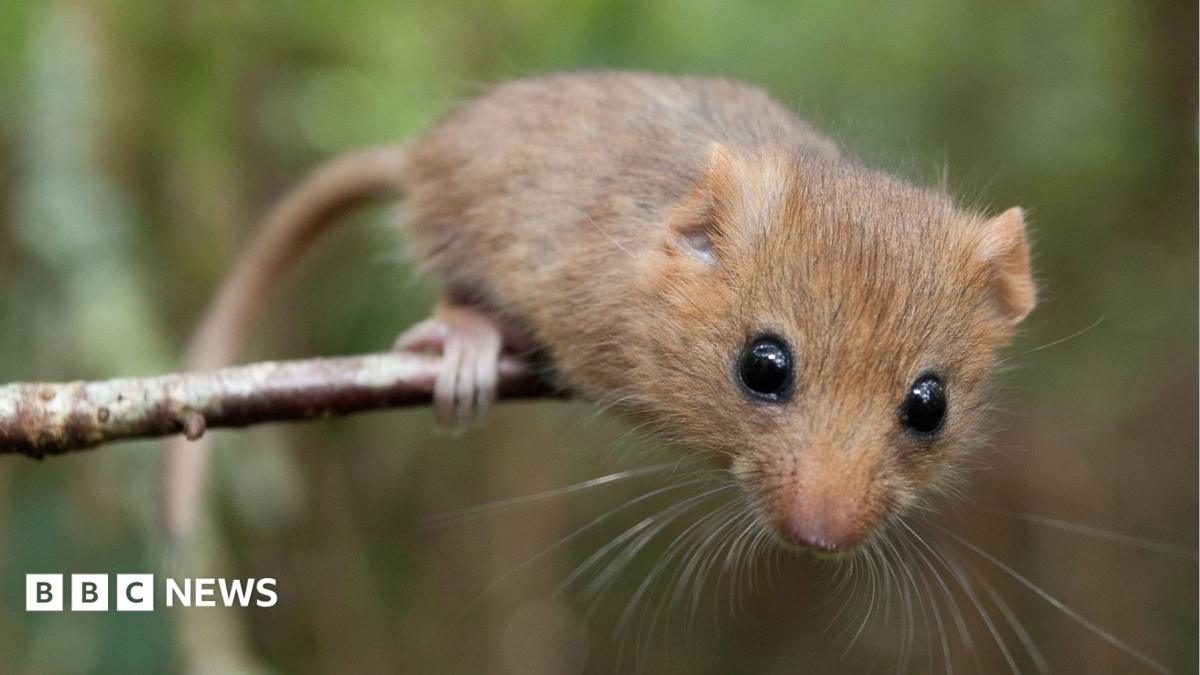
But conservationists caution that many questions remain unanswered, and say protecting the woodlands and hedgerows where dormice live remains essential to their long-term survival.The only species of dormice in the UK is the hazel dormouse. Once widespread across the country, they are now largely confined to southern England and parts of Wales. They have become much rarer as large areas of woodland are lost and so far native populations have disappeared from around 20 English counties.The National Dormouse Monitoring Programme, led by the conservation charity People's Trust for Endangered Species (PTES), has been monitoring sites in England and Wales since 1998. It found that since 2000, dormouse numbers have fallen by almost 60%, equivalent to an average annual decline of 3.5%. More recently, however, there are signs that trend may be reversing. The data suggests the population increased by almost 10% between 2020 and 2025, although researchers stress there is considerable uncertainty around that estimate.The apparent improvement coincides with a period of warmer, drier-than-average springs and summers. Report co-author Ian White of PTES described the "upturn" as "welcome good news" which gives grounds for "cautious optimism".But he added: "We mustn't lose sight of the bigger picture: populations remain almost 60% lower than they were in 2000." The hazel dormouse is famous for spending much of the year asleep. It hibernates from around October to May, spending the winter in a nest on the ground. Even during spring and summer, dormice can go into short periods of deep sleep, known as torpor, when the weather is cold and wet, or food is scarce. This helps the small rodent conserve energy.Researchers believe warmer summers may be reducing the need for torpor, leaving dormice with more energy for feeding and breeding.They say more research is needed to understand what longer-term impacts climate change could have on the species.Dr Charlotte Armitage, an ecologist who worked on the survey, said significant uncertainties remain, including how dormice will respond to warmer, wetter winters.However, she said warmer summer conditions are likely to give the animals more energy to reproduce and raise additional litters."This is good news, but we can't be complacent," she told BBC News."We still need to protect their habitat, do more research into the effects of climate change and carry out effective woodland management for the benefit of dormice."
A glimmer of good news for Britain's sleepy dormouse
Full Article
Original Source
Read the full article at Bbc →KhanList aggregates and links to publicly available news content. We do not host full articles from third-party sources. Always verify important information with original sources.