
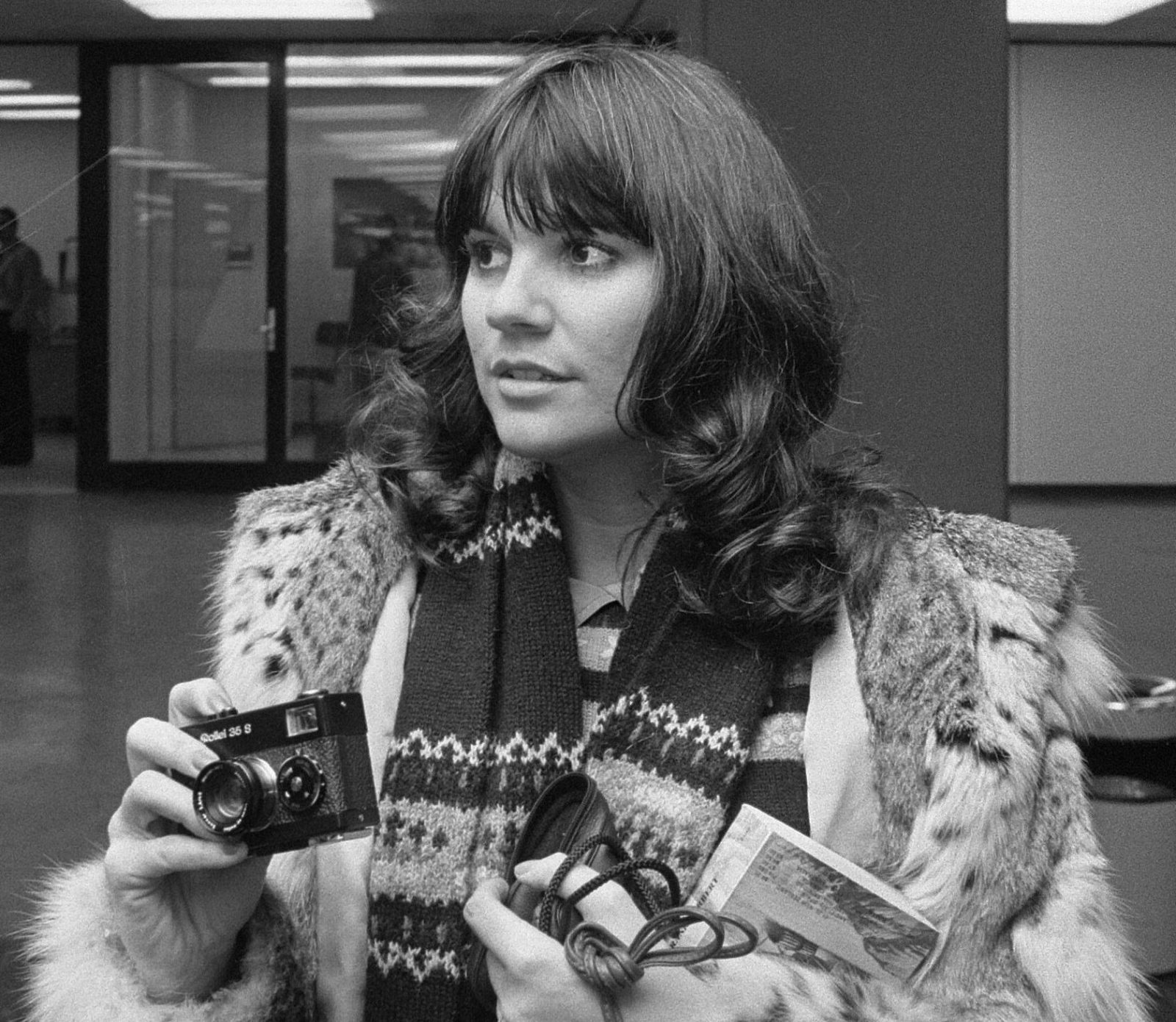
Call out “Linda” on a 1950s playground, and you’d better be specific about which one you meant. Odds were good that more than one girl would look up. For a generation of American women now in their 70s, sharing a first name with half the neighborhood was simply part of growing up. Linda was the most popular name for baby girls in the United States from 1947 through 1952, according to the Social Security Administration. In 1947 alone, 99,692 newborn girls were given the name. That works out to about 1 in every 18 girls born that year. Today, the top spot belongs to Olivia, which has led the girls’ list for seven straight years. In 2025, 13,544 baby girls were named Olivia. That sounds like a crowd, but it comes to roughly 1 in 130 girls. At its peak, Linda was about seven times as common as America’s most popular girls’ name is today. Roll call looked very different A typical classroom of 30 kids has about 15 girls. Based on the odds in 1947, that works out to nearly one Linda per classroom. A grade school with 250 girls born during Linda’s run at No. 1 could expect roughly a dozen Lindas. The same school today would have about two Olivias. Parents also choose from a much wider variety of names today. In 1950, the 10 most popular girls’ names accounted for more than 1 in 5 baby girls. By 2025, the entire top 10 combined accounted for only about 6% of girls. In 1947, Linda nearly matched that all by herself. Meanwhile, the name that once filled classrooms has nearly vanished from nurseries. Only 294 baby girls were named Linda in 2025, putting it at No. 902. That’s roughly 1 in 6,000 girls. A hit song gave the name a lift Linda bumped Mary from the top spot in 1947. Mary had led the girls’ list every year since Social Security’s baby-name records began in 1880, so this was no small upset. It didn’t hurt that Linda means “pretty” in Spanish and Portuguese. Linda had been climbing since the 1930s, but 1947 was something else entirely. The number of baby Lindas jumped by nearly 47,000 in a single year—the largest one-year increase for any girls’ name on record, according to an analysis of Social Security data by Nancy’s Baby Names. A popular song gave the name a boost. Songwriter Jack Lawrence wrote “Linda” for the young daughter of his attorney, Lee Eastman. A recording by Ray Noble’s orchestra, featuring Buddy Clark on vocals, reached No. 1 in 1947—the same year Linda topped the baby name charts. The little girl behind the song grew up to become photographer Linda McCartney, who married Paul McCartney in 1969. In a 1998 interview with NPR, Lawrence recalled writing the song to settle a debt he owed Eastman. Names that rise fast tend to fall fast Linda’s slide started almost as soon as it peaked. By 1956, the yearly count had dropped by more than half, to 48,192. By 1964, that number had fallen to 23,725. That arc fits a pattern researchers have documented. In a 2009 study published in the Proceedings of the National Academy of Sciences, Wharton marketing professor Jonah Berger and Universitat Pompeu Fabra economist Gaël Le Mens analyzed more than 100 years of first-name data from the U.S. and France. Names that caught on quickly also faded quickly, while those that gained popularity more gradually stuck around longer. The same researchers surveyed expectant parents and found that they shied away from names that had recently surged in popularity, worried those names would turn out to be short-lived fads. That caution helps make the fear come true. Harvard University sociologist Stanley Lieberson explored the same puzzle in his 2000 book A Matter of Taste, which describes “internal taste mechanisms” that keep preferences evolving even when society itself isn’t changing much. Every generation had its own Linda Ask anyone which name was everywhere when they were in school, and they can usually answer in a second. It’s the name that filled every attendance sheet and followed a whole crop of kids from kindergarten straight through graduation. For Baby Boomers, that name was Linda. For their children, it was Jennifer. And for anyone who grew up in the 1990s, chances are they knew more than one Jessica or Ashley. Jennifer ruled the baby-name charts from 1970 to 1984, peaking in 1972 when 63,600 baby girls were given the name. By then, Linda had already passed the torch to a new generation of girls growing up with a name that seemed to be everywhere. Then came the ’80s and ’90s. Jessica took over in 1985, with Ashley close behind. Anyone who remembers those school years might recall hallways full of Jessicas and Ashleys, or the familiar scramble to figure out which one the teacher was calling. Jessica topped the charts for most of the years between 1985 and 1995, while Ashley claimed the No. 1 spot in 1991 and 1992. By 2005, Emily had taken over, with 23,950 baby girls given the name that year. Those names have followed Linda’s path downward. In 2025, only 501 baby girls were named Jennifer, putting it at No. 586. Jessica fell to No. 665, with 424 births. Ashley has held on better at No. 164, but that’s a long way from 1987, when 54,856 baby girls were given the name. Plenty of vintage names have since found new life. Evelyn, a favorite in the early 1900s, ranked No. 8 among girls’ names in 2025. Linda hasn’t had its comeback yet, but there are still plenty of Lindas out there. Social Security records show that nearly 1.46 million girls have been given the name since 1880, with the biggest wave born between 1947 and 1952. Somewhere right now, a retirement party is being planned for a Linda, and there’s a good chance another Linda is on the guest list. If the name ever makes a comeback, the next little Linda may finally get to answer roll call alone.
A girl named Linda used to turn around in class and find half the room turning with her
Full Article
Original Source
Read the full article at Upworthy →KhanList aggregates and links to publicly available news content. We do not host full articles from third-party sources. Always verify important information with original sources.