
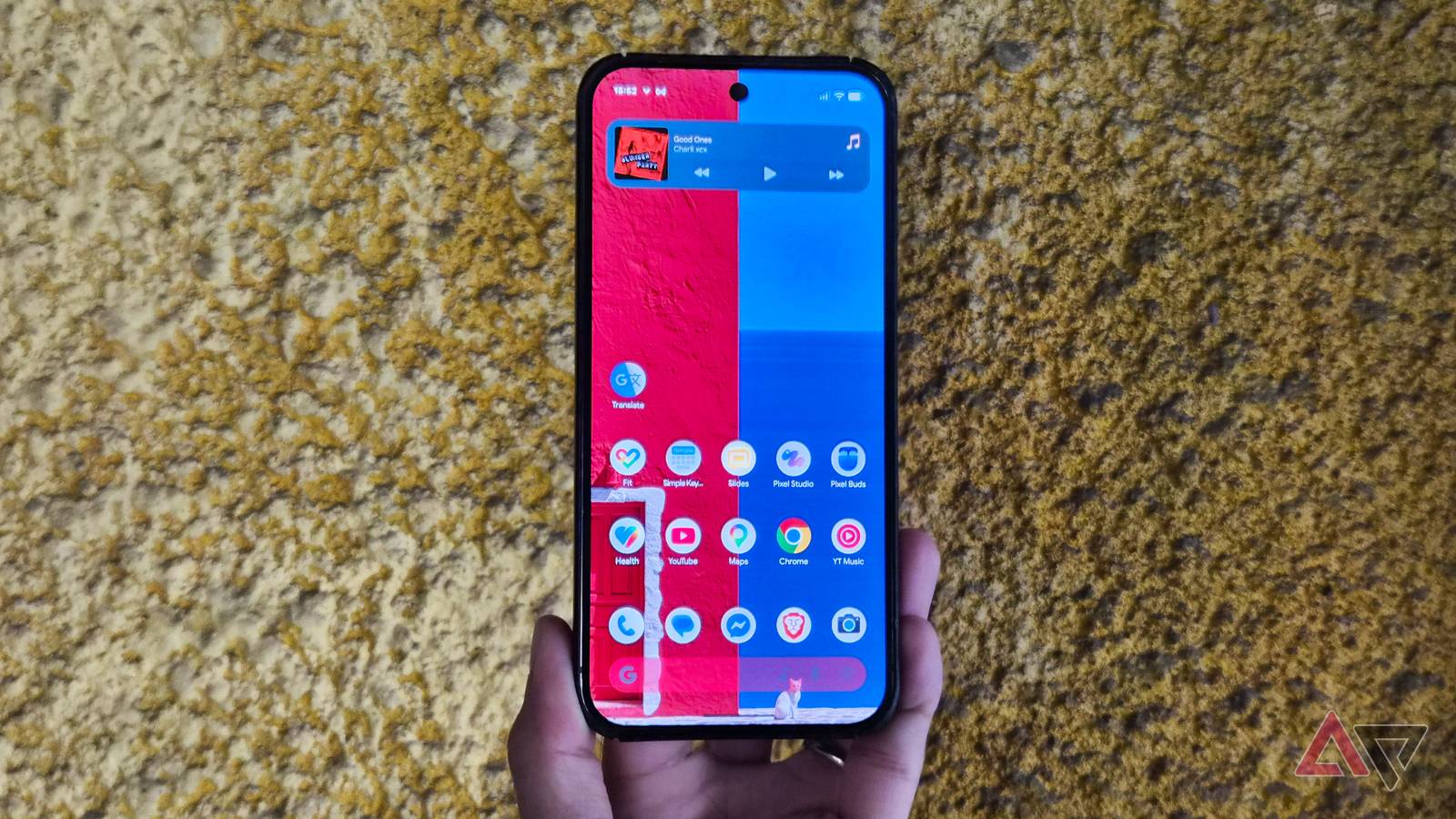
Published Nov 5, 2026, 7:00 AM EST Irene Okpanachi is a Features writer covering Android devices, laptops, portable projectors, VR headsets, software, and AI recorders for Android Police and Talk Android. She has five years' experience across the Tech, E-commerce, and Food niches, with over 1,000 posts published. The Tech space is where she geeks out most, particularly Android. Irene holds certifications in Graphic Design (HerTechTrail), Writing in Plain Language (LinkedIn), and English for IT (Cisco Networking Academy). Beyond writing, Irene is a gamer, singer/songwriter, food lover, and a Jack of all trades. Rising RAM costs could mean your next phone won’t come in a factory-sealed box. Used phones aren’t necessarily a bad buy, and they have a growing market. Unfortunately, it has a sinister side. My sister's friend learned this the hard way when police traced the not-so-new Samsung foldable she'd recently bought to a woman who had been killed. She was arrested, then released after she showed her receipt and chats with the seller, and led officers to the person. She still has to attend court. I bought a used Google Pixel 8 this year, and her story still chills me to the bone. It changed how I approach secondhand deals. These are the checks I recommend running before any purchase. My IMEI number is too expensive to ignore The figures decide whether I take the deal or not The International Mobile Equipment Identity (IMEI) number is a unique 15-digit code that identifies phones on any mobile network. Carriers see it every time a phone connects, and they'll block the number if someone reports it stolen. Police can request the records to trace where the device has been used. The IMEI is also your proof of purchase, so the number on your receipt must match the one on the phone. Dial *#06# or enter Settings > About phone to find it. It's also printed on the original box, on the SIM tray or back of some phones, and on the receipt or invoice. If the phone is signed in to a Google account, Find Hub lists it too. Open the app, select the device, and you'll see it in the details. Because retailers sell used phones in grades, yours may or may not come with the original box, and the receipt may be missing or handwritten without the IMEI. In that case, match the number from the dialer against Settings. If there's a mismatch, someone may have altered the software to change its identity. Alternatively, the box or receipt belongs to another phone. There are exceptions where a phone has had its motherboard replaced. Hence, a new IMEI. The seller should have the repair paperwork, ideally from an authorized service center, showing the old and new numbers. Next, run the IMEI through a blocklist check. In the US, the CTIA Stolen Phone Checker is free and checks the database major carriers share. Swappa, a used-phone marketplace, also offers unpaid IMEI checks, and your local carrier may check the number. Reports may take days to appear, and a blocklist only exposes phones someone has reported. Treat it as one step among others. A SIM-ple test gives me serious answers I don't want to go from signal bars to prison bars Credit: Lucas Gouveia / Android Police In the excitement of taking your secondhand phone home, you may forget to test it on the spot or downplay unusual connectivity signs. But the few seconds after you insert a SIM may tell you everything you need to know. Your SIM holds your subscriber ID and a secret key. The carrier sends a random number for the SIM to answer with the key, and a matching response proves it's yours. The phone then reports its IMEI, which exists on its modem. Again, the carrier checks its database and refuses a blocklisted phone, which shows "No service" even with a working SIM. I'd restart the phone after inserting my SIM at the store to force a fresh check with any network. Then I'd wait a minute or two before calling, texting, or loading web pages on mobile data with Wi-Fi off. Also, toggle Airplane mode on and off to trigger another network registration. Some carriers apply blocks in batches. A stolen phone can pass your test on the spot and lose service days later. Buy from a seller that offers returns, and pay with a traceable method rather than cash. Your secondhand device might have a second owner Remote locks are no joke My first used MacBook had a remote lock that didn't appear until I got home and set it up. It connected to the internet, and a persistent pop-up screen blocked me from signing in because the Mac belonged to a company's management system. Luckily, the company was still in operation, so I reached out to ask about it and contacted the seller at the same time. It turned out to be an oversight. The IT administrator forgot to release the device from the business's system before factory resetting it, but it was eventually resolved. This may not be the case for many buyers. Brands build these locks deep into their devices. Unfortunately, erasing the device doesn't break the link. It'll ping the servers when the internet connection is active, and the company's settings return. Google's Factory Reset Protection asks for the previous owner's account after a reset. In the worst case, you're left with a device worth little more than its parts when you can't reach the previous owner. Skilled technicians may be able to replace the motherboard because it's where the lock and the IMEI are. But it's rarely worth it when the board costs nearly as much as the phone, and you risk getting a replacement board from stolen devices. Before you pay, ask the seller to sign out of any accounts and factory reset the device in front of you, then set it up with your own account. Also, search Settings for terms like "device admin" or "Remote Management." My files have become paper trails Ironically, a spotless phone can cost you your freedom I'm usually quick to wipe or delete old chats and media files to keep my phone tidy. Then I realized I could be wiping evidence. That's why I don't take backups for granted anymore, especially when I'm talking to someone with disappearing messages enabled. Normally, that setting would signal someone who values privacy or just wants a cleaner inbox, like me. But you shouldn't make that assumption in transactional conversations. Your chat holds information on who you did business with, why and how you exchanged funds, and when, all of which can serve as your defense if anything goes wrong. Besides backing up these interactions, screenshot key messages in case technical errors wipe them, and email a copy to yourself. If you buy your phone in person, take a photo of the shop sign or record a short clip of the exchange (if the seller allows it) so your camera timestamps the moment. Some sellers post customer photos on their pages to show off their sales and build trust. If yours does, ask them to tag your social media accounts to make a public, dated record. Double-check before you check out It's a countdown to December, and pre-Black Friday deals are already heating up by the minute. It's easier for price drops, and sellers rush to hide stolen stock. As you hunt for a bargain, use this opportunity to run the checks mentioned above. They're not limited to phones, either. Use caution when shopping for tablets, laptops, smartwatches, and accessories.
A friend got arrested after buying a crime-linked phone; here are 4 lessons we learned
Full Article
Original Source
Read the full article at Androidpolice →KhanList aggregates and links to publicly available news content. We do not host full articles from third-party sources. Always verify important information with original sources.