
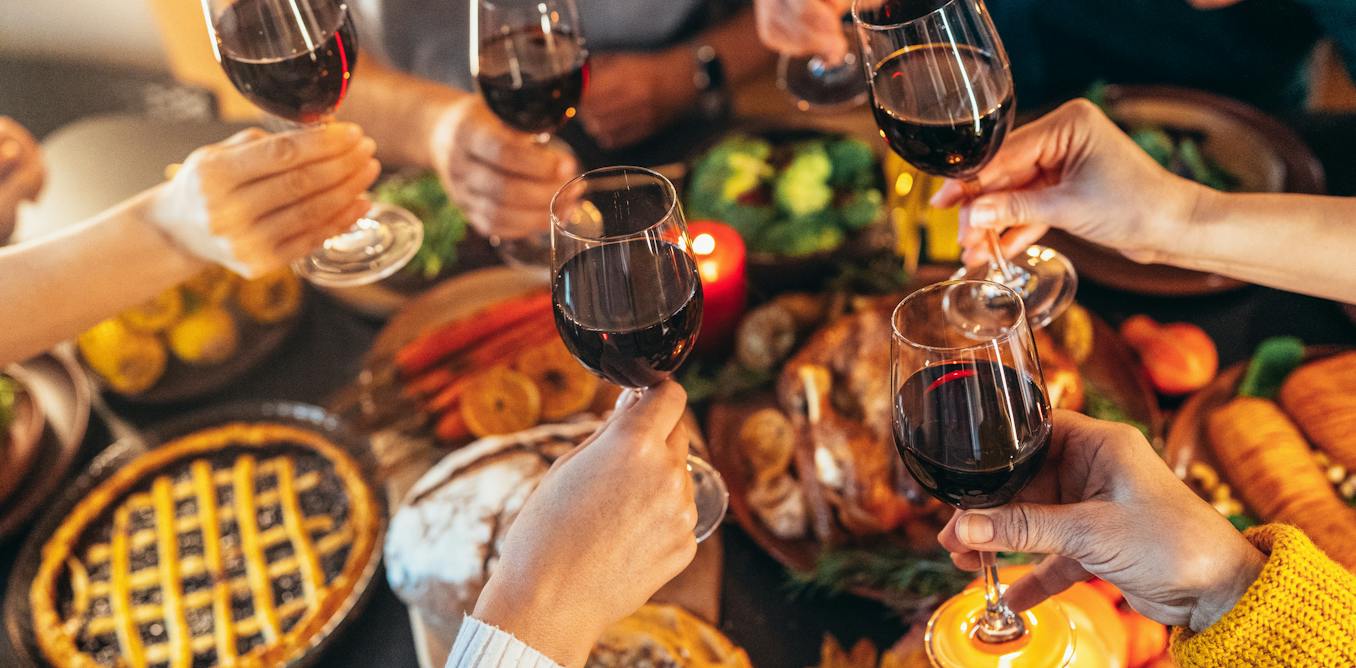
Thanksgiving and the winter holidays bring celebration, connection and plenty of opportunities to come together with family and friends. But the holiday season also brings something else: more food-centered gatherings, larger portions and richer foods than most people typically eat throughout the year. Think whipped sweet potatoes, mac and cheese, decadent side dishes and an abundance of desserts. For people taking GLP-1 medications for diabetes management, weight loss or other medical reasons, these celebrations can present unique challenges. Changes in appetite, smaller portion tolerance, limits on alcohol consumption, medication side effects and the desire to maintain progress can make navigating holiday traditions feel a little different. As a physician specializing in obesity medicine, I encourage my patients to view GLP-1 medications as an advantage during the holidays. These medications can help regulate appetite, improve awareness of fullness, and reinforce healthier eating behaviors during a season when food often takes center stage. However, these medications don’t eliminate the possibility of overindulgence. In fact, patients who previously experienced little or no nausea due to GLP-1s may suddenly develop significant nausea or even vomiting after eating beyond their new comfort level. Nothing can derail a holiday celebration quite like an upset stomach. Accounting for how these medications affect your body can help you avoid uncomfortable surprises while still enjoying the foods and traditions you love. By quieting cravings, GLP-1 drugs can help people put tried and true dietary changes into practice. Respecting fullness cues Whether taken by injection or orally, GLP-1 medications have become increasingly popular worldwide for managing Type 2 diabetes, obesity and other chronic conditions. In the United States, approximately 1 in 10 adults used these drugs in 2025, and prescribing rates continue to climb. GLP-1 medications work by reducing hunger, slowing stomach emptying and helping patients feel full sooner and stay full longer. Many patients also report fewer cravings for high-calorie foods and even a reduced desire to drink alcohol. In many ways, these effects can make holiday food temptations easier to navigate. My patients often tell me that they already know which dietary changes they need to make, but GLP-1 medications help them put those changes into practice. They find it easier to stop eating when they’re satisfied, resist unnecessary snacking and avoid the constant thoughts about food that previously made weight management so challenging. One of the most important things you can do during the holidays is to learn to recognize your body’s changing fullness signals. Pay attention to nausea, bloating and early fullness rather than pushing yourself to finish everything on your plate. These symptoms can serve as reminders that you’ve reached your comfortable limit. The best plan is to enjoy smaller portions, eat slowly and pause between bites to give your body time to recognize fullness. Rich, high-fat foods in particular can worsen nausea and prolong the sensation of fullness. A few bites of your favorite dishes may be much more satisfying than an entire serving. GLP-1 medications don’t make these decisions for you – but they can reinforce healthier behaviors. A caution on alcohol Alcohol deserves special consideration during the holidays, when social gatherings and celebrations often revolve around drinking. Although you may have tolerated alcohol without difficulty in the past, GLP-1 medications can change your experience. Some patients report that GLP-1 medications reduce their desire for alcohol altogether. For them, the holidays may represent their first opportunity to drink since starting treatment. Alcohol can worsen nausea, acid reflux, dehydration and other gastrointestinal symptoms that some patients already experience while taking GLP-1 medications. If you choose to drink, consider these precautions: Limit your intake. Start with less than you might have consumed before starting your medication. Avoid drinking on an empty stomach. Eat beforehand, but avoid a particularly large or high-fat meal. Stay hydrated. Drink water throughout the occasion. Pay attention to how you feel. Stop drinking if you experience nausea, dizziness or other unpleasant symptoms. The safest approach is to be cautious and recognize that alcohol can aggravate medication-related gastrointestinal symptoms. Some injectable GLP-1 medications must be refrigerated. Storage requirements vary, so plan ahead if you’re traveling for the holidays. martin-dm/E+ via Getty Images Planning for travel Holiday travel can disrupt established routines, medication schedules and access to prescriptions. A little planning can help prevent unnecessary interruptions in treatment. Plan ahead for medication storage. Some injectable GLP-1 medications require refrigeration before use, while others allow room-temperature storage for a specified period after dispensing or first use. Storage requirements vary considerably by product. Check the prescribing information for your specific medication or ask your pharmacist before traveling. Don’t assume that all injectable medications can remain unrefrigerated for the same length of time. If you’re flying, keep your medication and supplies in your carry-on luggage. This helps protect them from extreme temperatures and prevents problems if your checked luggage gets delayed or lost. Keep in mind that you might also need to have a note from your prescribing provider to carry them on. Arrange prescription refills in advance. If you anticipate needing a refill while traveling, contact your pharmacy and prescribing clinician ahead of time. Prescribing and dispensing regulations can complicate obtaining medications in another state, so don’t wait until you run out. Stick to your regular dosing schedule. Don’t take an extra dose or double up on medication to accommodate a holiday meal or try to suppress your appetite further. Taking more medication than prescribed can increase the risk of significant side effects and potentially cause an overdose. If travel disrupts your dosing schedule or you miss a dose, follow the instructions for your specific medication, or contact your prescribing clinician or pharmacist. When in doubt, plan ahead and ask for guidance rather than making medication adjustments on your own. Don’t sweat it with the occasional treat Perhaps the most important advice I give my patients is this: The holidays are not everyday life, and one large meal or dessert will not erase the progress you’ve made. You don’t need to skip Thanksgiving dinner, avoid your favorite dessert or feel guilty about enjoying a special meal. Maintaining a healthy relationship with food means allowing yourself flexibility while keeping your long-term goals in perspective. At the same time, don’t let one celebratory meal turn into several weeks of abandoning the habits that have helped you succeed. Enjoy the occasion, recognize when you’ve had enough, and return to your usual routine afterward.
A doctor’s guide to surviving — and enjoying — holiday feasting while on GLP-1 medication
Full Article
Original Source
Read the full article at Theconversation →KhanList aggregates and links to publicly available news content. We do not host full articles from third-party sources. Always verify important information with original sources.