
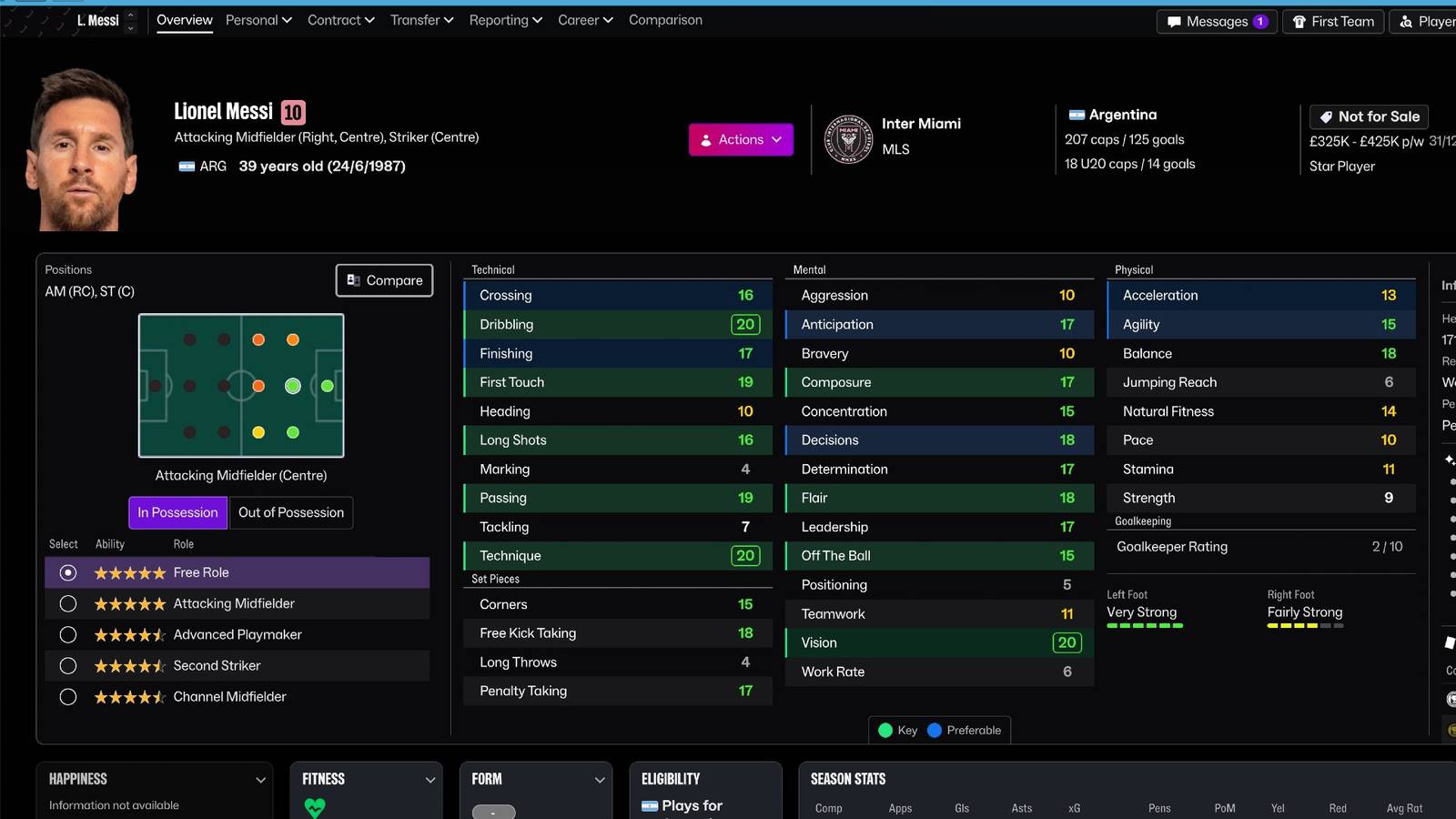
Football Manager 27: Complete Guide To Scouting Scouting isn't something a lot of players go hands-on with, but in doing so you'll find the most success in signing the best players around the world. Published Nov 16, 2026, 2:18 PM EST Niall (pronounced Ny-ul) is a UK-based writer who has been writing about Magic: The Gathering throughout his entire career, with everything from new set breakdowns and individual deck guides to offering his opinions on the state of formats and the general direction of the iconic TCG. Niall also has a rich history covering triple-A releases, sports games, and PC hardware. Scouting in Football Manager 27 hasn't seen any major overhauls, but the system is still much deeper today than it was even in FM 24, and can be overwhelming for beginners. If you're the kind of player who typically lets their staff identify players to sign but occasionally likes to scout the odd South American wonderkid, this guide is for you. We'll take you through some key aspects of scouting and why it's just as important as new features like Tactical Effectiveness for a successful career in FM 27. Check Your Scouting Range & Budget The first thing you should do when you start a new save, regarding scouting, is to check your scouting budget and make sure your scouting range is appropriate for the type of scouting you'll be doing. At top-flight clubs, this will be set to "World" by default, and that's fine, but in saves outside the top leagues, or in countries where the money doesn't flow quite so much, you may have to make adjustments to get the most out of your scouting budget. Remember, you can assign some of your transfer budget to your scouting budget if you need to upgrade your scouting range. Your scouting range refers to the area your scouts will search for players whenever you send them on recruitment focuses or when they are generally looking for talent when directed by the chief scout. There is still a scout associated with specific player scouting that comes out of your total budget, and you can still scout players outside of your base scouting range for a cost, but you won't naturally get worldwide scouting results if your scouting range is set to the local area or a specific continent. Know What To Look For In Scouts To have the best chance of finding the players with the most potential, or just having scouting reports with accurate player data, you need to ensure your scouts are up to the task. The three stats that matter most to scouts are Judging Player Ability, Judging Player Potential, and Adaptability. The first two are self-explanatory: they determine how well a scout can assess a player's current ability and stats, and their potential. Adaptability, however, relates to how quickly a scout can set up for their next task and how efficiently they feed back the data. Scouts with better adaptability can scout unfamiliar territories more efficiently and take less time to start feeding back results. A final point to consider for your scouts is their knowledge base. You can find this on their profile, and it shows which countries they know best. Scouts can have multiple strong knowledge bases, and you want as much diversity as possible on your team to make scouting around the world more fruitful. Read Reports Carefully Glossing over player reports is a sin, because you're bound to miss important information that could turn what looks like a world-class signing into a dud. When reading a scout report, the first thing to pay attention to is the report's level of knowledge. Anything less than extensive could lead to assumptions, misjudging the severity of certain traits, or missing them entirely. Your scout also won't be able to narrow down a player's attributes until their knowledge of the player is complete. This means selecting the option to "Fully Scout" a player if you're targeting someone not already in your scouting recommendations. When reading the report, pay close attention to the wording, especially in the cons. This is where you'll find out whether a player is injury-prone, has a poor personality, is inconsistent, will demand high agent fees, and has a range of other negative traits. Finally, when rating the player against others on your team, ensure your scout is comparing them for the right position. Players who can play multiple positions are typically rated against the position they are most proficient in, but if you're bringing them in to play somewhere else, you can have the scouting report rate them against your existing options there instead. The final tip for scouting in FM 27 is to use both the Squad Planner and Comparison tools. Squad Planner lets you see the depth in your current team; it's a great starting point for building your squad and understanding exactly who your starters are and where your depth lies. You can also add scouted targets to the Squad Planner to see how strong your positional ratings would be if you make certain signings. While the Squad Planner has been in FM for a number of years, so many players still don't use it, yet it's such a helpful tool, especially for influencing your scouting for the season. The Comparison tool, on the other hand, is a very common tool, but it's still worth us flagging that it exists and is a great way to directly compare two players. In this case, we'd be comparing incoming signings to existing players. When a player is fully scouted, you can compare their attributes directly with players on your team to see who comes out on top. Obviously, intangibles like personality still need to be considered, but this is a great base to build on when you're scouting to directly replace a specific player. Football Manager 27 Systems 4.5/5 Released November, 2026 ESRB Everyone / In-Game Purchases Developer(s) Sports Interactive Publisher(s) Sega Prequel(s) Football Manager 26 Genre(s) Simulation, Management, Sports
A Complete Guide To Scouting In FM 27
Full Article
Original Source
Read the full article at Thegamer →KhanList aggregates and links to publicly available news content. We do not host full articles from third-party sources. Always verify important information with original sources.