
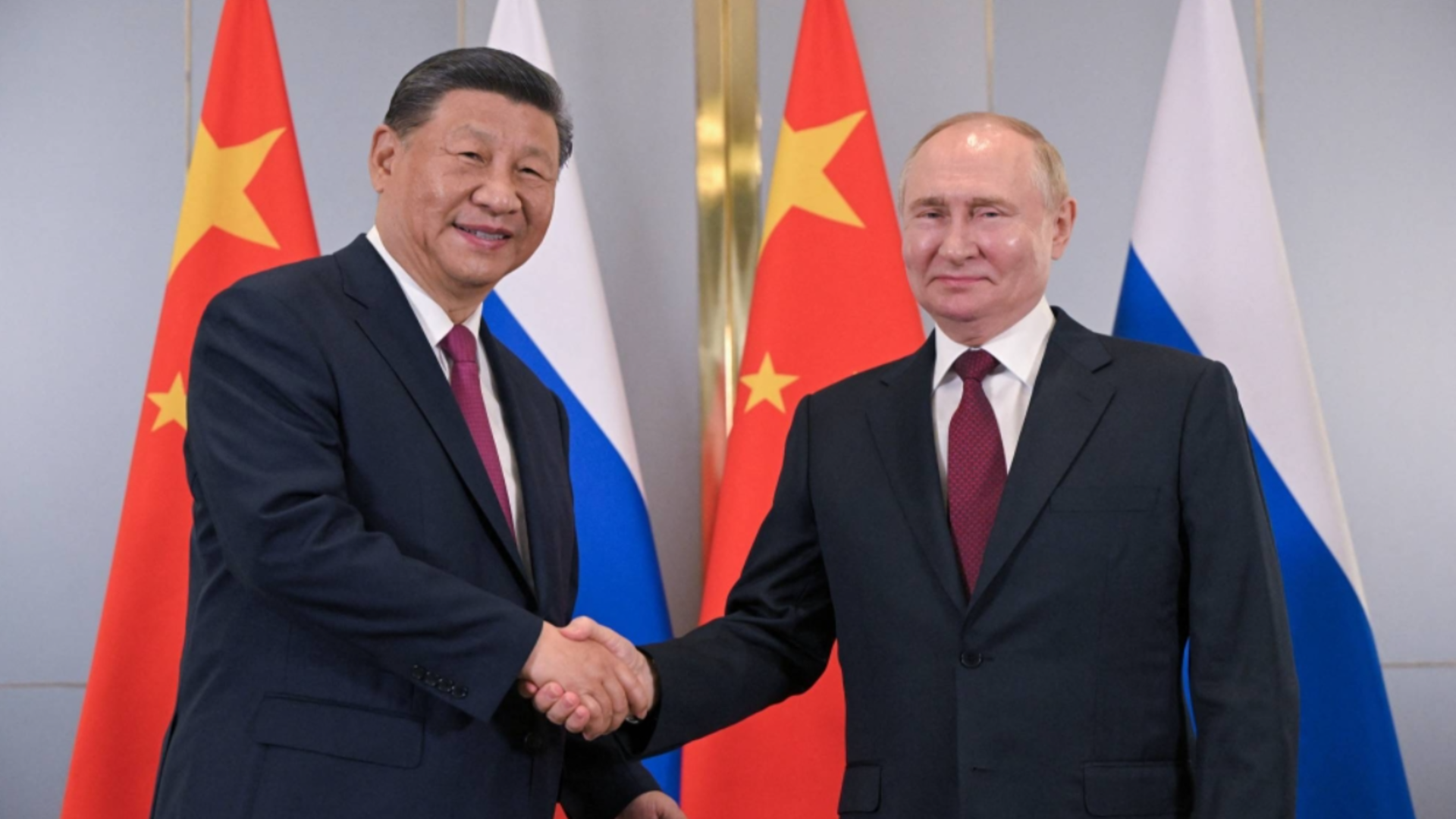
China shipped 46 tons of drone material to a sanctioned Russian firmThe shipment was hidden on paper under a civilian customs codeAlabuga-Volokno sends 89% of its output straight to Russian defense firmsInternal shipping records reviewed by the US and UK governments revealed that a Chinese state-owned enterprise transferred 46 tons of carbon-fiber precursor material to a sanctioned Russian drone manufacturer earlier in 2026.The documents describe two large containers moving between Jilin Chemical Fiber Group and Alabuga-Volokno, a subsidiary of Russia's state nuclear corporation Rosatom.Investigators say the cargo was logged under a customs code normally reserved for civilian synthetic fiber, obscuring its actual military use.A disguised customs codeAlabuga-Volokno makes 39 separate carbon-fiber products for aviation, rocket engineering, drones, shipbuilding, and armor.The company barely releases any civilian products, as roughly 89% of its output is expected to serve Russian defense firms by 2030.Weapons expert David Albright said using the correct shipping code would have flagged the shipment as a dual-use item with both civilian and defense applications.Albright estimated the volume shipped could supply enough material for as many as 1,300 long-range attack drones.Sign up to the TechRadar Pro newsletter to get all the top news, opinion, features and guidance your business needs to succeed!Ukrainian Security and Cooperation Centre says it has tracked at least eight tenders for similar shipments between the two firms since 2022.It claims that the sanctions have left Beijing as nearly the sole supplier of composite materials for Russian weapons manufacturing.A Kiel Institute analysis found that China supplies more than 60% of the components sustaining Russia's military production.Former deputy secretary of state Kurt Campbell said dozens of Chinese firms now maintain deep ties to Moscow's defense sector in exchange for military technology transfers.The disclosure arrives weeks before Donald Trump is scheduled to meet Xi Jinping in Washington, a summit both governments would likely prefer to focus on trade rather than sanctions enforcement.Beijing denies any wrongdoing China's embassy in Washington rejected the allegations, saying the country strictly controls dual-use goods and has never armed either side of the conflict.Rosatom likewise disputed any wrongdoing tied to its subsidiary's customs filings.“Rosatom and its enterprises operate in full compliance with applicable laws and regulatory requirements,” said a spokesperson for the Russian state firm.“Any claim to the contrary is false and demonstrates a lack of understanding of how Russia’s customs authorities operate.”Former U.S. officials remain skeptical of Beijing's denials, arguing that state-owned firms operate under close government oversight.“They are doing it knowing that the Chinese government will not bust them for it,” said Dennis Wilder, former CIA deputy assistant director for East Asia and the Pacific.“The idea that Chinese state-owned enterprises can hide things from the Chinese government just doesn’t wash.”Chinese leader Xi Jinping has always maintained that China will not participate in the conflict between Russia and Ukraine.“We would not add fuel to the fire, and above all we would not profiteer,” Xi said in 2023.Despite the denials from Beijing and Moscow, Ukraine argues that Chinese support keeps Russia's defense industry expanding production of drones and missile components.Kyiv warned that continued shipments only strengthen ties between two of the West's strategic rivals, deepening cooperation across their industrial sectors.Ukraine called for secondary sanctions, tighter export controls, financial pressure on intermediaries and closer coordination with Asian partners to counter these networks.Via Politico Follow TechRadar on Google News and add us as a preferred source to get our expert news, reviews, and opinion in your feeds.
A Chinese state-owned firm was found shipping 46 tons of drone-making material to Russia
Full Article
Original Source
Read the full article at Techradar →KhanList aggregates and links to publicly available news content. We do not host full articles from third-party sources. Always verify important information with original sources.