
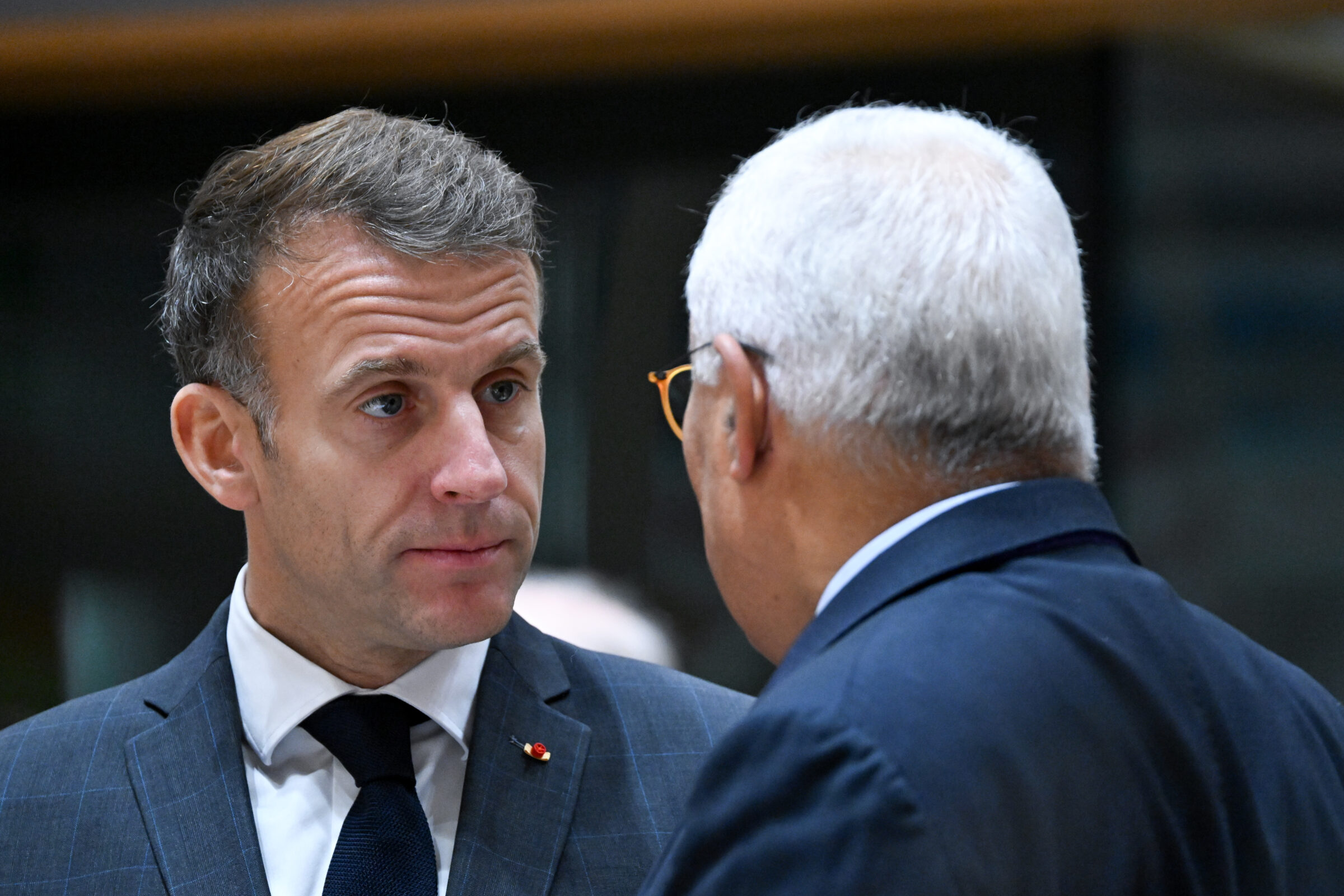
Budget talks in Brussels are expected to run late on Thursday (26 November) as EU leaders clash over how big the next seven-year budget should be, who foots the bill and whether all 27 must pay for Ukraine – with time running short to reach a deal before the end of the year. On the table is a nearly €2 trillion budget for 2028-2034. But no deal was really ever expected to come out of this special European Council. In line with an unspoken Brussels tradition, EU Council president António Costa knew he needed a ‘bad’ summit before a ‘good’ one would even be possible. At the last EU budget negotiations, the ‘special summit’ in February 2020 failed – without even clarifying next steps. The real deal only came after a five-day summit five months later in July 2020 – a pattern that could be repeated this December if a deal is achieved then, as Costa hopes (having previously warned that he could stay until Christmas to make the deal happen). Costa’s cuts reduce the overall size of the next budget for 2028-2034 by €204bn, compared with the European Commission’s initial proposal. Notably, new priorities that need financing, such as research or innovation, have received the biggest cuts, alongside development aid, because agriculture and regional funds are politically too important for a majority of EU leaders. EU budgets always come in at a little above one percent of gross national income (GNI), as so-called 'frugal' countries (some of those who pay more to the budget than they receive) refuse to go higher. Costa’s proposal is close at 0.97 percent of GNI, with pandemic recovery debt repayments subtracted. 'Cheap' is an expensive mistake But many feel the budget is too small. “Europe is making a strategic mistake,” French presidentEmmanuel Macron said during a press conference in the middle of the summit. “A cheap Europe could turn out to be a very expensive mistake. Security comes at a price,” warned Polish prime minister Donald Tusk. The budget fight always follows the same steps. The commission usually proposes a high budget, EU leaders demand huge cuts, the European Parliament then object to the cuts, and then falls in line after making some small gains. MEPs can certainly delay the adoption of the budget. But they won’t, even though they have warned that negotiations will begin, rather than end, once EU member states agree on their figures. So there is a lot at stake. Several leaders, including Dutch prime minister Rob Jetten, insisted there is no real deadline, but all of them know that pushing the talks deep into 2027 is risky. Officially, it is true: there is no end-of-the-year deadline. But Macron has warned that negotiations cannot drag on into 2027, when his country heads into an election in which far-right eurosceptic (and currently likely next president) Marine Le Pen has pledged to reopen any deal, reduce France's contribution and stop Ukraine financing. A deal before deadline would protect the budget against later changes. Red lines? They end up getting smudged
A ‘bad’ summit first, a EU budget deal later
Full Article
Original Source
Read the full article at Euobserver →KhanList aggregates and links to publicly available news content. We do not host full articles from third-party sources. Always verify important information with original sources.