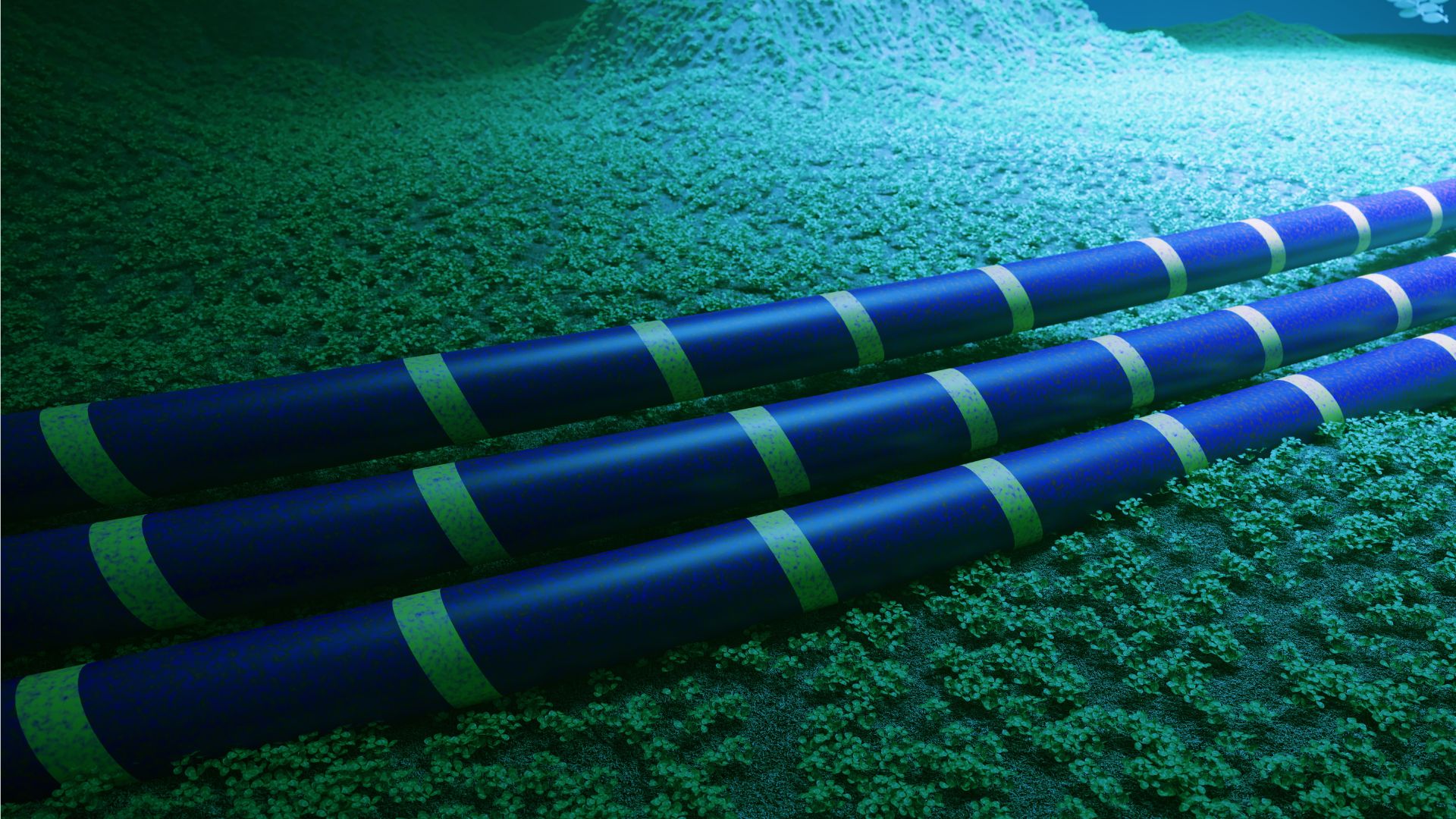
Chinese military researchers warn that the global network of undersea internet cables is becoming more vulnerable to attacks from inexpensive underwater drones. Writing recently in Science and Technology Daily, the researchers argued that rapid advances in uncrewed underwater vehicles (UUVs) are making undersea warfare easier and turning the seabed into a new strategic battleground. This warning comes as countries spend more on underwater surveillance and protecting infrastructure due to rising geopolitical competition. The researchers said that advances in autonomous technology are making the seabed, once hard and costly to control, an important military area. Low-cost underwater drones reshape military planning Shi Guanglei and Shi Haiming from China’s National Defense University said that more affordable autonomous underwater systems are changing how countries operate under the sea. “The barrier to entry for undersea warfare is lowering,” Shi Guanglei and Shi Haiming from the National Defense University wrote in Science and Technology Daily, pointing to the Aukus pact between Australia, Britain and the United States as a key driver of this change. “In the past, underwater operations relied heavily on crewed submarines, which were expensive and posed significant risks to personnel, making it difficult for small and medium countries to conduct underwater military activities.” The researchers added that small and medium-sized unmanned undersea vehicles are cheap, can be used in large numbers, and remove risks to military crews. The article noted that these features could allow more countries to compete for control of important seabed infrastructure. Global communications depend on fragile cable network The researchers pointed out that undersea cables carry about 99 percent of data between continents, making them vital for internet services and international financial transactions. They estimated these cables support about $10 trillion in cross-border financial activity each day. Worldwide, around 1.06 million miles (1.7 million kilometers) of fiber-optic cables connect continents beneath the oceans. The network experiences around 150 to 200 cable faults annually. The article mentioned several recent events that show these weaknesses, such as the 2022 sabotage of the Nord Stream natural gas pipelines and internet outages after cables in the Red Sea were damaged last year. However, the UK-based International Cable Protection Committee has said accidental damage remains the leading cause of submarine cable failures. “Anecdotally, we believe that there have not been verified incidents of state-sponsored sabotage since World War II,” according to its website. Aukus plans draw criticism from Chinese researchers The article also focused on the Aukus partnership between Australia, the United Kingdom, and the United States. The researchers pointed to the alliance’s May agreement to develop UUVs for protecting underwater infrastructure while supporting surveillance, reconnaissance, and anti-submarine missions. “Under the guise of ‘protecting submarine cables’ to advance equipment development, Aukus is building a routine seabed monitoring network through uncrewed equipment to gain global underwater situational awareness and seek military strategic advantages in the deep sea,” they said. The researchers argued that autonomous underwater vehicles are evolving beyond reconnaissance into combat platforms capable of carrying out complex missions with minimal human involvement. Future fleets could operate autonomously for weeks The article said advances in artificial intelligence could allow future underwater drones to remain at sea for weeks without continuously transmitting data or receiving commands, reducing the chances of detection.The researchers envisioned coordinated groups of dozens or even hundreds of autonomous UUVs operating as “undersea wolf packs.” Such fleets could patrol submarine cable routes, conduct searches, stage ambushes, and coordinate with underwater sensors, surface vessels, and aerial drones to support future maritime military operations.Recommended ArticlesGet the latest in engineering, tech, space & science - delivered daily to your inbox.A versatile writer, Sujita has worked with Mashable Middle East and News Daily 24. When she isn't writing, you can find her glued to the latest web series and movies.
99% of global internet data at risk from cheap underwater drones, China warns
Full Article
Original Source
Read the full article at Interestingengineering →KhanList aggregates and links to publicly available news content. We do not host full articles from third-party sources. Always verify important information with original sources.