
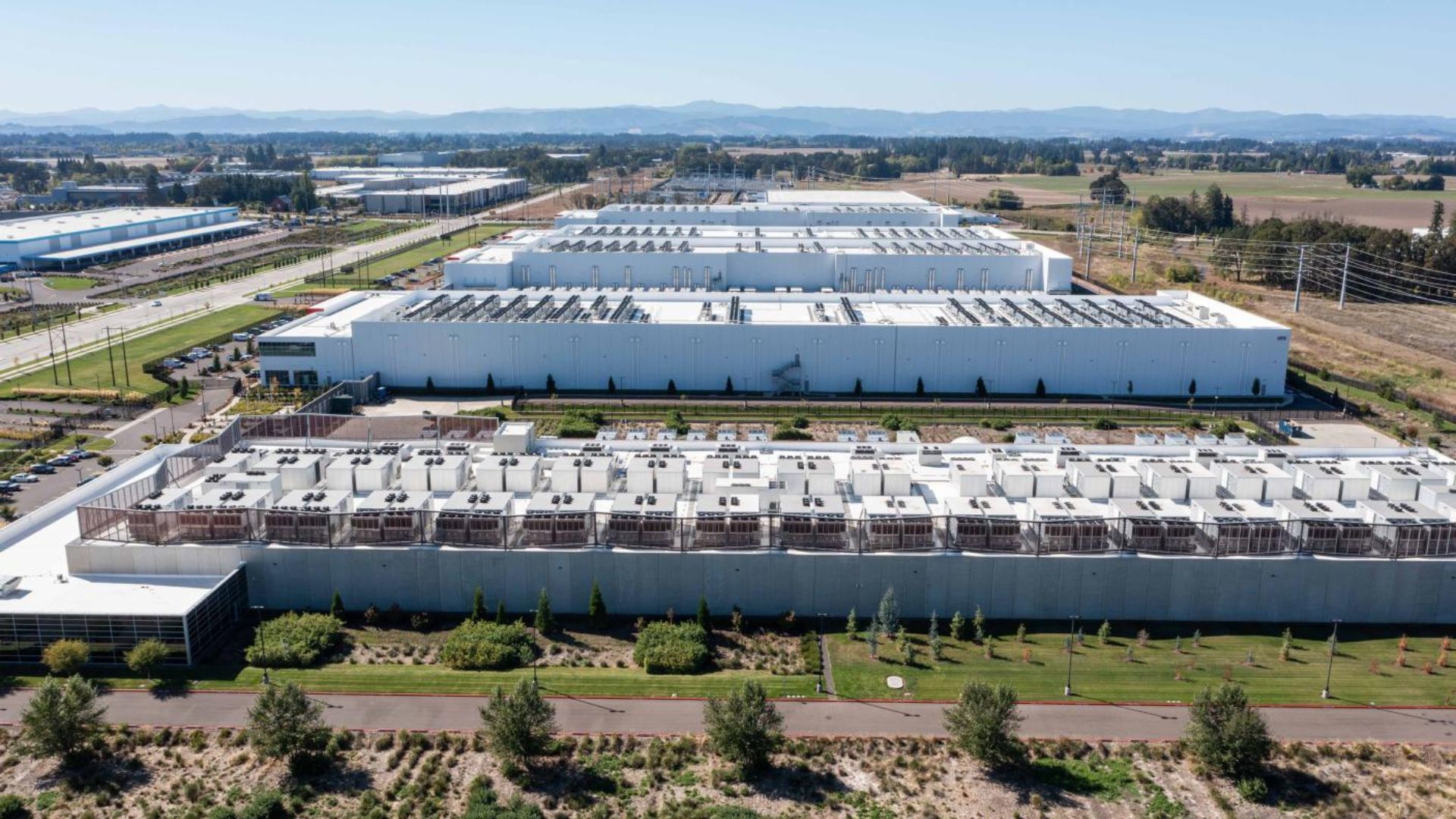
Contrary to the popular belief that data centers operate in remote rural areas, new research from NYU Tandon School of Engineering reveals that the digital economy is overwhelmingly urban. The study analyzed 4,283 data centers across the contiguous United States and revealed an unexpected reality: 97.5% of all facilities are located directly inside urban and metropolitan areas. Even the remaining 2.5% aren’t truly remote, sitting an average of just 8.5 miles from a city’s edge. Under federal policies aimed at reviving “Energy Communities,” new data centers are now twice as likely to be built in former coal-dependent towns near urban cores compared to anywhere else. “There is a prevailing narrative of these data centers being somewhere in the middle of nowhere, in rural areas, being a positive force for employment, and being the future of rural communities,” said Professor Maurizio Porfiri, who is the Director of Tandon’s Center for Urban Science + Progress and of the NYU Urban Institute. “We dramatically challenged this view,” the lead researcher added. Urban concentration Tech companies and local officials long promoted data centers as a vital economic engine for rural communities. It was stated that these facilities would bring jobs, steady tax revenue, and a high-tech revitalization to struggling agricultural towns. Rather than spreading wealth to isolated communities, server farms are tightly packing into existing tech hubs. In fact, nearly a third of all U.S. data centers are concentrated in just five metro areas: Washington, D.C., Chicago, Dallas-Fort Worth, New York, and Phoenix. The Northern Virginia region alone hosts as many as 610 facilities, making it the undisputed capital of the internet. So why are these sprawling, energy-hungry giants squeezing into congested cities? Data centers require massive, uninterrupted electricity, but constructing new power infrastructure is slow and expensive. To overcome this barrier, developers are acquiring closed coal plants near urban areas to repurpose their intact, high-voltage power lines and existing grid connections for modern server farms. This urban concentration creates hidden local impacts, including wildly uneven regional carbon emissions depending on whether the local grid relies on fossil fuels or green energy. Policy overlap Federal policies enacted in 2022 aimed to steer clean-energy investments toward communities impacted by coal plant closures, yet data centers are inheriting these sites instead. Cities with this “Energy Community” designation are twice as likely to host new data center developments. Looks like the digital economy isn’t replacing fossil fuel infrastructure, but inheriting it. A data center plugged into a coal-heavy grid in Montana emits over 350,000 tons of CO2 per year. A matching facility operating in green-powered Vermont emits under 3,000 tons. Furthermore, developers routinely ignore local water shortages to build water-intensive cooling systems in arid regions. According to the study’s co-authors, the data center industry follows a predictable path of building wherever infrastructure already exists, but its lack of public transparency creates a major hurdle. This opacity leaves urban planners and residents without the necessary data to make informed choices about their community’s infrastructure, energy usage, and environmental future. The study was published in the journal Nature Cities. Recommended ArticlesGet the latest in engineering, tech, space & science - delivered daily to your inbox.Mrigakshi is a science journalist who enjoys writing about space exploration, biology, and technological innovations. Her work has been featured in well-known publications including Nature India, Supercluster, The Weather Channel and Astronomy magazine. If you have pitches in mind, please do not hesitate to email her.
97.5% of US data centers are urban, shattering rural myth, study finds
Full Article
Original Source
Read the full article at Interestingengineering →KhanList aggregates and links to publicly available news content. We do not host full articles from third-party sources. Always verify important information with original sources.