
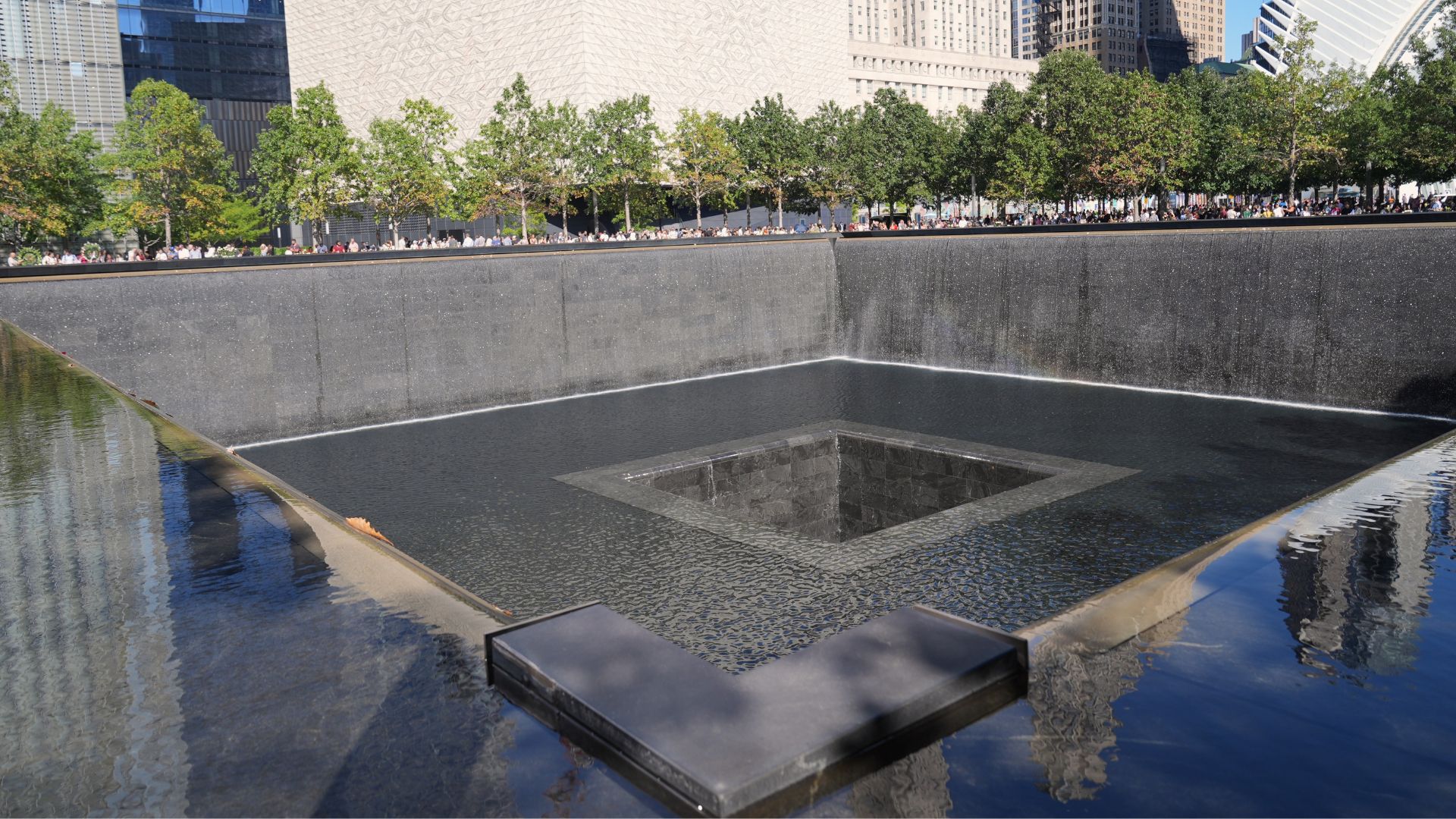
New York City has identified another victim of the September 11, 2001, World Trade Center attacks using genetic genealogy, marking the first time the method has been used in the city’s 9/11 identification effort. The breakthrough, announced on August 24, comes nearly 25 years after the attacks killed almost 3,000 people. The New York City Office of the Chief Medical Examiner and the NYPD Detective Bureau made the identification. The victim was an adult woman whose family has chosen not to disclose her identity publicly. She is the 1,651st World Trade Center victim to be formally identified. Nearly 1,100 victims remain unidentified. A new method for old evidence Genetic genealogy combines DNA testing with family tree research to connect unidentified remains with potential relatives. The approach has been used by law enforcement to resolve cold cases that remained unsolved for decades. Dr. Jason Graham, New York City’s chief medical examiner, described the identification as a major development. “It’s a breakthrough,” Dr. Jason Graham, New York City’s chief medical examiner, as reported by ABC News. “I’m delighted to be able to say that we’ve now applied new methods to the World Trade Center identification efforts, and we have a new identification for the first time in 25 years using new methods, forensic investigative genetic genealogy.” The technique was unavailable when the World Trade Center identification effort began after the attacks. “The technology really wasn’t there,” said NYPD Det. Gregory Paduano. “There’s a lot of good future with genealogy.” 47 DNA profiles under review The medical examiner’s office and NYPD are now examining whether genetic genealogy can help identify additional victims. Dr. Jennifer Odien, a forensic anthropologist with the New York medical examiner’s office, said the early results indicate that the approach could produce further identifications. “We already can see that it’s promising,” said Dr. Jennifer Odien, a forensic anthropologist in the New York medical examiner’s office. “Not every case is going to be able to go through genetic genealogy, but we do have DNA profiles that are not matching to our reference samples, so that’s the group right now that we’re focusing on and that hopefully is going to yield more positive results.” Odien told ABC News that 47 profiles could be suitable for genetic genealogy. These cases represent a fraction of the unidentified victims whose remains have been examined over the years. Identification effort continues Identifying victims of the World Trade Center attacks has been one of the most complex forensic investigations in U.S. history. Scientists have repeatedly revisited evidence as DNA analysis and identification techniques have improved. The medical examiner’s office has continued working with law enforcement to provide answers to families who have waited decades for confirmation of their loved ones’ fate. “The World Trade Center was the largest mass murder in the history of the United States, and it represents also the most complex forensic identification effort in our history,” Graham added. “And being able to apply new innovations to that identification work is a remarkable way that we can keep our commitment to the families.”Get the latest in engineering, tech, space & science - delivered daily to your inbox.A versatile writer, Sujita has worked with Mashable Middle East and News Daily 24. When she isn't writing, you can find her glued to the latest web series and movies.
9/11 terror attack victim identified using DNA genealogy in New York City after 25 years
Full Article
Original Source
Read the full article at Interestingengineering →KhanList aggregates and links to publicly available news content. We do not host full articles from third-party sources. Always verify important information with original sources.