
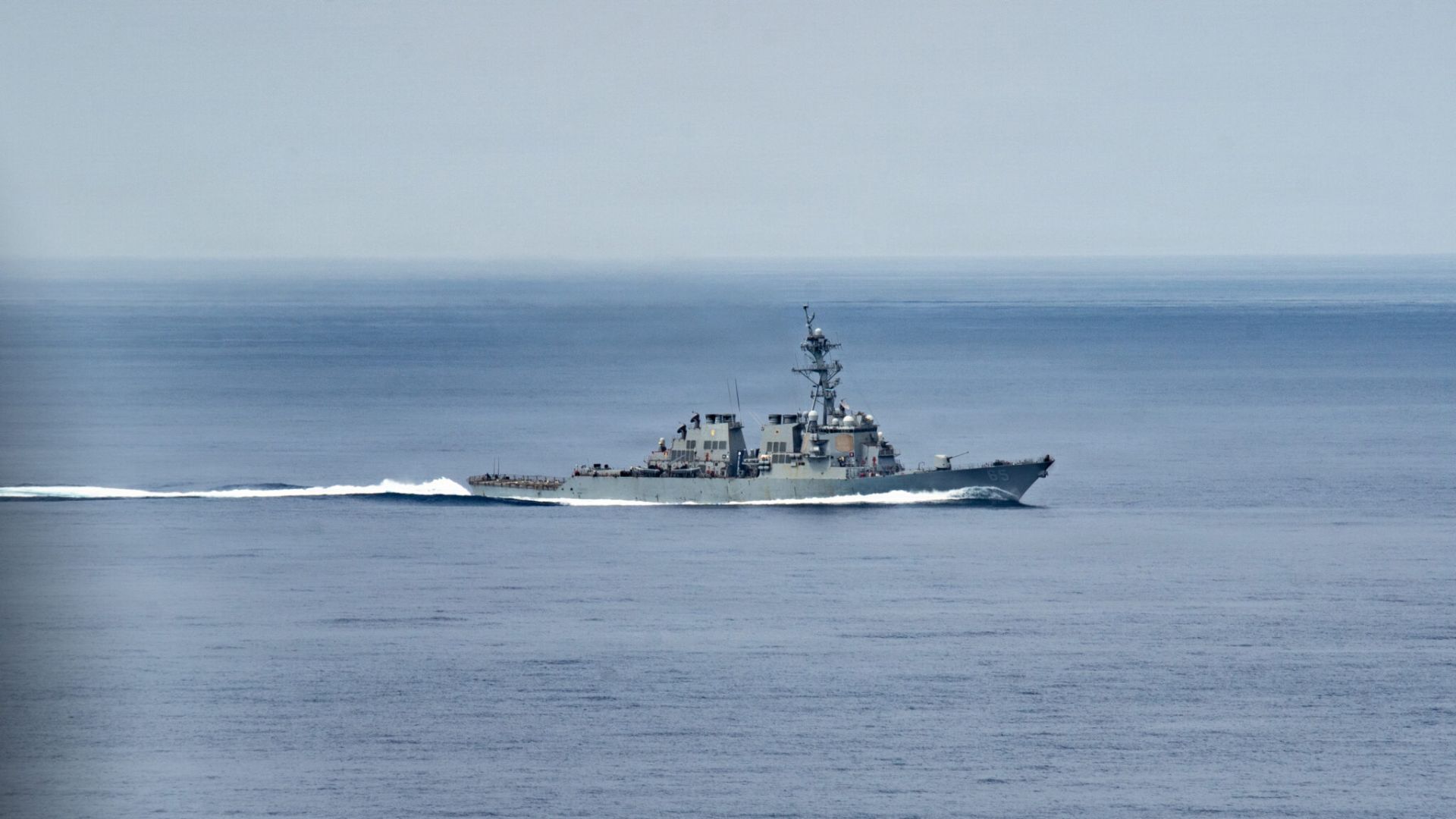
A U.S. Navy guided-missile destroyer lost electrical power for four days during routine operations in the Indo-Pacific, cutting off potable water, toilets, galley services and air conditioning for sailors aboard the ship. The engineering failure struck USS Benfold on July 24 and reportedly left the warship stranded in the South China Sea. Contracted tugboats eventually towed the destroyer to Subic Bay in the Philippines, where it arrived for repairs on July 28. Generator failure disables essential services USS Benfold is an Arleigh Burke-class destroyer equipped for air, surface and undersea warfare. However, an engineering casualty involving its generators left the ship without power while it was operating at sea. The U.S. Navy’s 7th Fleet confirmed the four-day outage but did not disclose the destroyer’s precise location when the problem occurred. Multiple reports placed the ship in the South China Sea. Without working generators, the crew lost access to several essential services. Sailors had no potable water, functioning toilets, galley services or air conditioning during the outage. No crew members were injured. “There were no injuries to the crew, who demonstrated resilience, grit, professionalism, and unwavering steadiness in their response,” 7th Fleet spokesperson Cmdr. Matthew Comer said. US strike group delivers food at sea Ships assigned to the George Washington Carrier Strike Group supported Benfold while it remained disabled. The assistance included meals supplied by USS Robert Smalls, a Ticonderoga-class guided-missile cruiser. “The crew was directly supported by ships in the strike group while at sea and every effort was made to ensure the crew was supported on arrival in Subic Bay, Philippines,” Comer said. After tugboats brought the destroyer into Subic Bay, specialists from the Ship Repair Facility-Japan Regional Maintenance Center met the vessel and began working on its systems. The crew received food and contracted accommodation ashore on July 29, one day after arriving in the Philippines. Electrical power aboard Benfold was restored on July 30, six days after the engineering casualty began. The US Navy has not disclosed what caused the generator failure or provided details about the repairs conducted in port. Destroyer returns to normal operations Benfold remained in Subic Bay after its power was restored as repair teams completed the necessary work and checked the ship’s systems. The destroyer shifted berths to take on fuel on August 7. By the time it departed the Philippine port on August 8, its engineering equipment, combat systems and crew-support systems were functioning normally, according to the 7th Fleet. The Navy is now investigating the engineering casualty. Officials have not said when the investigation will conclude or whether the incident has resulted in changes to the destroyer’s maintenance or operating schedule. The breakdown temporarily took a frontline U.S. surface combatant out of operation in one of the Indo-Pacific’s most closely watched waterways. Benfold returned to service after spending approximately 11 days in the Philippines following the initial failure. Get the latest in engineering, tech, space & science - delivered daily to your inbox.Atharva is a full-time content writer with a post-graduate degree in media & amp; entertainment and a graduate degree in electronics & telecommunications. He has written in the sports and technology domains respectively. In his leisure time, Atharva loves learning about digital marketing and watching soccer matches. His main goal behind joining Interesting Engineering is to learn more about how the recent technological advancements are helping human beings on both societal and individual levels in their daily lives.
9,000-ton US Navy warship stranded for four days after losing power in South China Sea
Full Article
Original Source
Read the full article at Interestingengineering →KhanList aggregates and links to publicly available news content. We do not host full articles from third-party sources. Always verify important information with original sources.