
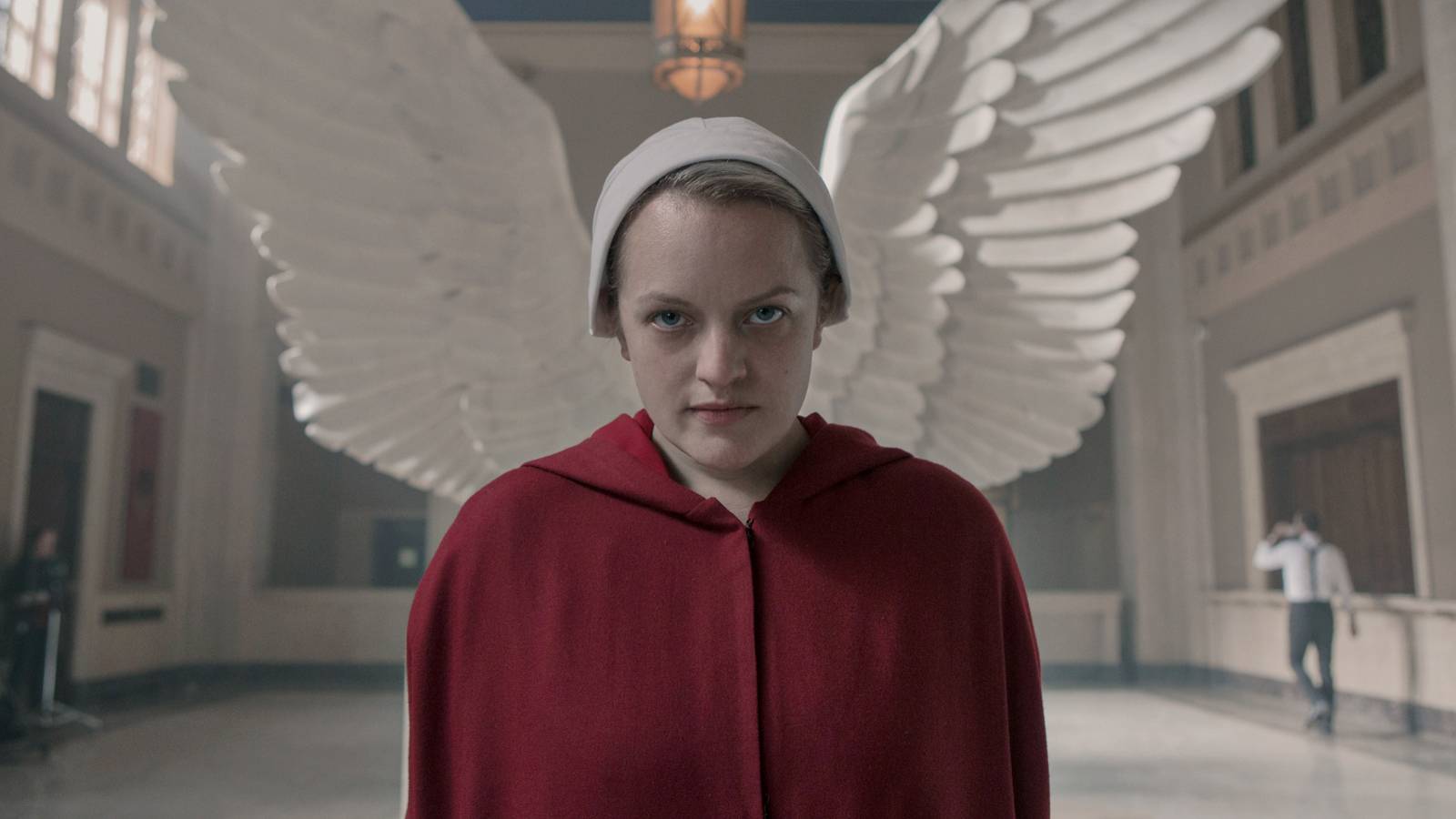
Published Nov 26, 2026, 7:00 PM EST Dani Kessel Odom (they/them) is an autistic lead writer and TV critic who covers sci-fi shows like Doctor Who and Pluribus, fantasy shows like The Magicians and Percy Jackson, and horror of all kinds. They also cover Marvel and DC TV shows and movies, with a robust knowledge of comic books. Their TV reviews can be found on Rotten Tomatoes. Dani is also part of ScreenRant's books team, using their fiction writing and literature studies as the backbone for their book analyses. They have covered events, such as the Denver Fan Expo. Professionals in the field, such as Damien Leone and Lucy Hale, have shared their articles. Their review of Ponies was quoted in the show's TV trailer. In university, they majored in English Writing with a minor in psychology. They have always had a passion for analyzing TV and movies, even taking filmography and scriptwriting classes in university. They also studied and participated in onstage and onscreen acting extensively from the ages of 7 to 18. Aside from working at Screen Rant, Dani has worked as a freelance editor and writer over the past decade, often in a ghostwriting capacity. The dystopian sci-fi genre has introduced readers to many terrifying worlds, but these nine stand out for being truly disturbing on another level. Like every sci-fi subgenre, dystopian books' popularity comes in waves, and it tends to grow during times of political and social unrest. The 2010s dystopian YA boom came just two years after the recession. Then, in the year after the 2016 US Presidential election, the BBC reported a 9,500% increase in 1984 sales. They also shared that Brave New World hit the Top 10 on Amazon and Fahrenheit 451 jumped to 15 on the charts. Because dystopian novels gain traction based on current events and social anxieties, what resonates with audiences at one time may not have the same effect later. For instance, The Time Machine by H.G. Wells reads more like a campy Victorian adventure book now, even though it was once perceived as a terrifying dystopian story. Similarly, Logan’s Run is still deeply entertaining, but the top-notch sci-fi book and movie adaptation don’t have the same bite as they did when overpopulation was the major issue on everyone’s mind. Looking at our current world, nine dystopian novels stand out as poignant and terrifying. They have parallels to our current world, or they speak to fears about what could come down the line. 9 Parable of the Sower by Octavia E. Butler Hachette Books Some dystopian books are upsetting because they are so extreme. Parable of the Sower hits hard because it’s disturbingly realistic. It only feels a step or two ahead of where we are now, with a polarized society ravaged by climate change and governmental failure. Fresh water is hard to come by, and the environment has severely degraded, leading to displacement and rationing of resources. People live in walled-in communities, protecting themselves with guns. Society has collapsed, leading to high crime rates and rampant substance use disorder. A highly addictive opioid drives folks to commit arson. Because the book feels painfully relevant, it’s extremely difficult to read, but that doesn’t change how important the dystopian sci-fi book is. Purchase Parable of the Sower here. 8 The Handmaid’s Tale by Margaret Atwood The Handmaid’s Tale is a cornerstone of the dystopian social sci-fi genre, set in a disturbing world rooted in real-world fear. The theocratic society treats women like objects instead of human beings. They are sorted into hierarchies, including roles like wives, handmaids, and unwomen. Their value is determined solely by the services they can perform for men. Women have no bodily autonomy. They have no individual freedom. On top of that, women in Gilead are pitted against each other, reinforcing the system from within and making organized resistance difficult, if not impossible. Unfortunately, the terrifying dystopian world in the book and Hulu adaptation of The Handmaid’s Tale isn’t out of the realm of possibility because religious fundamentalists already legislate female bodies, so the book is more chilling. Purchase The Handmaid's Tale here. 7 Wool by Hugh Howey The Silo book trilogy and Apple TV’s sci-fi show start with an uncomfortable dystopian society formed after an apocalyptic event, but it gets progressively more disturbing as it goes on, eventually ranking up there with the worst of the worst. Each silo has a social class system with three levels. Because they are around 5,760 feet tall, the classes are metaphorically separated and also literally separated, preventing upward mobility. Then, it gets more disturbing when the books reveal more about the Cleaning in the Silo books. Rather than being affected by nuclear radiation, a nanoterrorist attack caused the toxic air. The founders of the World Order Operation Fifty intentionally released them across the globe. Purchase the Silo trilogy, including the first book Wool, here. 6 Fahrenheit 451 by Ray Bradbury Ray Bradbury’s masterpiece classic novel, Fahrenheit 451, is downright terrifying because it isn’t just about social problems or governmental control. Instead, the problems run in both directions, creating a self-reinforcing cycle. On the one hand, the government in Fahrenheit 451 outlaws books, and they employ the firemen to burn them. They also take steps to sanitize the media. Book banning and censorship are rampant in this world, and that can’t be ignored. On the other hand, the citizens become dangerously complacent, taught to value comfort and entertainment over critical thinking. They’re bombarded with media so much that they don’t have time for silence and personal reflection. There’s no obvious solution, which makes the book chilling. Purchase Fahrenheit 451 here. 5 Battle Royale by Koushun Takami Nine years before The Hunger Games came out, Koushun Takami released Battle Royale, which has a similar premise. Suzanne Collins has consistently denied any connection (via The New York Times), but the comparison between the two is natural, even if one wasn’t inspired by the other. While The Hunger Games depicts an awful dystopian society, it pales in comparison to the horrors of Battle Royale’s The Society. In the Japanese story, the young students forced into the battle royale know each other and bring their pre-existing relationships to the island. This makes the deaths feel more personal. On top of that, the violence is chaotic and emotion-driven rather than strategic. There’s also no spectacle in Battle Royale; it eschews glossiness for an unrelenting sense of dread. Ultimately, Battle Royale’s dystopian world lingers long after it ends as nightmare fuel. Purchase Battle Royale here. 4 1984 by George Orwell Of all the books on this list, 1984 is probably the best-known, given its place on many school curricula. As of 2023, the book had sold over 30 million copies worldwide (via WordsRated), and even folks who haven’t read the book recognize the “Big Brother is watching” phrase. Beyond its popularity, the story also features one of the most disturbing dystopian societies. The ruling party enforces these three slogans: "War is Peace. Freedom is Slavery. Ignorance is Strength." It’s many of the most disturbing dystopian societies wrapped up into one. There’s no thought autonomy, let alone bodily autonomy, and the Party isn’t afraid of brainwashing or disappearing people. What’s more, they use other cult tactics like emotional manipulation with the Two Minutes Hate. Purchase 1984 here. 3 Dungeon Crawler Carl by Matt Dinniman Most of the attention Dungeon Crawler Carl gets comes from its absurdist comedy and fever-dream-like story elements. To be fair, those are truly fantastic parts of the book series. However, the story also resonates with audiences because of its disturbing dystopian society, which parallels our own. The aliens engage in colonialism and commodify human beings (and other species of players). The in-universe showrunners monetize the suffering of others through reality TV. They also manipulate footage to paint Carl in a negative light, manipulating viewers as much as they are the game. On top of all that, the game is designed to create division, and it works. Together, these elements create a truly terrifying dystopian world that feels far enough away to see more objectively, yet close enough to emotionally impact readers. Purchase Dungeon Crawler Carl here. 2 The Long Walk by Richard Bachman (Stephen King) Stephen King’s books written under the pen name Richard Bachman are known for being grimmer and more depressing. The Long Walk is especially memorable for its truly awful dystopian world. Stephen King’s story normalizes state-sanctioned cruelty toward teenagers, pitting them in a competition where they must suffer or die. 100 walkers go on a literal death march, knowing that only one competitor will survive. That would already be chilling enough, but the way the rules are enforced is almost worse. They remain completely calm when threatening to murder a teenager, and there’s virtually no remorse for the deaths. It’s almost as if The Long Walk’s world has stripped adults of all humanity, which is a terrifying prospect. Purchase The Long Walk here. 1 Never Let Me Go by Kazuo Ishiguro Nobel Prize-winning author Kazuo Ishiguro uses speculative fiction to explore existential themes such as collective memory and humanity, and Never Let Me Go is a prime example. That said, it’s one of his darkest stories because of its dystopian world, which strips people of their humanity. The entire story rests on the premise that clones are created and live deeply human lives, only to donate vital organs to the point of death. These beings have memories, emotions, and coming-of-age experiences. They experience love and sadness just like any naturally born individual. Yet society somehow sees them as lesser. Because they're cloned, they aren’t really seen as human. They exist only to die, and it’s emotional to read the story knowing where things are headed for Kathy, Ruth, and Tommy. Purchase Never Let Me Go here.
9 Most Disturbing Dystopian Worlds In Sci-Fi Books
Full Article
Original Source
Read the full article at Screenrant →KhanList aggregates and links to publicly available news content. We do not host full articles from third-party sources. Always verify important information with original sources.