
Thousands of acres of less productive farmland in South Dakota could soon look very different, with a new federal conservation initiative aiming to bring them back to grassland without taking them out of agricultural use. The Second Century Habitat Fund has secured $7,979,420 from the US Department of Agriculture's Regional Conservation Partnership Program (RCPP) for its Working Lands Grassland Recovery Initiative. The project, also reported by KOTA Territory News and Nrcs, is among 42 conservation projects selected across the country. The plan is to convert 7,500 acres of marginal cropland into diverse perennial grasslands through voluntary agreements with landowners lasting 10 years. Importantly, farmers and ranchers will not have to give up using the land altogether. Once restored, the enrolled areas will remain available for managed grazing and haymaking, allowing livestock producers to continue using them while creating better conditions for wildlife.Why the project is focusing on marginal croplandThe initiative is aimed at farmland that is difficult to cultivate or does not produce reliable crop yields. This can include areas with wet or saline soils, field edges and other less productive sections of agricultural land. Rather than continuing to use these patches for crops, the programme will help landowners establish a mix of perennial grasses that can support both livestock and wildlife.The benefits could extend beyond the farms themselves. Perennial grass cover helps hold soil in place, reducing erosion caused by wind and water. It can also improve the soil's ability to absorb and retain water, while creating more connected habitats for birds and other wildlife. Grasslands are particularly important for ground-nesting birds, which depend on suitable vegetation for shelter and breeding. South Dakota Game, Fish and Parks, which is partnering with the Second Century Habitat Fund, already runs landowner programmes that encourage the conversion of marginal cropland into wildlife habitat while retaining its value as livestock forage. The new federal funding will help take this approach to a much larger scale.What financial support will participating farmers receive?Landowners who sign up will be able to access financial and technical assistance to establish the grasslands. The proposed support includes annual rental payments during the initial years of the 10-year agreement, along with assistance for preparing the land, purchasing seeds and planting.Participation will be voluntary, and farmers will retain ownership of their properties. They will, however, have to follow the programme's conditions for managing the restored land, including rules governing haying and grazing.Applications will not automatically qualify for funding. They will go through an eligibility check and a competitive selection process. Factors expected to influence the decision include the suitability of the land for restoration, the potential benefits to wildlife and whether a proposed site could help connect existing grassland areas. The idea is to identify land where returning to perennial vegetation makes environmental sense without creating unnecessary difficulties for the farmer's existing operations.When can South Dakota farmers apply?The Second Century Habitat Fund is currently completing the final steps needed to implement the programme. It will work with South Dakota Game, Fish and Parks and other technical partners to reach eligible landowners, coordinate applications and provide assistance with establishing the grasslands.The project is part of a wider USDA investment in conservation on working agricultural land. According to the Natural Resources Conservation Service, the 2026 RCPP selections cover 42 projects across the country, with federal funding intended to help address challenges involving soil health, water resources, wildlife habitat and the long-term sustainability of farming operations.The South Dakota initiative aims to show that restoring grasslands does not necessarily mean taking farmland away from agriculture. By making less productive acres useful as both wildlife habitat and livestock forage, the programme hopes to give farmers another way to manage their land over the next decade.
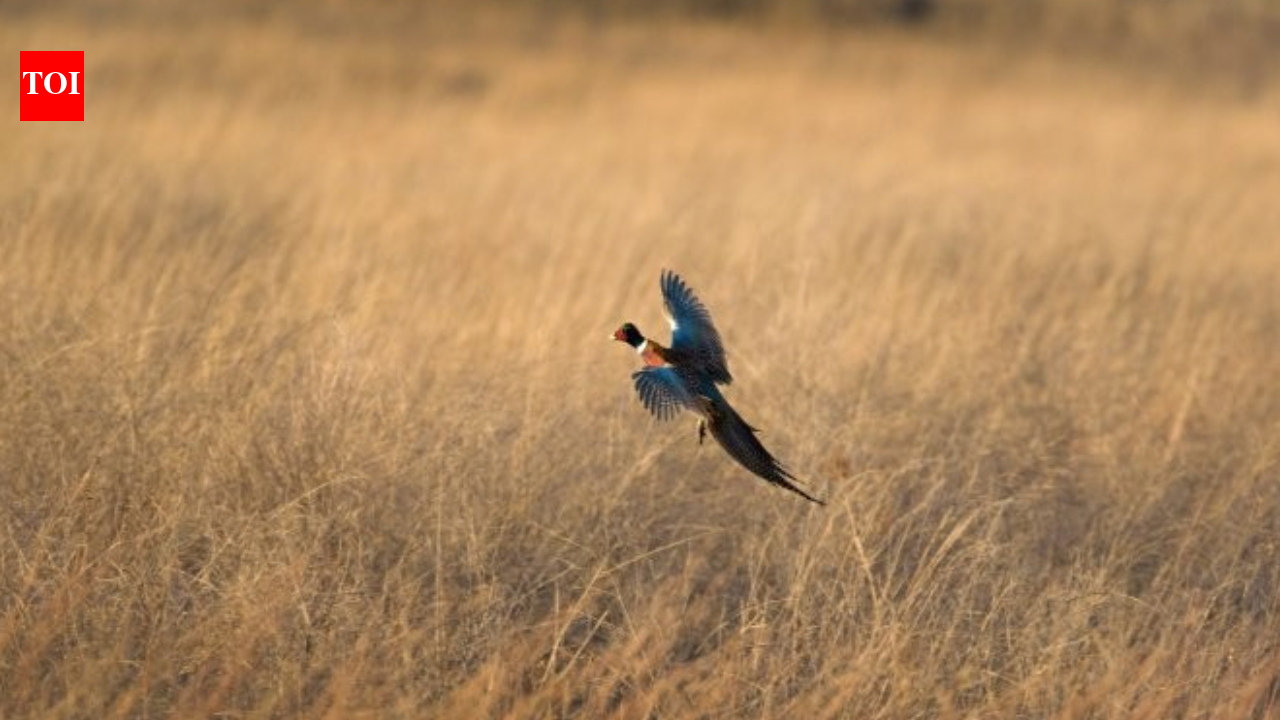
$8M plan to return 7,500 acres of South Dakota cropland to grassland
Full Article
Original Source
Read the full article at Timesofindia →KhanList aggregates and links to publicly available news content. We do not host full articles from third-party sources. Always verify important information with original sources.