
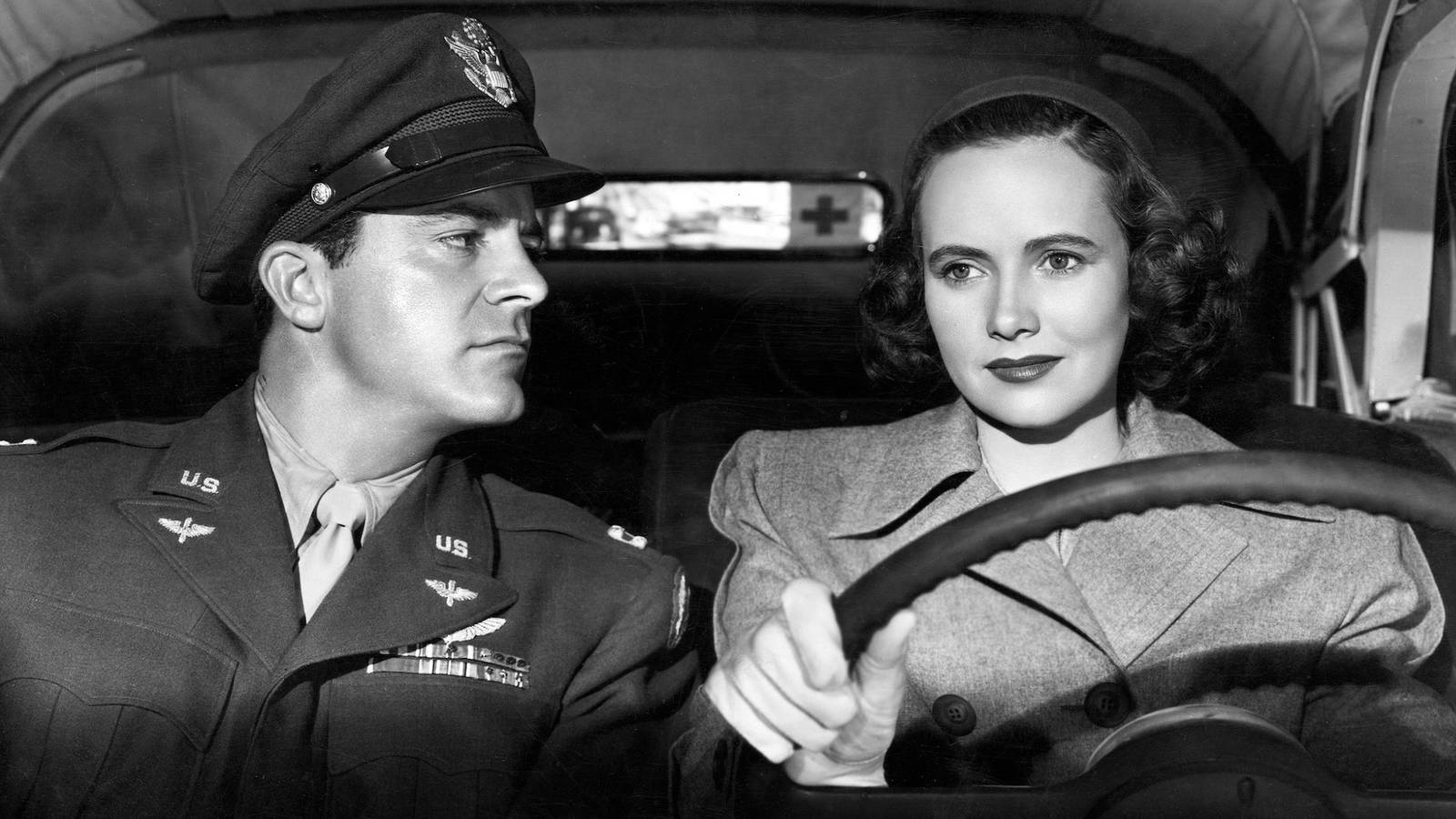
Published Oct 25, 2026, 6:26 PM EDT Richard Craig is a Senior Author at Screen Rant covering film and TV. Richard has also written extensively about horror and film soundtracks, contributing a chapter to the first major academic collection on the folk horror genre, The Routledge Companion to Folk Horror. Richard is also a performing musician and holds an MA in Music and Sound Art. One of the greatest World War II movies ever made has made its way onto multiple streaming platforms 80 years after its release. The greatest war movies aren't necessarily the ones with the biggest battles, the most spectacular explosions, or the most heroic last stands. The most powerful examples are about the human cost. Hollywood has produced countless classics about World War II, from combat adventures celebrating military bravery to harrowing war dramas exposing the horrors of the battlefield. Yet some of the most revealing films about the conflict examine what happens after victory. These stories can be particularly affecting because they explore a side of wartime history that triumphant celebrations often overlook. Veterans must learn to live with their experiences, families must adjust to unfamiliar versions of their loved ones, and communities must confront their responsibilities to the people who served them. William Wyler's The Best Years of Our Lives tackled these issues with remarkable sensitivity just months after the war ended. Released in 1946, it became a major box-office success, collected multiple Academy Awards, and established an enduring standard for dramas about returning servicemen. Eight decades later, its humane perspective remains as compelling as ever. The Best Years Of Our Lives Is A Different Kind Of WW2 Movie The Best Years of Our Lives follows three American servicemen returning to their Midwestern hometown after World War II. Al Stephenson (Fredric March), an Army sergeant, must reconnect with his wife, Milly (Myrna Loy), and children after years away. Air Force bombardier Fred Derry (Dana Andrews) struggles with a troubled marriage to his wartime bride, Marie (Virginia Mayo), and finds his civilian job prospects disappointingly limited. Navy veteran Homer Parrish (Harold Russell), meanwhile, returns home after losing both hands during the war. Rather than centering on combat missions or battlefield heroics, The Best Years of Our Lives examines how military service has changed these men and the people waiting for them. Al's drinking becomes a concern, Fred's wartime experiences haunt his prospects, and Homer fears that his disability will permanently alter his relationships, particularly with his girlfriend, Wilma (Cathy O'Donnell). Homer's storyline is especially affecting because Russell was himself a former paratrooper who lost both hands in a training accident. His performance brings an extraordinary authenticity to the character's everyday challenges, including his use of specially adapted prosthetic hooks. The focus on these personal struggles makes it a striking alternative to more conventional war epics. Its heroes have survived the conflict, but The Best Years of Our Lives recognizes that survival is only the beginning of their journey. The Best Years Of Our Lives' Release Makes It More Impactful The film's historical context is essential to understanding its emotional power. Released in 1946, it arrived just over a year after Germany's surrender in May 1945 and Japan's surrender in August, when millions of American servicemen were still being discharged and attempting to rebuild their civilian lives. The production began filming in April 1946, meaning its story reached audiences while the challenges it depicted remained immediate realities. The film wasn't looking back at a distant historical period; it addressed the anxieties of families and veterans experiencing the transition themselves. Director Wyler also brought personal experience to the subject. He had served during the war, directing the documentary Memphis Belle: A Story of a Flying Fortress (1944), and returned to filmmaking after his military service. His decision to use black-and-white cinematography helped give the drama a documentary-like appearance, reinforcing its connection to contemporary life. The casting of Russell was equally significant. His real-life disability meant the film could portray a wounded veteran's experiences without relying on conventional Hollywood illusion. His performance earned him the Academy Award for Best Supporting Actor, alongside a special Oscar recognising his contribution to bringing hope and courage to fellow veterans. The Best Years Of Our Lives would win a total of nine Academy Awards, including Best Motion Picture, Best Director, Best Actor, and Best Screenplay. The Best Years of Our Lives’ reception demonstrated that audiences were ready for this more sober perspective. Despite its nearly three-hour runtime, it became the highest-grossing movie of the 1940s. The Best Years Of Our Lives Still Holds Up Today Eighty years after its release, The Best Years of Our Lives is still remarkably relevant because its central concerns extend beyond one conflict. Veterans returning from war still face questions of identity, disability, employment, and mental health, while their families must learn how to live with changes that cannot simply be reversed. The treatment of psychological trauma is particularly notable. Fred's difficulties adjusting to civilian life reflect the lingering effects of combat, while Al's increasing reliance on alcohol exposes another way that wartime experiences can follow servicemen home. Although modern terminology around post-traumatic stress disorder developed later, The Best Years of Our Lives acknowledges the emotional consequences of war without reducing its characters to simple diagnoses. Its technical achievements also remain impressive. Cinematographer Gregg Toland, celebrated for Citizen Kane (1941), uses deep-focus photography to give scenes a naturalistic quality, allowing viewers to observe several characters within the same frame. Combined with Wyler's understated direction, this approach encourages audiences to pay attention to the characters' reactions rather than relying on melodramatic speeches. The Best Years Of Our Lives Is Free On Multiple Platforms For viewers interested in discovering this classic, The Best Years of Our Lives is available free through several streaming services in the United States. According to JustWatch, options include YouTube Free, Tubi, Plex, Pluto TV, Kanopy, Hoopla, and Fawesome, Amazon Prime, and many more. It is also available to rent from AppleTV and other similar streaming sites. The Best Years Of Our Lives runs approximately 171–182 minutes, depending on the listing, so viewers should set aside a substantial evening to appreciate it properly. It’s certainly worth the commitment though – with a highly compelling main cast and cinematography, The Best Years Of Our Lives is among the greatest World War II movies ever made. Release Date December 25, 1946 Runtime 171 Minutes Director William Wyler Cast Fredric March Al Stephenson Writers MacKinlay Kantor, Robert E. Sherwood
80 Years Later, One Of The Greatest WW2 Movies Ever Is Waiting To Be Discovered On Free Streaming
Full Article
Original Source
Read the full article at Screenrant →KhanList aggregates and links to publicly available news content. We do not host full articles from third-party sources. Always verify important information with original sources.