
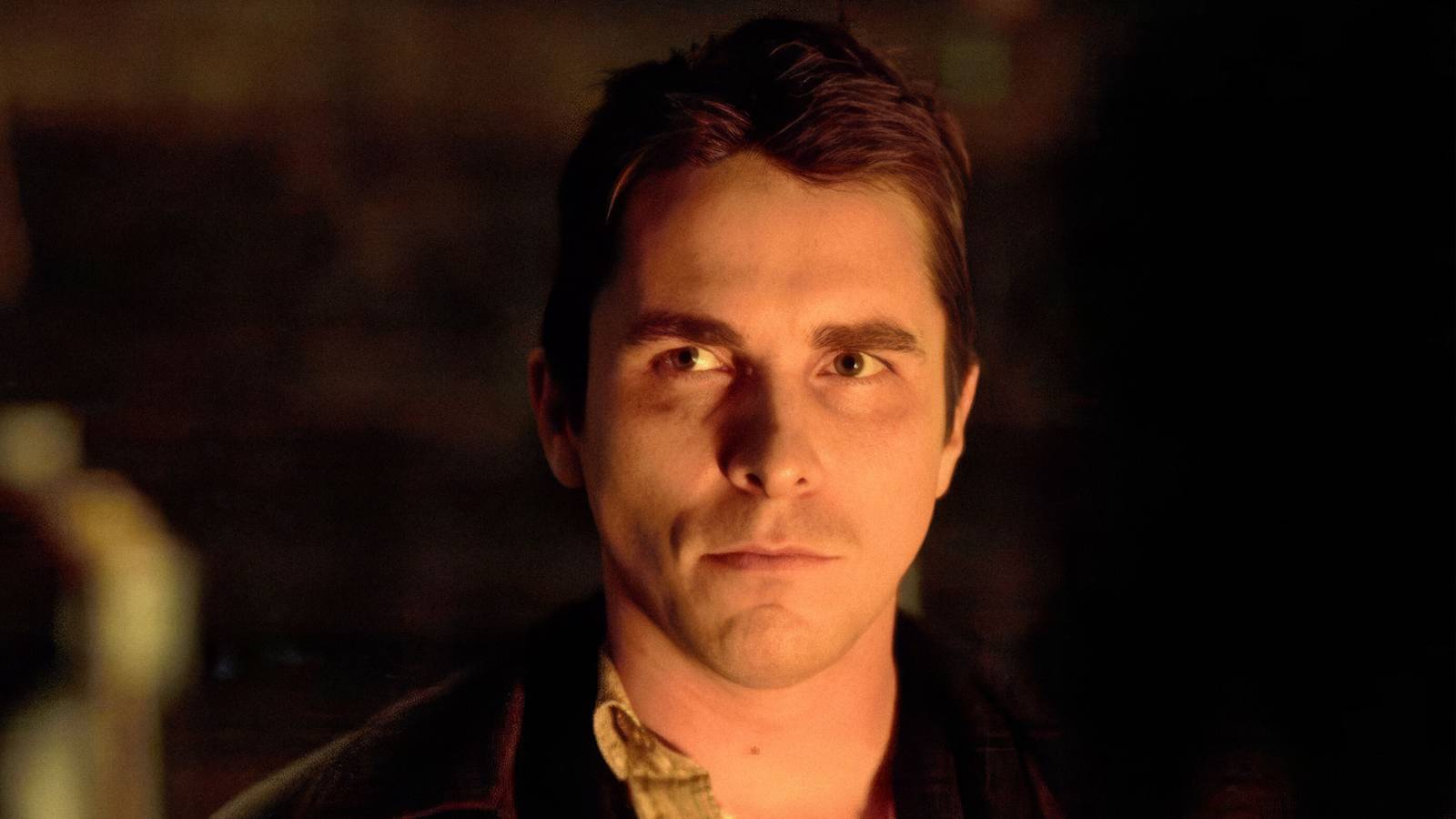
Image via Walt Disney Studios Motion Pictures Published Nov 22, 2026, 11:49 PM EST Michael Block is a 14 time GLAM Award nominated writer, producer, and host of the podcast Block Talk. Throughout his time in the entertainment industry, he has worked on and off Broadway as a stage manager, written several produced plays, critiqued hundreds of theatrical performances, drag and cabaret shows, and has produced events randing from drag competitoons to variety concerts! On Block Talk, he interviews nightlife personalities, covers the wide world of entertainment through features, ranking episodes, and recaps ALL of Drag Race, as well as Dragula and Survivor. He has interviewed hundreds of RuGirls that span the globe at DragCon NYC, DragCon LA, and DragCon UK. In his free time, he makes one-of-a-kind jewelry and gift baskets with his mom. He is a proud member of the LGBTQ+ community. Sign in to your Collider account Audiences seek movies as a temporary escape from reality, yet they challenge their minds and send a tingle down their spines. A good thriller triggers a cinematic fight-or-flight from the safety of your seat. They get to play along, becoming active participants as they try to outsmart the plot, crack the mystery, or guess the villain's motives before the reveal. Some great thrillers start off strong but end with a whimper. Then there are those that become legendary masterpieces within the final 30 minutes. From shocking twists you never saw coming to terrifying revelations that reshape the entire narrative, these 10 thriller films leave a lasting impression long after the final credits roll. 'Gone Girl' (2014) Image via 20th Century Studios Directed by David Fincher and written by Gillian Flynn, Gone Girl became the definitive domestic psychological thriller. The story follows Nick Dunne (Ben Affleck) as he becomes the prime suspect in the sudden disappearance of his wife, Amy (Rosamund Pike), on their fifth wedding anniversary. As the police and media circus close in, a series of dark twists reveals that neither spouse is who they appear to be, exposing a deeply toxic and manipulative marriage. Rather than ending with a neat resolution, the climax traps the characters in a dark, satirical commentary on modern marriage and media manipulation. Amy’s return home isn't a relief; it is a life sentence for Nick. By using her pregnancy to lock him into the marriage, Amy ensures total control, turning the happy ending into a satire. Gone Girl's final minutes expose their marriage as a performance, with both partners actively playing a role for public consumption, while Trent Reznor and Atticus Ross' score provides a false sense of calm. 'Mulholland Drive' (2001) Image via Universal Pictures David Lynch's masterpiece Mulholland Drive is a gem from the start of the 21st century. The surreal thriller follows an aspiring actress, Betty (Naomi Watts), who helps an amnesiac woman, Rita (Laura Harring), piece together her identity after a car crash in Los Angeles. The story fractures into a dark, dreamlike puzzle that blurs the line between Hollywood fantasy and a tragic, guilt-ridden reality. In the final 30 minutes, Lynch transforms the movie from a strange neo-noir mystery into a devastating psychological portrait, turning a surreal thriller into a raw, heartbreaking tragedy about loneliness and self-destruction. The pastel glamour is ripped away to reveal the raw, grim reality of Diane Selwyn, a depressed, failed actress consumed by jealousy, unrequited love, and crushing guilt. Lynch reframes the entire movie as a study of how people use romantic illusions, denial, and fantasy to escape personal failure and moral decay. 'Oldboy' (2003) Image via Show East Directed and co-written by Park Chan-wook, the South Korean action thriller Oldboy follows Oh Dae-su (Choi Min-sik), who, after being mysteriously kidnapped and imprisoned in a single room for 15 years, is suddenly released and given five days to track down his captor and uncover the motive behind his torment. His quest for vengeance leads him down a dark path of shocking revelations and devastating secrets. A truly diabolical story, Oldboy transforms a brutal revenge thriller into an epic tragedy, shifting the story from physical violence to total psychological devastation. Dae-su fights through conspiracies and brutal hand-to-hand corridors, expecting a typical action-hero resolution: the hero kills the villain and wins. Instead, we have something far more twisting and crueler. In the final snowy sequence, the lingering, ambiguous look on the protagonist's face shows that trauma cannot simply be excised; instead, it's something one must learn to accept or else be consumed by it. 'Prisoners' (2013) Image via Warner Bros. Pictures In Prisoners, directed by Denis Villeneuve, the story follows Keller Dover (Hugh Jackman) as he desperately searches for his young daughter and her friend after they go missing on Thanksgiving. When Detective Loki (Jake Gyllenhaal) releases the prime suspect, Alex Jones (Paul Dano), for lack of evidence, Dover takes matters into his own hands, pushing moral boundaries as a dedicated detective races against time to solve the mystery. The grim, gripping drama unravels as the complex moral framework builds to an intense, clock-ticking climax that recontextualizes everything that came before. After a series of wrong choices, Keller is trapped in the secret pit—the very place his daughter was kept, forced to face the literal and spiritual hole he dug for himself. Loki stands in the freezing cold, hearing the faint sound of Anna’s red whistle from the ground, leaving Keller’s rescue uncertain. With a perfectly ambiguous ending, we are left to decide whether he deserves salvation after the atrocities he committed. 'Se7en' (1995) Image via New Line Cinema Few films elicit guttural reactions quite like Se7en. Directed by David Fincher, the psychological crime drama follows two homicide detectives, William Somerset (Morgan Freeman), a veteran nearing retirement, and David Mills (Brad Pitt), his new, hot-headed partner, as they track a meticulous serial killer (Kevin Spacey), who uses the seven deadly sins as motifs for his gruesome murders. Se7en becomes an exceptionally dark police procedural by subverting classic Hollywood tropes, shifting power psychologically, and delivering a devastatingly bleak moral conclusion. John Doe turns himself in, halting the “catch the killer” momentum. Thrust into a bright, vast, and barren desert landscape under harsh daylight, the protagonists are exposed as Doe dominates the action. The movie ends with the antagonist successfully completing his horrific masterpiece, leaving the audience with an overwhelming sense of dread. 'The Departed' (2006) Image via Warner Bros. Pictures Scorsese’s crime thriller The Departed follows Billy Costigan Jr. (DiCaprio), an undercover cop who infiltrates an Irish gang, and Colin Sullivan (Matt Damon), a mole within the police department who secretly works for the gang's kingpin. Both sides eventually realize a traitor lurks in their ranks, sparking a deadly, high-stakes race for each man to uncover the other's identity before his own is exposed. In the final thirty minutes, The Departed delivers a relentless, breathless cascade of subversion, consequences, and brutal payoffs. Right when audiences expect a traditional cinematic confrontation between Costigan and Sullivan, the movie pulls the rug out. Sergeant Dignam (Mark Wahlberg) acts as a silent instrument of pure karma, delivering a deeply satisfying yet bleakly cynical conclusion. The final, poetic shot of a literal rat scurrying across Sullivan's balcony acts as punctuation: corruption is foundational, the system is deeply broken, and the cycle of duplicity survives long after the players are dead. 'The Prestige' (2006) Image via Warner Bros. The Prestige may be one of Christopher Nolan's most quintessential films. Set in 19th-century London, the story centers on two rival stage magicians, Robert Angier (Jackman) and Alfred Borden (Christian Bale), who engage in a bitter, obsessive feud to create the ultimate illusion. Their fierce competition escalates into a dangerous game of sabotage and deceit, costing them everything they hold dear. Established as a magic trick, the film’s final act executes a perfect structural "Prestige"—the final stage of a magic trick where everything hidden is dramatically revealed. The opening monologue by Cutter (Michael Caine) explaining the Pledge, the Turn, and the Prestige is the blueprint for the entire film. Ultimately, as they try to destroy each other, Borden loses his brother and the woman he loved, while Angier loses his humanity entirely. The Prestige is a brilliant revenge thriller with an unforgettable gut-punch of an ending. 'The Usual Suspects' (1995) Image via Gramercy Pictures Directed by Bryan Singer, The Usual Suspects follows five criminals who meet during a routine police lineup and plan a heist, only to be blackmailed by a mysterious, legendary crime lord named Keyser Söze. The entire story is told through the interrogation and flashbacks of the sole survivor of a subsequent, bloody boat explosion, Verbal Kint (Spacey). The final revelation remains one of cinema's greatest endings, reconfiguring the thriller into a masterclass in psychological manipulation and the malleability of truth. The final sequence reveals that Verbal fabricated the entire story on the spot using random objects sitting on Kujan's office bulletin board and desk. As Verbal walks out of the precinct, drops his limp, and lights a cigarette, the film cuts back through the previous 90 minutes. Every little aspect here is designed to mislead. Verbal played the part so effectively that the hunter sat across from the devil the whole time without ever noticing. The Usual Suspects Release Date July 19, 1995 Cast Gabriel Byrne, Stephen Baldwin, Benicio Del Toro, Kevin Pollak, Kevin Spacey, Chazz Palminteri, Pete Postlethwaite, Suzy Amis, Giancarlo Esposito, Dan Hedaya, Paul Bartel, Carl Bressler, Phillipe Simon, Jack Shearer, Christine Estabrook, Clark Gregg, Morgan Hunter, Ken Daly, Michelle Clunie, Louis Lombardi, Frank Medrano, Ron Gilbert, Vito D'Ambrosio, Gene Lythgow, Bob Elmore Runtime 106 minutes Director Bryan Singer Writers Christopher McQuarrie
8 Thrillers That Become Masterpieces in the Last 30 Minutes
Full Article
Original Source
Read the full article at Collider →KhanList aggregates and links to publicly available news content. We do not host full articles from third-party sources. Always verify important information with original sources.