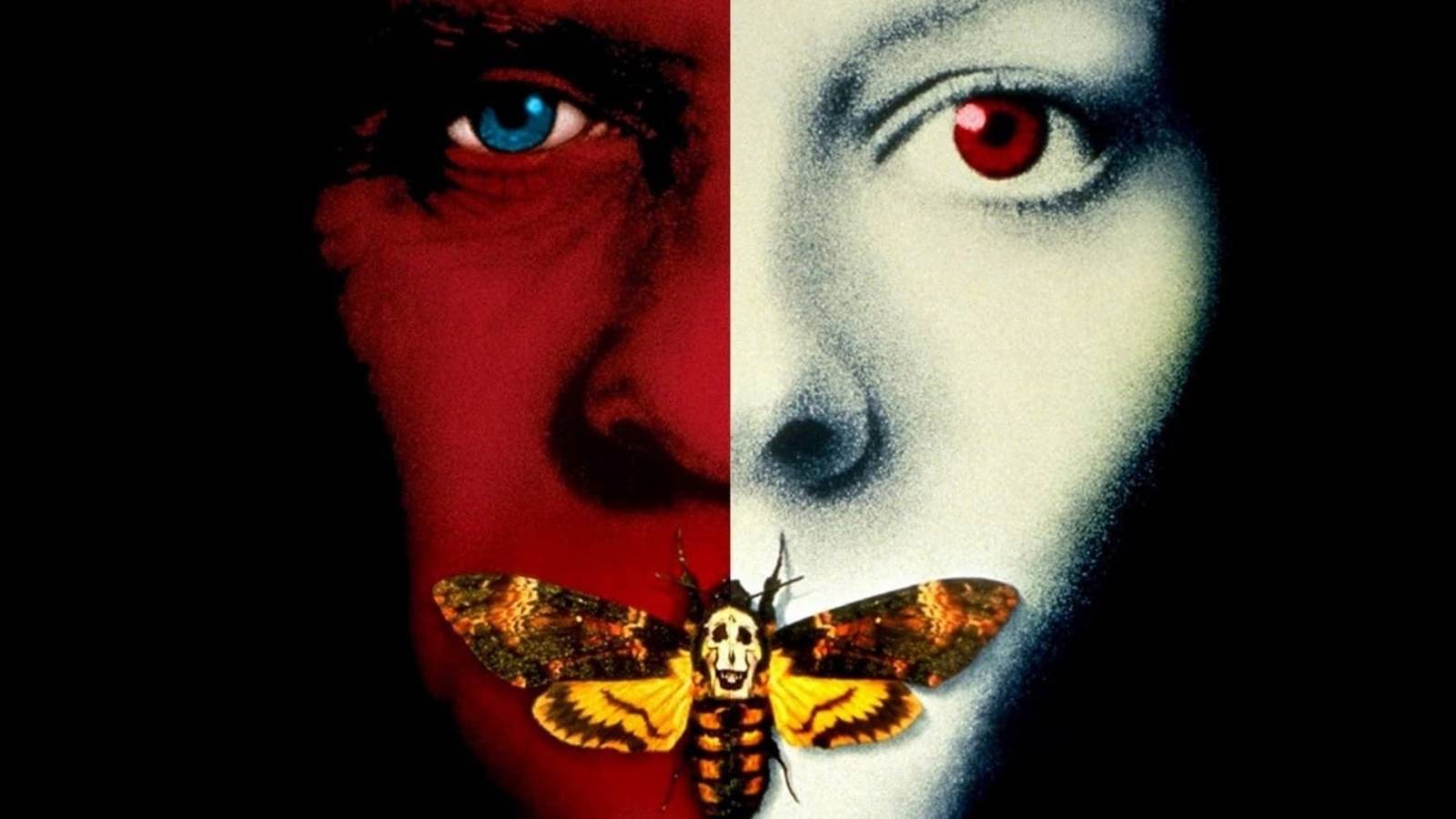
Image via Orion Pictures Published Jul 29, 2026, 8:17 PM EDT Sign in to your Collider account Thrillers can fool readers with speed. Hide one fact, delay one reveal, add a killer, and the pages will probably turn. A masterpiece has a harder job. The tension has to survive after the secret is known, and the characters must stay interesting after the danger passes. That is the standard here. Every book on this list can be reread without losing its grip. The shock may change, but the psychology, fear, moral pressure, and human damage become clearer. These are stories people finish quickly and continue thinking about for years. That’s also perhaps why most of these were later adapted into books as well. 8 'The Day of the Jackal' (1971) Image via Penguin The Day of the Jackal should have no suspense. Frederick Forsyth is writing about a fictional attempt to assassinate Charles de Gaulle, and readers already know de Gaulle was never killed. Forsyth turns that limitation into the smartest part of the book. The question shifts from whether the Jackal succeeds to how close an unknown professional can get before the French authorities identify him. The preparation is incredibly detailed without becoming lifeless. The assassin builds false identities, commissions a custom weapon, changes his appearance, studies security, and removes anyone who threatens the plan. On the other side, investigator Claude Lebel has almost no useful description and a deadline that keeps shrinking. Forsyth respects procedure enough to make paperwork, border checks, phone calls, and hotel records genuinely tense. The Jackal remains frightening since he treats murder as a technical assignment rather than a personal cause. You understand every step he takes, yet you never really know him. That distance makes the hunt colder and much harder to shake. 7 'Shutter Island' (2003) Image via William Morrow/ Abacus Books / Little, Brown Most twist-driven novels become smaller once the answer is revealed. Shutter Island becomes crueler. U.S. Marshal Teddy Daniels arrives at Ashecliffe Hospital in 1954 to investigate the disappearance of patient Rachel Solando. A hurricane cuts the island off, the staff answer questions carefully, and Teddy suspects that the hospital is conducting experiments on people who cannot defend themselves. Dennis Lehane lets Teddy’s investigation operate as both detective story and personal escape. His memories of Dachau, grief over his wife Dolores, anger toward the doctors, and obsession with a patient named Andrew Laeddis all influence what he sees. The clues are real, but Teddy has arranged them into a version of events he can survive. That is much more painful than a cheap reveal. The doctors are also divided over treatment, punishment, and whether a damaged mind can be reached without violence. Once the truth is known, every earlier conversation changes. The staff were never hiding only one secret. They were trying to find out whether Teddy could face his own life. 6 'Misery' (1987) Image via Viking In Misery, Stephen King traps bestselling novelist Paul Sheldon in a farmhouse with Annie Wilkes, the nurse who rescued him after a car accident. Paul initially thinks he has been saved. Then Annie reads his latest book, learns that he killed off her beloved character Misery Chastain, and decides that he owes her a new novel. Annie is terrifying since her violence comes with rules that change whenever she needs them to. She calls herself Paul’s number-one fan, but she has no interest in Paul as a human being. She wants ownership over his imagination. The captivity also forces Paul to confront his own contempt for the books that made him successful. Writing becomes survival, punishment, and eventually a source of control. King understands the physical misery of the room too. Paul’s injuries, painkillers, thirst, typewriter, hidden pills, and attempts to move around the house make every small decision dangerous. Annie later amputates his foot, and even that horror does not end the deeper fight. Paul has to finish a story for the person destroying him and somehow keep part of it for himself. 5 'The Girl with the Dragon Tattoo' (2005) Image via Norstedts Förlag The Girl with the Dragon Tattoo follows Harriet Vanger who vanished from a family gathering decades ago, and her uncle Henrik still receives a pressed flower every year on his birthday. He believes her killer is taunting him. Disgraced journalist Mikael Blomkvist accepts the investigation, partly to escape the damage caused by his libel conviction. Lisbeth Salander enters from another direction, first hired to investigate Mikael before becoming the person he needs most. Stieg Larsson takes his time connecting the Vanger mystery to corporate corruption, misogyny, financial crime, and generations of protected violence. That slow build has a purpose. The respectable surfaces of Swedish business and family life begin to look worse with every document Mikael and Lisbeth uncover. Lisbeth is also far more than a brilliant hacker attached to a male detective. Her distrust has been earned through institutional abuse, and her methods come from knowing official systems rarely protect people like her. The investigation succeeds through journalism, research, memory, and technology working together. Then Lisbeth allows herself one small hope outside the case, only to have it crushed. The crime is solved. Her loneliness is not. 4 'Rebecca' (1938) Image via William Morrow Paperbacks, 2006 The first Mrs. de Winter is dead before Rebecca begins, yet the unnamed narrator cannot find a single room at Manderley that seems free of her. She marries Maxim de Winter after a rushed courtship and arrives at his estate painfully aware of her youth, lower social position, and lack of confidence. Everyone appears to know how the new Mrs. de Winter should behave except her. Daphne du Maurier turns insecurity into genuine suspense in this book. Mrs. Danvers protects Rebecca’s memory with frightening devotion and knows exactly how to make the new bride feel like an intruder. Maxim responds to questions with anger or silence, which leaves his wife guessing what kind of marriage she has entered. The later revelations change Rebecca from an idealized dead wife into something far more complicated, but they also expose Maxim in ways romance cannot clean up. The narrator gains confidence while becoming involved in his secrecy. That moral shift is easy to miss if the book is treated only as a Gothic love story. Manderley was never simply haunted by Rebecca. It was built around people choosing which version of her helped them live with themselves. 3 'The Talented Mr. Ripley' (1955) Image via Coward-McCann The Talented Mr. Ripley follows Tom Ripley who wants Dickie Greenleaf’s money, confidence, clothes, friends, and freedom. He also wants Dickie himself in a way Tom cannot separate from envy. When Dickie’s father pays him to travel to Italy and persuade his son to return home, Tom treats the assignment as entry into the life he believes he should have had. Patricia Highsmith puts the reader dangerously close to Tom’s thinking. His lies are quick, his shame is intense, and his ability to copy other people becomes more impressive as his crimes become worse. Dickie’s rejection humiliates him, but murder is never presented as one sudden break from normality. Tom has been studying how to disappear into other identities long before violence becomes necessary. The truly disturbing choice is Highsmith’s refusal to build the story around punishment. Readers start worrying about whether Tom will be exposed, even though exposure would be justice. That uncomfortable loyalty is the whole trap. Tom does terrible things, and Highsmith makes us anxious on his behalf. 2 'Gone Girl' (2012) Image via Phoenix Gone Girl turned a missing-wife plot into one of the nastiest books ever written about marriage. Amy Dunne disappears on her fifth wedding anniversary, and Nick quickly becomes the husband everyone suspects. He lies badly, smiles at the wrong moment, has an affair, and cannot control how television turns his marriage into public entertainment. Then Amy’s account tears up the story readers thought they understood. This is written by Gillian Flynn and she uses the competing narrators to show two people who spent years performing ideal versions of themselves. Amy created the Cool Girl Nick wanted. Nick created the attentive husband Amy expected. Resentment grew once both stopped enjoying the act. Amy’s revenge is extreme, brilliant, cruel, and built around a precise understanding of how gender shapes public sympathy. Nick is a victim of her plan, but he is never rewritten as innocent. The book refuses that easy comfort. They know each other too well, hate each other too deeply, and still find a reason to stay together. Murder would have been a cleaner conclusion. Marriage becomes the real life sentence. 1 'The Silence of the Lambs' (1988) Image via St. Martin's Press Hannibal Lecter gets most of the cultural attention, but Clarice Starling is the reason The Silence of the Lambs belongs at number one. She is still an FBI trainee when Jack Crawford sends her to interview Lecter, hoping the imprisoned psychiatrist can help identify the serial killer known as Buffalo Bill. Lecter immediately notices her accent, cheap shoes, ambition, and discomfort. He understands how badly she wants to escape the life she came from. Thomas Harris makes every conversation between them a contest. Clarice needs information, while Lecter demands personal memories in exchange. She has to remain honest enough to interest him without surrendering control. Outside the cell, Buffalo Bill’s latest victim is still alive, which gives the psychological games a real deadline. Harris also fills the investigation with forensic detail, institutional pressure, sexism, and mistakes that cost time. Clarice earns progress through observation rather than sudden genius. Her fear never disappears, especially when she enters Bill’s house alone. She continues anyway. In a book filled with men who study, test, dismiss, or hunt women, Clarice refuses to become someone else’s object. Collider Exclusive · Oscar Best Picture Quiz Which Oscar Best PictureIs Your Perfect Movie? Parasite · Everything Everywhere · Oppenheimer · Birdman · No Country Five Oscar Best Picture winners. Five completely different visions of what cinema can be — and what it can do to you. One of them is the film that was made for the way your mind works. Ten questions will figure out which one. 🪜Parasite 🌀Everything Everywhere ☢️Oppenheimer 🐦Birdman 🪙No Country for Old Men FIND YOUR FILM → 01 What kind of film experience do you actually want? The best movies don't just entertain — they leave something behind. ASomething that pulls the rug out — that makes me think I'm watching one kind of film and then reveals I'm watching another entirely. BSomething overwhelming — funny, sad, absurd, and genuinely moving, all at once. CSomething grand and weighty — a film that makes me feel the full scale of what I'm watching. DSomething formally daring — a film that pushes what cinema can even do. ESomething lean and relentless — pure tension with no wasted frame. NEXT QUESTION → 02 Which idea grabs you most in a film? Great films are driven by a central obsession. What's yours? AClass, inequality, and what people are willing to do when desperation meets opportunity. BIdentity, family, and the chaos of trying to hold your life together when everything is falling apart. CGenius, moral responsibility, and the catastrophic weight of a decision you can never take back. DEgo, legacy, and the terror of becoming irrelevant while you're still alive to watch it happen. EEvil, chance, and whether moral order actually exists or if we just tell ourselves it does. NEXT QUESTION → 03 How do you like your story told? Form is content. The way a story is shaped changes what it means. AGenre-twisting — I want it to start in one lane and migrate into something completely different. BMaximalist and genre-blending — comedy, action, drama, sci-fi, all in one ride. CEpic and non-linear — cutting between timelines, building a mosaic of cause and consequence. DA single unbroken flow — I want to feel like I'm living it in real time, no cuts to safety. ESpare and precise — every scene doing exactly what it needs to do and nothing more. NEXT QUESTION → 04 What makes a truly great antagonist? The opposition defines the protagonist. What kind of opposition fascinates you? AA system — invisible, structural, and almost impossible to fight because it has no single face. BThe self — the ways we sabotage, abandon, and fail the people we love most. CHistory — the unstoppable momentum of events that no single person can stop or redirect. DThe industry — the machinery of culture that chews up talent and spits out irrelevance. EPure, implacable evil — a force so certain of itself it becomes almost philosophical. NEXT QUESTION → 05 What do you want from a film's ending? The final note is the one that lingers. What do you want it to sound like? AShock and inevitability — a conclusion that recontextualises everything that came before it. BEarned emotion — I want to cry, laugh, and feel genuinely hopeful, even if the world is a mess. CDevastation and grandeur — an ending that makes me sit in silence for a few minutes after. DAmbiguity — something that leaves enough open that I'm still thinking about it days later. EBleakness — an honest refusal to pretend the world is tidier than it actually is. NEXT QUESTION → 06 Which setting pulls you in most? Where a film takes place shapes everything — mood, stakes, what's even possible. AA gleaming modern city with a hidden underside — beauty masking rot, wealth masking desperation. BA collapsing suburban life that opens onto something infinite — the multiverse of a single ordinary person. CThe corridors of power and science at a world-historical turning point — where decisions echo for decades. DThe grimy, alive chaos of New York and Hollywood — fame as both destination and trap. EVast, indifferent landscape — desert and highway where violence arrives without warning or reason. NEXT QUESTION → 07 What cinematic craft impresses you most? Every great film has a signature — a technical or artistic element that makes it unmistakable. AProduction design and mise-en-scène — every frame composed to carry meaning beneath the surface. BEditing and tonal control — the ability to move between registers without losing the audience. CScore and sound design — music that becomes inseparable from the dread and awe of what you're watching. DCinematography as performance — the camera not recording events but participating in them. ESilence and restraint — what's left unsaid and unshown doing more work than any dialogue could. NEXT QUESTION → 08 What kind of main character do you root for? The protagonist is the lens. Who you choose to follow says something about you. ASomeone smart and resourceful who makes increasingly dangerous decisions under pressure. BSomeone overwhelmed and ordinary who turns out to be capable of something extraordinary. CA brilliant, tortured figure whose gifts and flaws are inseparable from each other. DA self-destructive artist whose ego is both their superpower and their undoing. EA quiet, principled person trying to make sense of a world that has stopped making sense. NEXT QUESTION → 09 How do you feel about a film that takes its time? Pace is a choice. Some films sprint; others let tension accumulate slowly, deliberately. AI love a slow build when I know the payoff is going to be seismic — patience for a devastating reveal. BGive me relentless momentum — I want to feel breathless and emotionally spent by the end. CEpic runtime doesn't scare me — if the material demands three hours, give me three hours. DI want it to feel propulsive even when nothing is technically happening — restless energy throughout. EDeliberate and unhurried — I want dread to accumulate in the spaces between the action. NEXT QUESTION → 10 What do you want to feel walking out of the cinema? The best films leave a mark. What kind of mark do you want? AUnsettled — like I've just seen something I can't fully explain but can't stop thinking about. BMoved and energised — like the film reminded me what actually matters and gave me something to hold onto. CHumbled — like I've been in the presence of something genuinely important and overwhelming. DExhilarated — like I've just seen cinema doing something it's never quite done before. EHaunted — like a cold, quiet dread that stays with me for days. REVEAL MY FILM → The Academy Has Decided Your Perfect Film Is…Your answers have pointed to one Oscar Best Picture winner above all others. This is the film that was made for the way your mind works. ParasiteYou are drawn to films that operate on multiple levels simultaneously — that begin in one genre and quietly, brilliantly migrate into another. Bong Joon-ho's Parasite is a film about class, desire, and the architecture of inequality that manages to be darkly funny, deeply suspenseful, and genuinely shocking across a single extraordinary running time. Your instinct is for cinema that hides its true intentions until the moment it's ready to reveal them. Parasite is exactly that — a film that rewards close attention and punishes assumptions, right up to its devastating final image. Everything Everywhere All at OnceYou want it all — and this film gives you all of it. The Daniels' Everything Everywhere All at Once is one of the most maximalist films ever made: action comedy, multiverse sci-fi, family drama, existential crisis, and a genuinely earned emotional core that sneaks up on you amid the chaos. You are someone who responds to ambition, who doesn't want cinema to choose between being entertaining and being meaningful. This film refuses that choice entirely. It is overwhelming by design, and its overwhelming nature is precisely the point — because the feeling of being crushed by infinite possibility is exactly what it's about. OppenheimerYou are drawn to cinema on a grand scale — films that understand history not as a backdrop but as a force, and that place their characters inside that force and watch what happens. Christopher Nolan's Oppenheimer is a film about the terrifying gap between what we can do and what we should do, told with the full weight of one of the most consequential moments in human history behind it. You want your films to feel important without feeling self-important — to earn their ambition through sheer craft and the gravity of their subject. Oppenheimer does exactly that. It is enormous, complicated, and refuses easy comfort. BirdmanYou are drawn to films that foreground their own construction — that make the how of the filmmaking part of the what it's about. Alejandro González Iñárritu's Birdman, shot to appear as a single continuous take, is cinema examining itself through the cracked mirror of a fading actor's ego. You respond to formal daring, to the feeling that a film is doing something that probably shouldn't be possible. Michael Keaton's performance and Emmanuel Lubezki's restless camera create something genuinely unlike anything else — a film that is simultaneously about creativity, relevance, self-destruction, and the impossibility of ever truly knowing if your work means anything at all. No Country for Old MenYou are drawn to cinema that trusts silence, that refuses to explain itself, and that treats dread as a form of meaning. The Coen Brothers' No Country for Old Men is a film about the arrival of a new kind of evil — implacable, arbitrary, and utterly indifferent to the moral frameworks we use to make sense of the world. It is one of the most formally controlled films ever made, and its controlled restraint is what makes it so terrifying. You want your films to haunt you, not comfort you. You are not interested in resolution if resolution would be dishonest. No Country for Old Men is honest in a way that most cinema never dares to be. ↻ RETAKE THE QUIZ
8 Thriller Books That Can Be Called Masterpieces
Full Article
Original Source
Read the full article at Collider →KhanList aggregates and links to publicly available news content. We do not host full articles from third-party sources. Always verify important information with original sources.