
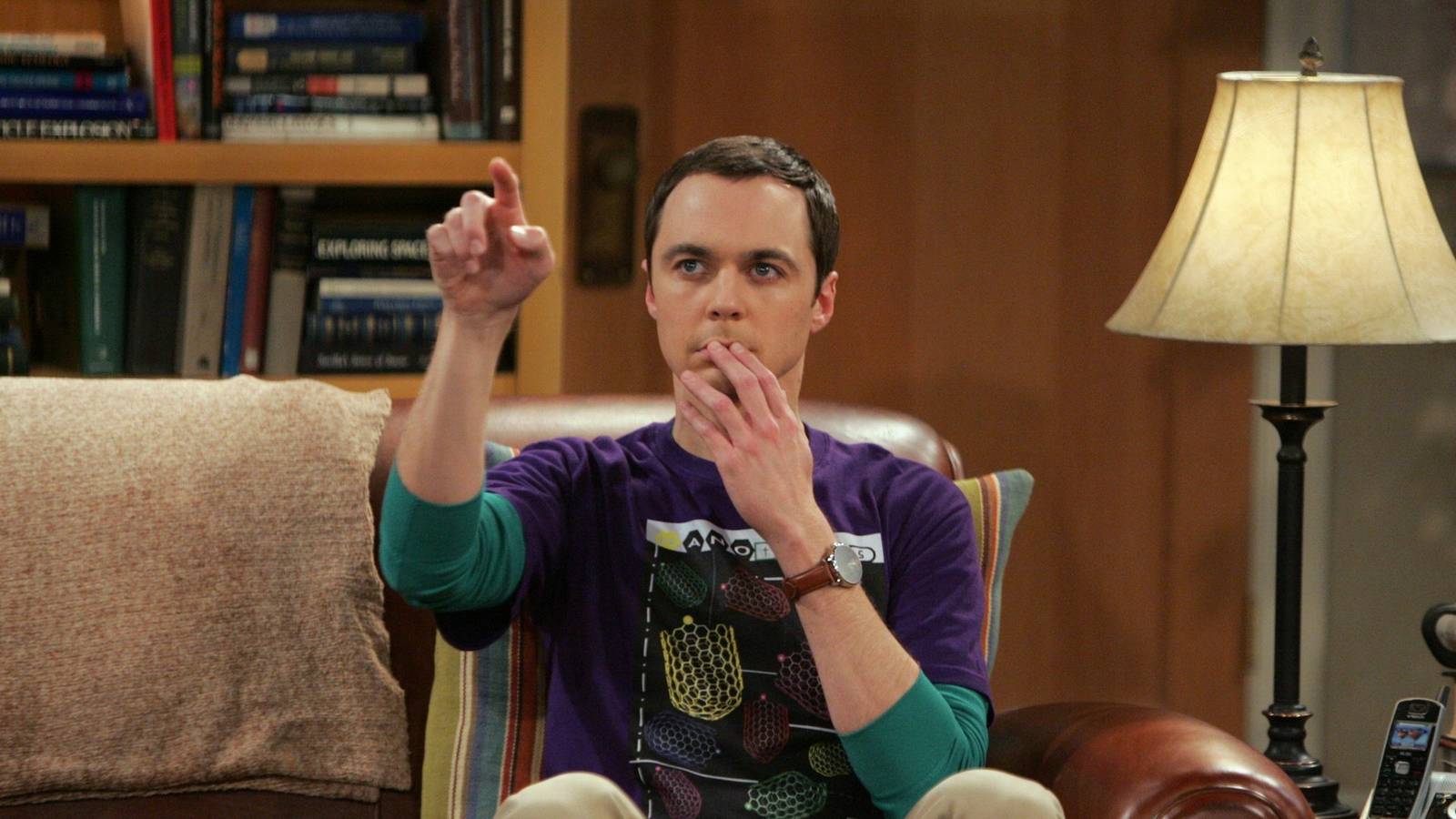
Published Sep 30, 2026, 5:30 PM EDT Mary Kassel is a Senior Writer & Critic who joined the Screen Rant team in 2023. After graduating from Emerson College with a degree in Media Arts Production, Kassel started at Screen Rant with a focus on the critical analysis side of movies and television while continuing to work on set in film production. At Screen Rant, Kassel primarily writes for the Classic TV section, mining their encyclopedic knowledge of television history for content. However, they also contribute to the Books team and review both film and television as a critic. Love them or hate them, sitcoms are a large part of the television landscape. The hit sitcoms of the 2000s did a lot to define the genre and push it into its next iteration in the 21st century. The best sitcom episodes aren't just funny. They connect with the audience on a deeper, emotional level. However, like all pieces of media, these TV shows have their problems, and the standards for what audiences expect from television have changed. Whether they're workplace sitcoms people should remember or series rooted in family dynamics (and dysfunctions), these sitcoms bring a lot to the table. Watching them now just might make the viewer cringe every now and then. Most often, it's the content and tone of the storylines and punchlines that are the most obviously dated. By making jokes at the expense of certain groups, these series can come across as behind the times and hurtful. Additionally, sometimes it's the structure and plot points that quickly demonstrate how much time has passed since these shows premiered. Compared to contemporary series, these works can rely on tropes and feel unoriginal. Despite these issues, some of these shows are the best sitcoms that everyone should watch because of their contributions to the genre and continued cultural relevance. The Big Bang Theory (2007–2019) Image via CBS The Big Bang Theory might have started as a small sitcom about a group of scientists and their beautiful neighbor, but the franchise has turned into a lot more than that. Hugely popular to this day, The Big Bang Theory is still in the cultural zeitgeist, making it easy to reflect on what worked and what didn't. Namely, the series' central male characters were written to objectify their female counterparts more often than not. Fortunately, The Big Bang Theory franchise has recently had the chance to return to screens and remind audiences why the series was such a hit in the first place. In the recent spin-off Stuart Fails to Save the Universe, it's been a treat watching familiar faces return to the show's universe and poke fun at some of the more dated aspects of the original series. My Wife And Kids (2000–2005) MY WIFE AND KIDS, (Letting Go), Tisha-Campbell-Martin, Damon Wayans and Jennifer Freeman. 2001-2005 Damon Wayans leads My Wife and Kids, and though his character, Michael, isn't perfect, he's still charming today. Despite the charisma of Wayans and the central cast, My Wife and Kids does have its problems when compared to more recent sitcoms. Following the classic misadventures of a suburban family, My Wife and Kids sometimes dumbs down the younger characters, feeding into stereotypes about teenagers of the 2000s. Additionally, My Wife and Kids didn't end up having the same longevity as similar programs. Relying heavily on the same pitfalls of the family dynamic, My Wife and Kids failed to evolve and reinvent itself in the later seasons. This makes the characters feel stagnant and draws some criticism. There were even characters, like Michael Jr. (George O. Gore II), who fell victim to the sitcom pitfall of becoming less developed as the show progressed. Two And A Half Men (2003–2015) It isn't just the iffy jokes and stereotypes that make Two and a Half Men seem dated today, but the overall arc of the series. The show relied on imperfect characters, and this is where many of the best jokes came from. However, the misogynistic humor that the series used many times doesn't age well, even if it's meant to point to the characters' flaws. Despite this, there's still some laughs to be found in the show, though its ending also hurts its legacy. Charlie Sheen's Two and a Half Men exit has gone down in sitcom history as one of the hardest character departures for a series to come back from. It's safe to say that the episodes without Sheen aren't the same. As Two and a Half Men progressed, the series faced additional problems, including plot holes and some jump-the-shark moments, like Charlie's extreme fate in the series finale, which saw a piano fall on his head. This felt like a strange tonal note for such a long-running series to end on. How I Met Your Mother (2005–2014) MovieStillsDB The legacy of a beloved series like How I Met Your Mother is complicated, especially when looking back at the show today. There's no question that this series deserves its popularity and place among some of the most famous sitcoms of the 21st century. Despite this, loving How I Met Your Mother means accepting its flaws. There's no ignoring that the blatantly problematic treatment of women, predominantly white cast, and unfair jokes are part of the show's legacy. The harsh realities of How I Met Your Mother season 1 are some of the most obvious examples of what's wrong with the show's early episodes. However, as the seasons progressed, How I Met Your Mother evolved with the times, and its more dated elements did begin to fade into the background. The show became more critical of Barney's treatment of women, and further explored its own biases, even if it was still far from perfect. According To Jim (2001–2009) ©Touchstone Television / courtesy Everett Collection One of the most familiar elements of any family-oriented sitcom is setting the show in a suburb and exploring the ups and downs of a nuclear family unit. According to Jim is no exception, as Jim and his wife Cheryl (Courtney Thorne-Smith) play out some dated storylines when it comes to their relationship. Looking back on Jim's character today might make some viewers turn the series off, as Jim falls into some of the worst stereotypes of an underachieving partner. Of course, According to Jim is poking fun at these dynamics, not uplifting them. However, Cheryl's long suffering, and what seems at times like Jim's genuine dislike of her, can be difficult to watch. This can be applied to other male characters in the series as well, making it hard to overlook and accept as comedy. Additionally, According to Jim uses sexist jokes as a crutch at times instead of working to find the most inventive punchline for the show. George Lopez (2002–2007) © ABC / Courtesy Everett Collection Starring the comedian George Lopez, the series that shares his name had some groundbreaking moments. This makes it all the more disappointing when the series doesn't land the same way today as it did in the 2000s. In some ways, George Lopez holds up as a relatively complex sitcom that touches upon major issues, particularly between George and his parents. However, dynamics like those between George and his wife, Angie (Constance Marie), deserve some scrutiny. It was common for series in this genre to rely on a tense and oversimplified relationship between the central husband and wife or mom and dad roles, but it jumps out in George Lopez. While there are contextual arguments to be made about the George character's overreliance on being the "man of the house," these storylines don't always land well in today's context. Rules Of Engagement (2007–2013) © CBS / Courtesy Everett Collection Fans of Saturday Night Live will recognize David Space, one of the leads of the classic battle-of-the-sexes-style sitcom Rules of Engagement. Today, the premise of the series would be almost instantly written off as too dated, but in 2007, the show premiered, ready to examine how men and women treat relationships differently and how dating never gets easier. Love and relationships always play a major role in sitcoms, but in the 2000s, series like Rules of Engagement leaned hard on outdated generalizations about how men and women behave. Tropes like men failing to commit to relationships and women chasing, men hoping only to get married, quickly show the audience that this series was made a long time ago. Additionally, the overarching premise of the series gets repetitive as the episodes progress, leaving the audience a little bored. My Name Is Earl (2005–2009) NBC Courtesy of Everett Collection While My Name Is Earl isn't exactly an obscure American sitcom, the series isn't as well remembered as some of its contemporaries, and this might be for a reason. A little punchier and more offbeat than a traditional workplace comedy, the show follows Jason Lee in the title role of Earl. A bit of a deadbeat, Earl attempts to repent for his past crimes and wrongdoings against fellow humans, and the series follows his hijinks along the way. The concept of a sitcom that revolves around a central character trying to better himself is interesting, but that doesn't mean My Name Is Earl is perfect in its depiction of its characters and situations. Criticized for sexist jokes and stereotypical depictions of the working class, My Name Is Earl also relies on clichés rather than in-depth characterization. However, My Name Is Earl was canceled in season 4, and this abrupt ending can't be ignored. It's possible that the TV show would've continued pushing Earl to be a better man in the end.
8 Sitcoms From The 2000s That Have Aged Horribly
Full Article
Original Source
Read the full article at Screenrant →KhanList aggregates and links to publicly available news content. We do not host full articles from third-party sources. Always verify important information with original sources.