
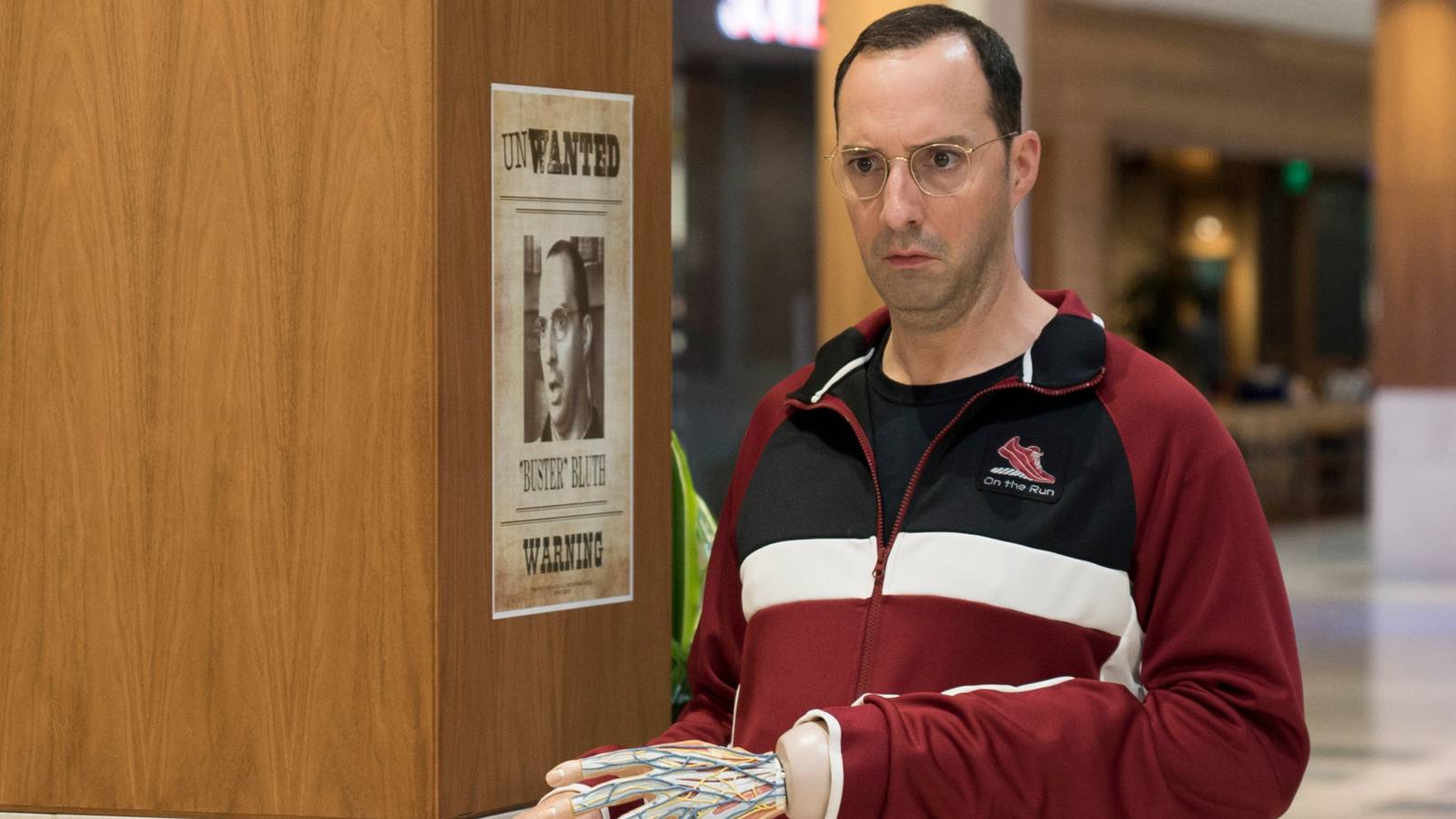
Published Nov 27, 2026, 4:30 PM EST Ben Sherlock is a Tomatometer-approved film and TV critic who runs the massively underrated YouTube channel I Got Touched at the Cinema. Before working at Screen Rant, Ben wrote for Game Rant, Taste of Cinema, Comic Book Resources, and BabbleTop. He's also an indie filmmaker, a standup comedian, and an alumnus of the School of Rock. Sometimes, all it takes is one episode to ruin a sitcom character. Most sitcom characters get Flanderized over time, like The Office’s Kevin Malone or South Park’s Randy Marsh or, indeed, The Simpsons’ Ned Flanders, but it takes a special kind of slip-up to doom a character within a single episode. The Fonz was a beloved icon before he jumped a shark on a pair of waterskis; now, he’s just remembered as the poster child for “jumping the shark.” The term “character assassination” has been redefined to refer to when a fictional character’s reputation is soured by bad storytelling and uncharacteristic writing. Some sitcoms have even managed to do that in just one episode. From Principal Skinner to Miranda Hobbes, these beloved sitcom characters were ruined in a single episode. Arthur "The Fonz" Fonzarelli Happy Days season 5, episode 3, "Hollywood: Part 3" Happy Days ruined Fonzie’s character so spectacularly that they actually have a name for it. In Happy Days’ Hollywood-set season 5 premiere, the Fonz ends up waterskiing up a ramp and jumping over a bloodthirsty shark that wants to take a bite out of him. The term “jumping the shark” was coined to describe any time a TV show was so desperate for new ideas that it did something as ridiculous as a waterskiing shark jump. When you’ve got your breakout character evading a shark’s jaws, you’re officially scraping the bottom of the barrel for new story ideas, and it might be time to call it quits. Jim Halpert The Office season 9, episode 12, "Customer Loyalty" After the first eight seasons of The Office had painstakingly established Jim Halpert as a nice guy — the flipside of toxic, abusive, aggressive dudes like Roy — the ninth and final season went and turned him into a jerk. He lied to Pam about starting a new business, he invested more of their savings than they agreed in the startup, and he abandoned her with the kids to live a pipe dream in Philadelphia. At the end of the episode “Customer Loyalty,” Jim yells at Pam for not recording CeCe’s dance recital, and it feels wildly out of character. It’s not like Jim to treat Pam like that, or get so worked up over something so minor. John Krasinski nailed his performance, but it was a storyline that should never have been written. Topanga Lawrence Boy Meets World season 5, episode 24, "Graduation" In the season 5 finale of Boy Meets World, Topanga Lawrence makes the baffling decision to choose her high school sweetheart over her future. Topanga graduated as the valedictorian, received an offer to attend Yale, and was encouraged by Mr. Feeny to go there. But instead, Topanga turns down Yale, proposes to Cory, and decides to go to Pennbrook University with him instead. Part of what made the show so great was that Topanga had her own agency and independence; she wasn’t just a function of her relationship with Cory. But when she turned down Yale for her boyfriend, she lost all that independence and became purely a functional love interest. Ted Mosby How I Met Your Mother season 9, episodes 23/24, "Last Forever" Some would argue that Ted Mosby’s character was ruined long before How I Met Your Mother’s final episode, and some would argue that he was never a great character to begin with. Ted is the poster boy for the “nice guy” who isn’t as nice as he thinks. But Ted kept audiences engaged with the convoluted story of how he met his wife for the better part of a decade. Ted still had plenty of redeeming qualities — not to mention the innate charms of Josh Radnor — right up to the end. But when the series finale revealed that Ted was only telling this story to get permission from his kids to go crawling back to Robin, his character was well and truly assassinated. Nathan Shelley Ted Lasso season 2, episode 12, "Inverting the Pyramid of Success" Making Nathan Shelley a monster was an interesting twist in Ted Lasso’s season 2 finale, and it opened up a more nuanced discussion about Ted’s relentless positivity. Nate was angry because Ted gave him false hope, and because he felt that Ted had built him up, made him feel special, then hung him out to dry. But, while it was initially an intriguing development, Nate’s villainous turn ended up ruining his character in season 3. He never fully committed to being a villain, but he never did anything to earn forgiveness, either. Nate’s redemption was entirely facilitated by a Manic Pixie Dream Girl he had no business dating. Miranda Hobbes And Just Like That... season 1, episode 5, "Tragically Hip" The Sex and the City reboot, And Just Like That..., was a massive let-down across the board. None of the four iconic main characters acted like themselves in the revival, but no one acted more out of character (or less likable) than Miranda. The original series brought a lot of depth and nuance to Miranda’s character — she contained multitudes, with both flaws and redeeming qualities — but the reboot turned Miranda into a caricature. In just the first season, she abandoned a bedridden Carrie to have sex. Carrie needed her as she recovered from surgery, but Miranda couldn’t care less. Buster Bluth Arrested Development season 5, episode 16, "The Fallout" The first three seasons of Arrested Development rank among the finest TV comedies ever made. Along with Police Squad! and the golden age of The Simpsons, it’s one of the funniest shows of all time. Pound for pound, laugh for laugh, those early seasons are about as consistently hilarious as a TV series can reasonably be. But the fourth and fifth seasons, greenlit by Netflix long after the initial run was canceled, are a different story. Those last two seasons kept the cast mostly separate, which ruined the ensemble dynamic, and despite having some funny ideas and storylines (Michael moving into his son’s college dorm room was a highlight), there were nowhere near as many laughs. Worst of all, Arrested Development’s final season made Buster Bluth a murderer. Buster had always been imbued with a bit of Norman Bates, but he was always sweet and innocent at heart. When the second series finale revealed that Buster killed Lucille Austero, it left a bad taste. It took the most harmless character on the show and made him a cold-blooded killer. Principal Skinner The Simpsons season 9, episode 2, "The Principal and the Pauper" The clearest-cut case of a sitcom destroying one of its characters in a single episode is The Simpsons’ season 9 installment “The Principal and the Pauper.” After audiences had spent nine years getting emotionally invested in Principal Skinner — his traumatic past in Vietnam, his unwavering commitment to education, his complicated relationship with his mother — “The Principal and the Pauper” revealed that his entire life was a lie. When the real Seymour Skinner shows up, we learn that the man we know as Principal Skinner was actually born Armin Tamzarian. He was a no-good greaser getting into trouble across town, and he was sent to Vietnam to scare him straight. There, he ended up stealing the identity of his commanding officer, the real Skinner, and went home to move in with his mother and live his life as an elementary school principal. It’s basically the same backstory as Mad Men’s Don Draper, and it was out of place in a wacky cartoon. Martin Sheen gives a great guest performance as the real Skinner, and the premise as a whole could be seen as a meta examination of fan backlash to major canonical changes. But we’d come to care about Skinner as he was presented to us; we had no investment in Armin Tamzarian.
8 Sitcom Characters Ruined By A Single Episode
Full Article
Original Source
Read the full article at Screenrant →KhanList aggregates and links to publicly available news content. We do not host full articles from third-party sources. Always verify important information with original sources.