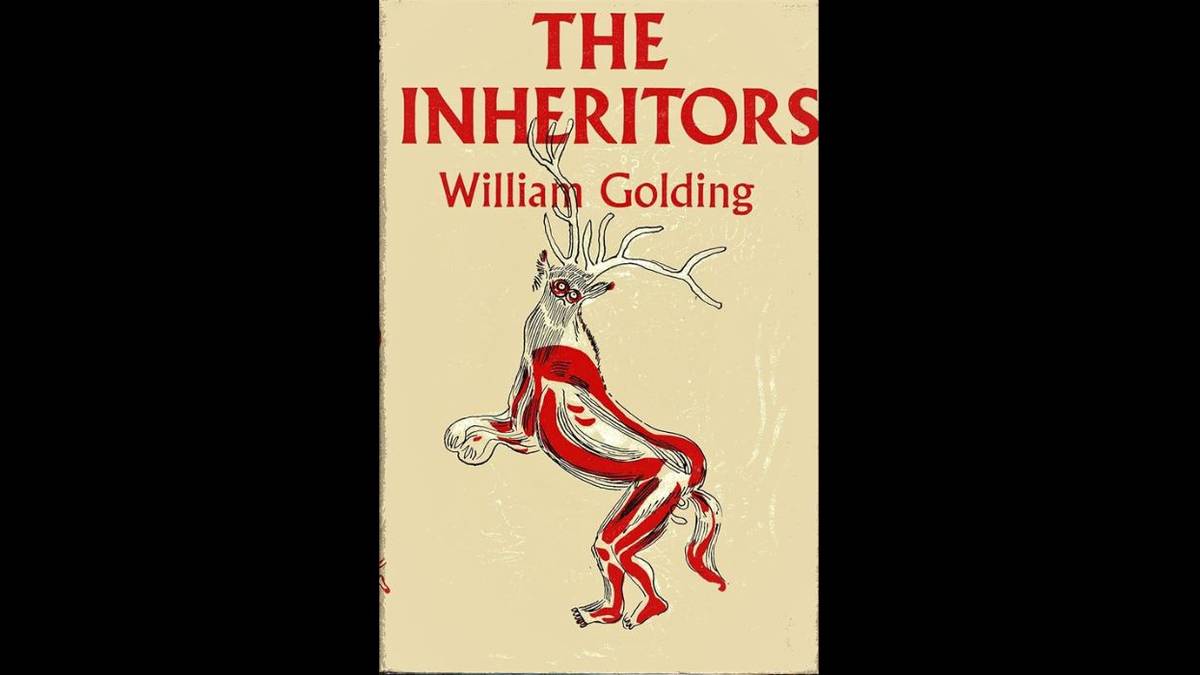
Image via Penguin Classics Published Jul 29, 2026, 5:34 AM EDT Remus is a writer, editor, journalist, and author with an eye for detail and an extremely active imagination. He is an enthusiast of everything to do with the graphic medium, whether it's Western comics and their adaptations or manga and anime. Remus is also the author of the sci-fantasy novel Once Upon a Time in Hyperspace and several works of short fiction in the mystery, comedy, and horror genres. Sign in to your Collider account Science fiction literature stands at the very brink of human imagination, exploring worlds and possibilities that reach from the real to the unreal. So it’s no wonder that the genre has always provided fertile ground for storytelling, giving us innumerable literary masterworks over the years, many of which are still widely celebrated today. However, time has not been kind to all great works of science fiction, and far too many great sci-fi books have become sadly forgotten over the years. These masterfully crafted sci-fi stories may not be very popular or well-known today, but many of them were significant successes in their time. And quite a few of them, like Mary Shelley’s The Last Man or H.G. Wells’s Star-Begotten, are seminal works written by celebrated authors that were simply overshadowed by their better-selling predecessors. With that in mind, here’s our handpicked selection of perfect sci-fi books that nobody remembers. 1 ‘Rogue Moon’ (1960) Written by Lithuanian-American author Algis Budrys, Rogue Moon is a short science fiction novel that expands Budrys’s original novella-length story of the same name. The book revolves around a large alien labyrinth found on the surface of the moon that’s filled with death traps. A scientist, Dr. Edward Hawks, creates a matter transmitter that allows explorers to investigate the labyrinth in relative safety using doppelgängers, but all but one are driven mad by the experience of dying. Published in 1960, Rogue Moon was a Hugo Award nominee and earned largely favorable reviews from critics, though the shorter novella version is generally better regarded. The book is a fascinating work of hard science fiction that uses its eerie, unpredictable setting to explore themes of life, death, and the journey of humanity towards enlightenment. While largely forgotten these days, Rogue Moon is a top-notch work of science fiction that still holds up today. 2 ‘A Princess of Mars’ (1912) Image via Disney The first book of the Barsoom series, A Princess of Mars is a science fantasy adventure novel written by Edgar Rice Burroughs that was first serialized in the pulp magazine All-Story Magazine. Set on Mars, known as Barsoom to its native inhabitants, the novel follows the adventures of John Carter, a former Confederate soldier who finds himself transported to the Red Planet. Discovering that his alien biology gives him superhuman powers on the planet, Carter befriends a warlike tribe of Green Martians and falls in love with the Red Martian princess, Dejah Thoris. A classic of 20th-century pulp fiction, A Princess of Mars combines elements of the science fiction, romance, Western, and swashbuckler genres to create an exciting and engaging adventure story. The book and its sequels are very much a product of their time, with now questionable colonial-imperialist tropes, but the novel actively emphasizes the importance of timeless human values like honor, courage, and optimism. While Burroughs may be better known for his Tarzan stories, the Barsoom books are foundational to modern science fiction and deserve to be read by any fan of the genre. 3 ‘The Inheritors’ (1955) Image via Penguin Classics Written by British author William Golding, The Inheritors is a work of prehistoric speculative fiction that takes a relatively unique approach. The book follows one of the last surviving tribes of Neanderthals, exploring their simplistic yet fascinating way of life as they come into contact with a fascinating yet terrifying group of “new people” — modern humans. As the novel progresses, we also learn more about the perspective of these early humans, who, it turns out, are terrified of their Neanderthal cousins, and pretty much everything else. William Golding’s first novel, Lord of the Flies, is a world-famous classic that’s still widely discussed today. By comparison, The Inheritors, his second novel, is quite obscure; however, the book is arguably better than his previous work, delivering an imaginative and enthralling story. Where most speculative novels dream of distant futures, Golding’s journey into the past is as enthralling as any of them, painting a deeply human picture of our long-lost evolutionary cousins that stands apart from the “grunt-and-groan” cavemen we usually see in fiction. Collider Exclusive · Sci-Fi Personality Quiz Which Sci-Fi Hero Are You Most Like? Paul Atreides · Captain Kirk · Princess Leia · Ellen Ripley · Max Rockatansky Five iconic heroes. Five completely different ways of facing an impossible universe. One of them shares your instincts, your values, and your particular way of refusing to back down. Eight questions will tell you which one. 🏜️Paul Atreides 🖖Capt. Kirk ✊Princess Leia 🔦Ellen Ripley 🔥Max Rockatansky FIND YOUR HERO → 01 How do you lead when the stakes couldn't be higher? The way you lead under pressure is the most honest thing about you. AI absorb everything — every variable, every pattern — and move only when I know the path forward. BI read the room, make the call, and own the consequences. Hesitation costs more than mistakes. CI rally people. A cause needs a voice, and I refuse to let fear be louder than conviction. DI assess the threat, establish what needs doing, and get it done without waiting for permission. EI don't lead. I act. Others can follow or not — I'm already moving. NEXT QUESTION → 02 What is your greatest strength in a crisis? The quality that keeps you alive when everything else fails. APrescience — the ability to see further ahead than anyone else and plan accordingly. BImprovisation — I'm at my best when the plan falls apart and I have to invent a new one. CConviction — I know what I'm fighting for, and that certainty doesn't waver under fire. DComposure — I stay functional when everyone around me is falling apart. Panic is a luxury. EEndurance — I outlast things. I take the hit and keep moving long after others have stopped. NEXT QUESTION → 03 What is the thing you'd sacrifice everything else for? Your deepest motivation is your truest compass. AThe survival and dignity of my people — even if I have to become something frightening to ensure it. BThe safety of my crew — every single one of them. No one gets left behind. CFreedom — for my people, for every world still crushed under the weight of an empire. DThe truth — what actually happened, what's actually out there, whether anyone believes me or not. EThe one person — or the one memory — that still makes any of this worth surviving for. NEXT QUESTION → 04 How do you relate to the people around you? Who you are to others under pressure is who you really are. AWith intensity and distance — I care deeply, but the weight I carry makes closeness complicated. BWith warmth and irreverence — I take the mission seriously, not myself. CWith directness and trust — I say what I mean, and I expect the people I work with to rise to it. DWith professional care but clear limits — I'll protect you, but I won't pretend we're family. EWith wariness that slowly becomes loyalty — I don't trust easily, but when I do, it holds. NEXT QUESTION → 05 You're facing a threat that no one else believes is real. What do you do? How you respond when you're the only one who sees it defines everything. APrepare in silence. If they won't listen, I'll be ready when they finally have to. BKeep pushing until someone listens — and if no one does, handle it myself. CBuild the case, find the allies, and make the threat impossible to ignore. DDocument everything. The truth matters even if no one believes it yet. EStop trying to convince anyone. Survive it. That's the only argument that counts. NEXT QUESTION → 06 What has your heroism cost you personally? Every hero pays. The question is what — and whether they'd pay it again. AMy innocence — I've seen what I'm capable of, and I can't unsee it. BPeople I loved — the command chair has a view, but it's a lonely one. CA normal life — I gave up everything ordinary the moment I chose the cause. DMy sense of safety — I know exactly what's out there now, and I can't pretend otherwise. EAlmost everything — and I'm still not sure what I'm carrying it all for. But I keep going. NEXT QUESTION → 07 How do you feel about the rules of the world you're in? Every hero has a relationship with the system. What's yours? AI understand them deeply — and I know exactly which ones must be broken, and why. BI respect the spirit of them and bend the letter when the situation demands it. CThe system is the problem. I'm not here to work within it — I'm here to dismantle it. DI follow protocol until protocol stops being useful. Then I make the call myself. EThe rules collapsed a long time ago. What's left is instinct, and mine are reliable. NEXT QUESTION → 08 When everything is on the line, what keeps you going? The answer is the most honest thing about you. ADestiny — or something that feels so much like it that the difference no longer matters. BThe people on my ship — their faces, their trust, the fact that they're counting on me. CThe belief that what we're fighting for is worth every sacrifice, including this one. DSheer refusal to let it win — whatever it is. I don't stop. That's just who I am. EI'm not sure anymore. But the road is still there, and I'm still on it. REVEAL MY HERO → Your Hero Has Been Identified Your Sci-Fi Hero Is…Your answers point to the iconic sci-fi hero who shares your instincts, your values, and your particular way of facing the impossible. Paul AtreidesYou carry a weight most people would crumble under — the knowledge of what you're capable of, and the burden of what you might have to become. You see further ahead than others and you plan accordingly, even when the vision frightens you. You are driven by loyalty to your people and a sense of destiny you didn't ask for but can't escape. Paul Atreides is not simply a hero — he is someone who understands the cost of power and chooses to bear it anyway. That gravity, that willingness to carry what others won't, is exactly you. Captain KirkYou lead with instinct, warmth, and an absolute refusal to accept a no-win scenario — because you've always believed there's a third option nobody else has thought of yet. You take the mission seriously without ever taking yourself too seriously. Your crew would follow you anywhere, not because you demand it, but because you've earned it. Kirk's genius isn't tactical — it's human. He reads people, bends rules with purpose, and wills outcomes into existence through sheer conviction. That combination of warmth, audacity, and relentless optimism is unmistakably yours. Princess LeiaYou are the kind of person who holds the line when everyone else is losing faith — not because you're fearless, but because giving up simply isn't something you're capable of. You lead through conviction. Your voice carries because your belief is unshakeable. You gave up everything ordinary the moment you chose the cause, and you've never looked back. Leia is not a supporting character in her own story — she is the moral centre of the entire rebellion. That same fierce, principled, unbreakable core is what defines you. Ellen RipleyYou are not reckless, not grandiose, and not particularly interested in being anyone's hero — you just refuse to stop when it matters. You see threats clearly, you document the truth even when no one listens, and when the time comes you handle it yourself. Ripley's heroism is earned, not performed. She doesn't have a speech — she has a flamethrower and a plan. You share her composure under the worst possible pressure, and her refusal to pretend the monster isn't there. When it counts, you don't flinch. That's everything. Max RockatanskyYou have been through fire that would break most people — and what came out the other side is something the world underestimates at its peril. You don't ask for help, don't need validation, and don't wait for anyone to tell you the rules no longer apply. Your loyalty, when it finally arrives, is absolute — but it's earned in silence and tested in action, not in words. Max is not a nihilist. He is someone who lost everything and found, against his will, that he still has something worth protecting. That bruised, stubborn, ultimately human core is exactly yours. ↻ RETAKE THE QUIZ 4 ‘Star-Begotten’ (1937) Image via The Viking Press Written by English author H. G. Wells, Star-Begotten is a fascinating work of science fiction that takes an original approach to the concept of alien invasions. The novel’s story begins with a man called Joseph Davis, who comes to believe that he and his family are being genetically modified by Martians using cosmic rays. Though the notion is clearly false, it still spreads like wildfire, eventually reaching the ears of two scientists and the powerful (and mad) owner of a national newspaper. Star-Begotten is often coupled with Wells’ more famous Martian novel, The War of the Worlds, which is explicitly mentioned in the story, but where that book looks at an actual Martian invasion, Star-Begotten makes it quite clear that there are no Martians and no genetic alteration program in reality. Instead, what the novel explores are the social and psychological impacts of this outlandish notion, born of a misinformed understanding of science and regular human anxieties. Simultaneously a satire of contemporary sci-fi and a masterful work of social science fiction in its own right, Star-Begotten is arguably Wells’ most underrated book. 5 ‘The Last Man’ (1826) Image via Oxford's World Classics Written by Mary Shelley, The Last Man is an apocalyptic, dystopian science fiction novel set in the late 21st century. The story follows the lives of various characters living in this period, who find their journeys transformed by the rise of a bubonic plague pandemic that slowly brings about the near-extinction of mankind. As with many of Shelley’s novels, the book’s characters, while fictional, are at least partially inspired by her real-life friends and acquaintances, particularly her late husband Percy Bysshe Shelley and their close friend Lord Byron. Though Shelley’s name may be inextricably linked to her first book, Frankenstein, this later work is arguably a far more layered and clear-eyed exploration of science, politics, and humanity in the late Romantic age. First published in 1826, The Last Man was universally derided by the critics of its time, attracting vitriolic rebuke that reportedly caught even the author by surprise. In the years since, and particularly in the 2020s, the novel has been re-appraised as a prescient work of science fiction that breaks from the Romantic and humanist conventions of its time to make a fairly simple yet hard-to-digest point: all men, no matter how noble or savage, are equal in the face of disease and death. 6 ‘Dark Universe’ (1961) Image via Bantam Books Written by Daniel F. Galouye, Dark Universe is a post-apocalyptic science fiction novel set in the aftermath of a nuclear holocaust. Generations after the end of the world, a group of survivors lives deep underground. using echolocation to find their way in the total darkness and venerating the concept of Light as a mythical deity. The novel follows Jared, one of the Survivors, as he defies the traditions and strictures of his superstitious society to seek out the truth about the Light and the world above. First published in 1961, Dark Universe is a Hugo Award-nominated novel that was highly acclaimed in its day. Though it’s been largely forgotten since, the book is a masterwork of post-apocalyptic storytelling, harnessing Cold War-era fears of nuclear armageddon to create an inventive world. Essentially a reimagining of Plato’s Allegory of the Cave, the novel explores themes of dogma, faith vs. reason, and the corruption of truth by the forces of superstition, making it a book that’s simultaneously timeless and rooted in its time. 7 ‘The Manhattan Projects’ (2012) Image via Image Comics The most recent entry on this list, The Manhattan Projects is a science fiction comic book series published by Image Comics, created by writer Jonathan Hickman and artist Nick Pitarra. Collected in six volumes (so far), the story explores an alternate history in which the Manhattan Project was a front for other, more eclectic and dangerous scientific experiments, spearheaded by twisted versions of familiar historical figures. The series extends beyond World War II, with most of the story set during the Cold War and the Space Race. An Eisner Award-nominated comic book series, The Manhattan Projects is arguably one of the most mind-blowing works of 21st-century science fiction, but though it has earned critical acclaim and developed a devoted fan following, the series isn’t exactly a mainstream hit. That might at least partly be because the series is currently unfinished and on indefinite hiatus, with no return in sight, but the series is nevertheless a must-read for sci-fi fans and anyone who enjoys esoteric alt-history narratives. 8 ‘Millennium’ (1983) Image via 20th Century Fox Written by John Varley, Millennium is a sci-fi time travel novel that expands on Varley’s 1977 short story “Air Raid." The novel explores the efforts of a far-future civilization that is faced with an irreparably damaged environment after millennia of warfare and pollution. With no future left to hope for, the humans of this “Last Age” embark on a desperate mission to collect healthy humans from the past and send them to a new world where they can repopulate the species. Published in 1983, Millennium was quite favorably received by contemporary critics and earned nominations for multiple awards, including a Philip K. Dick Award and a Hugo Award. The story was later adapted into a film in 1989, directed by Michael Anderson from a screenplay written by the author. The movie version was ultimately panned by critics and audiences, and the story has become almost entirely forgotten since, but the original novel is still a solid work of science fiction, with engaging thriller elements, that deserves a lot more credit than it’s gotten. Millennium Release Date August 25, 1989 Runtime 105 minutes Cast Cheryl Ladd Louise Baltimore Kris Kristofferson Bill Smith Daniel J. Travanti Arnold Mayer
8 Perfect Sci-Fi Books That Nobody Remembers
Full Article
Original Source
Read the full article at Collider →KhanList aggregates and links to publicly available news content. We do not host full articles from third-party sources. Always verify important information with original sources.