
Image via Orion Published Nov 12, 2026, 2:09 PM EST Diego Pineda has been a devout storyteller his whole life. He has self-published a fantasy novel and a book of short stories, and is actively working on publishing his second novel. A lifelong fan of watching movies and talking about them endlessly, he writes reviews and analyses on his Instagram page dedicated to cinema, and occasionally on his blog. His favorite filmmakers are Andrei Tarkovsky and Charlie Chaplin. He loves modern Mexican cinema and thinks it's tragically underappreciated. Other interests of Diego's include reading, gaming, roller coasters, writing reviews on his Letterboxd account (username: DPP_reviews), and going down rabbit holes of whatever topic he's interested in at any given point. Sign in to your Collider account It's not easy for a writer to build suspense, but if there's any one genre that greatly benefits from having plenty of it, it's the mystery genre. These are stories all about constructing an intellectual puzzle for readers to try and solve before the characters do, and high-stakes suspense that keeps the reader biting their nails in anticipation of what will happen next is awfully effective in making a mystery book unforgettable. As such, many of the greatest mystery books in history are also masterclasses in suspense. Whether we're talking about an old-school psychological thriller like Rebecca or a more modern display of suspense like Gone Girl, these mystery novels all demonstrate how suspense can greatly elevate the central question that lies at the core of all mystery stories. Tense, well-paced, and often heart-racing in ways that all mystery thriller fans should be able to appreciate, these masterpieces should be read by anyone seeking to understand how writers build suspense. 'Presumed Innocent' (1987) Image via Farrar Straus & Giroux The legal thriller subgenre can deliver absolutely riveting stories, but few will ever be as legendary as Scott Turow's first novel, Presumed Innocent. In it, a chief deputy prosecutor in a high-stakes murder case becomes the prime suspect when the victim turns out to be his former secret mistress. It's the sort of book that keeps you guessing all the way until the end, blending a high-stakes murder mystery with deeply complex and psychologically realistic tension. The book essentially pioneered the modern legal thriller subgenre, elevated by the way Turow (who worked as a lawyer for a decade before writing full-time) elevates the story with authentic procedural elements and psychological ambiguity. Because the book is written from the first-person perspective of an unreliable narrator—something not all that common within the legal thriller genre—, readers never quite know whether to believe his innocence. 'The Bourne Identity' (1980) Image via Hachette After an episode of temporary amnesia, thriller master Robert Ludlum came up with the idea for The Bourne Identity, which would end up becoming the first chapter in the trilogy that Ludlum is nowadays best known for. It's the story of Jason Bourne, an amnesiac man pulled from the Mediterranean Sea who has to piece together his hidden past while using his deadly combat skills to fend off the CIA and the world's most dangerous assassin. Aside from being one of those thriller books that are a masterclass in tension, Bourne Identity is also built on a foundation of relentless narrative momentum and layers upon layers of paranoia. The mystery of Bourne's identity (pun not intended) is the fuel that drives the whole story, but it's Ludlum's frantic pacing and action-packed story that lends Bourne Identity the suspense that propels it forward from cover to cover. 'The Snowman' (2007) Image via Knopf Publishing Group Probably the most internationally iconic Norwegian crime thriller of all time is Jo Nesbø's The Snowman, one of those modern detective books that are perfect from the first page to the last. The symbol of the snowman is a classic childhood figure that tends to represent innocence and coziness, but Nesbø weaponizes that image by telling the tale of a detective hunting a serial killer that targets married mothers during the first snowfall of the year, leaving snowmen behind at every crime scene. It's a simple enough premise on paper, but far from just reveling in corrupting the familiar symbol of the snowman without any further depth or substance, The Snowman is a testament to how brilliantly cold and isolating Scandinavian crime fiction can feel. It's the seventh (and arguably best) installment in the Harry Hole series that follows the eponymous detective, and like the rest of the series, it's an absolute masterclass in how to leverage misdirection and red herrings to build suspense. 'Rebecca' (1938) Image via William Morrow Daphne du Maurier was one of the most popular and influential English writers of her generation, helping bring more genre versatility and psychological realism to genre literature than it had ever seen before. Case in point: Rebecca, perhaps her magnum opus, about a shy young woman who marries a wealthy widower and moves to his grand coastal estate, only to find herself tormented by the lingering memory of his deceased first wife, Rebecca. Du Maurier very specifically wanted to craft a literary study of themes of jealousy, an emotion that had fascinated her since her marriage in 1932, and saying that the result of such a stroke of inspiration lived up to her ambition would be an understatement. Rebecca is Gothic mystery and psychological suspense at their most effective, building a sense of agonizing tension out of concepts as seemingly simple as domestic isolation and social inadequacy. COLLIDER The Mystery Desk Case File 0481 · Open Collider/ Movies/ Mystery/ Which Classic Mystery Movie Are You 8 Questions · 2 Minutes Which Classic Mystery Movie Are You? Every answer counts toward the verdict. Four films that solve a mystery four completely different ways, from a comedy with three separate endings to a thriller told backwards. One of them has been describing you all along. The Suspects 01🕯Clue1985 02🪟Rear Window1954 03📦Se7en1995 04📸Memento2000 Open the Case File Evidence logged automatically Exhibit 01 of 08Film Night What kind of film night are you after? Pick the one that sounds most like you ASomething funny with a big cast. BSomething old and close to perfect. CSomething that will ruin my week. DSomething I will have to rewatch. Press 1 to 4 to log an answerNext Evidence logged automatically Exhibit 02 of 08Character Witness How would your friends describe you? Be honest AObservant and a bit nosy. BChaotic and very funny. CHard to follow, in a good way. DIntense, and you never let go. Press 1 to 4 to log an answerNext Evidence logged automatically Exhibit 03 of 08Whereabouts What do you do when you are stuck at home? One answer only AGo over the same problem again. BMake lists I later cannot read. CInvite seven people round. DWatch the neighbours. Press 1 to 4 to log an answerNext Evidence logged automatically Exhibit 04 of 08The Twist How do you react to a plot twist? Pick the closest answer AStart the whole thing again. BShout at the television. CClaim I saw it coming. DSit in silence for a while. Press 1 to 4 to log an answerNext Evidence logged automatically Exhibit 05 of 08The Scene Pick a room. No wrong answers here AA window overlooking everybody. BA motel room covered in notes. CA library with a secret door. DA room with one bare bulb. Press 1 to 4 to log an answerNext Evidence logged automatically Exhibit 06 of 08Testimony What is your memory like? Pick the closest answer AI remember what I could not fix. BHonestly, not good. CSelective, and very loud. DI remember everything I saw. Press 1 to 4 to log an answerNext Evidence logged automatically Exhibit 07 of 08Closing Argument How do you feel about endings? Think about the last film that got you AI want to argue about it after. BIt should hurt a little. CGive me three and let me pick. DTie it up neatly, please. Press 1 to 4 to log an answerNext Evidence logged automatically Exhibit 08 of 08The Verdict What should a mystery film do to you? Last one AMake me laugh the whole way through. BMake me watch very closely. CStay with me for days afterwards. DMake me work it out myself. Press 1 to 4 to log an answerDeliver the Verdict Case Closed Verdict Your Mystery Movie Is 🕯 Clue Jonathan Lynn · 1985 You are the most fun thing in the room, and you are not remotely in control of it. Clue is a murder mystery built from a board game, played at farce speed by one of the best comic ensembles ever assembled, and it refuses to commit to a single answer. That is you: loud, quick, impossible to plan around, and the reason anybody had a good time. Case Notes You keep the energy up and the plan loose, and people have a much better evening because of it. Three different endings were sent to different cinemas in 1985, so the answer depended on which screen you walked into. It flopped completely, found its audience on video, and went back into cinemas for its fortieth anniversary with the endings randomised again. Your flaw is that chaos is excellent company and a terrible plan. Chaotic Quick Sociable Unserious 🪟 Rear Window Alfred Hitchcock · 1954 You watch, and you notice the thing everybody else walks past. Hitchcock trapped James Stewart in one room with a broken leg and a view of his neighbours, and built an entire thriller out of a man looking out of a window and being right. You are the one who clocks the detail nobody announced, and you are usually correct before you can prove it. Case Notes You are quietly the most observant person in your circle and you notice changes before anybody mentions them. The courtyard was one of the largest sets ever built at Paramount, with thirty-one apartments and working plumbing. It was nominated for four Academy Awards including Best Director and is still taught as the cleanest thriller ever constructed. Your risk is that watching and doing something about it are not the same, and you know it. Observant Patient Curious Detached 📦 Se7en David Fincher · 1995 You take things on, and you do not put them down. Fincher made a serial killer film where the detectives are losing the entire time, shot it so dark the studio complained, and refused to change an ending that everybody told him would sink the film. You have that same refusal in you, and it has cost you more than you let on. Case Notes You are the one who keeps going after everybody else has accepted it cannot be solved. New Line wanted a different ending and Brad Pitt reportedly refused to make the film without the one they shot. It turned Fincher from the director who had a bad time on Alien 3 into the defining thriller director of his generation. Your weakness is that carrying something this long does real damage, and you are usually the last to notice. Relentless Serious Principled Haunted 📸 Memento Christopher Nolan · 2000 Nobody can quite follow your thinking, and you get there anyway. Nolan told the story backwards, so the audience knows as little as the man at the centre of it does, and the whole film becomes an argument about how much of what you believe you simply decided to believe. You arrive at the right answer by a route nobody else would have taken. Case Notes You work things out sideways, and explaining the route takes longer than the answer did. It was nominated for Best Original Screenplay and Best Film Editing in 2002 and won neither, which still annoys people. It cost around nine million dollars, made over five times that, and built the career that led to everything after. Your flaw is trusting your own version of events slightly more than the evidence supports. Lateral Private Analytical Unreadable Evidence Log Clue Rear Window Se7en Memento Reopen the Case Copied to clipboard Case filed by COLLIDER Collider.com · The Mystery Desk 'The Silence of the Lambs' (1988) Image via St. Martin's Press Thomas Harris' The Silence of the Lambs is the sequel to his masterful 1981 novel Red Dragon, and the second installment in the series following Dr. Hannibal Lecter. According to Stephen King, it's one of the scariest books of all time, and it would be difficult to disagree. It follows Clarice Starling, an FBI trainee who interviews the imprisoned cannibalistic serial killer Lecter to get inside the mind of Buffalo Bill, an active killer that likes to skin his victims. ...For people willing to dive deep into the darkest and scariest that the genre has to offer, it's a must-read. It's certainly not for people who prefer more lighthearted mystery books, but for people willing to dive deep into the darkest and scariest that the genre has to offer, it's a must-read. The triangle that Harris builds between Clarice, Hannibal, and Buffalo Bill is the main source of the book's thematic and tonal power, and it's also what sets the stakes high enough to make the book's suspense feel incredibly effective all the way until the brilliantly structured climax. 'Gone Girl' (2012) Image via Phoenix After writing two books about characters scared of commitment, Gillian Flynn decided to challenge herself by writing a book about what she saw as the ultimate commitment, marriage. From this idea came Gone Girl, about a man who becomes the primary suspect after his wife's mysterious disappearance, setting off a dark web of deception and media frenzy. The book was absolutely groundbreaking back in 2012, radically re-defining the rules of domestic thriller fiction. It's one of those books that belongs on every bibliophile's bucket list, a mystery thriller far more suspenseful and psychologically nuanced than most of the rest of what the genre has had to offer throughout the 21st century. It's the domestic noir masterpiece par excellence, a masterclass in unreliable narration, and a testament to the power of well-executed mid-story plot twists. As if all of that weren't enough, Flynn's comments on how the media exploits tragedies adds yet another layer of urgency to the narrative. 'The Secret History' (1992) Image via Knopf Publishing Group Over three decades after its publication, Donna Tartt's The Secret History is still widely seen as one of the greatest books of the '90s—regardless of genre—, and for good reason. It provided an experience unlike anything else mystery fiction had ever provided before, telling a story about an elite group of college students who accidentally murder a local farmer and then kill their own classmate to keep the secret from getting out. By beginning the book with the reveal of who died and who killed them, Tartt completely inverts the usual whodunnit template, instead instantly transforming The Secret History into more of a "whydunnit." It may at first sound like this destroys any kind of real tension or suspense, but in actuality, the impending dread of the inevitable and the psychological claustrophobia permeating the whole narrative is precisely what makes Secret History so quietly yet potently suspenseful. 'And Then There Were None' (1939) Image via William Morrow There are remarkably few authors in the history of mystery literature—if any—who are even remotely as historically important or hugely influential as Agatha Christie, the best-selling and most translated fiction writer of all time. It should come as no surprise that one of the best-selling and most translated works of fiction in history is the work that many consider her undeniable magnum opus: And Then There Were None, a murder mystery where 10 strangers are lured to a remote island and accused of past murders, beginning to be systematically killed off one by one in accordance with a dark nursery rhyme. It's one of the highest-rated mystery books of all time on Goodreads, and for good reason. It really is the quintessential masterpiece in suspense, at least when it comes to the mystery genre. On the one hand, it's massively influential, the blueprint for pretty much every locked-room mystery that came after. It's all in the way Christie takes full advantage of that inescapable setting, creating a sense of total isolation that makes the entire novel impossible to put down from start to finish. It's grim in tone, impeccably paced, masterfully structured, and absolutely perfect in virtually every way that a mystery thriller should be. And Then There Were None Release Date 2015 - 2015-00-00 Network BBC One Cast Justice Lawrence Wargrave Maeve Dermody Vera Claythorne Paul Chahidi Isaac Morris Celia Henebury Leslie MacArthur (voice) Ten strangers are invited to an island by a mysterious host, and start to get killed one by one. Could one of them be the killer? Directors Craig Viveiros Main Genre Mystery Seasons 1 Producers Abi Bach Executive Producer(s) Lisa Hamilton Daly, Juliet Hartley, Emma Jouannet, Tanya Lopez, Mathew Prichard, Sarah Phelps, Matthew Read, Hilary Strong, Karen Thrussell, Damien Timmer
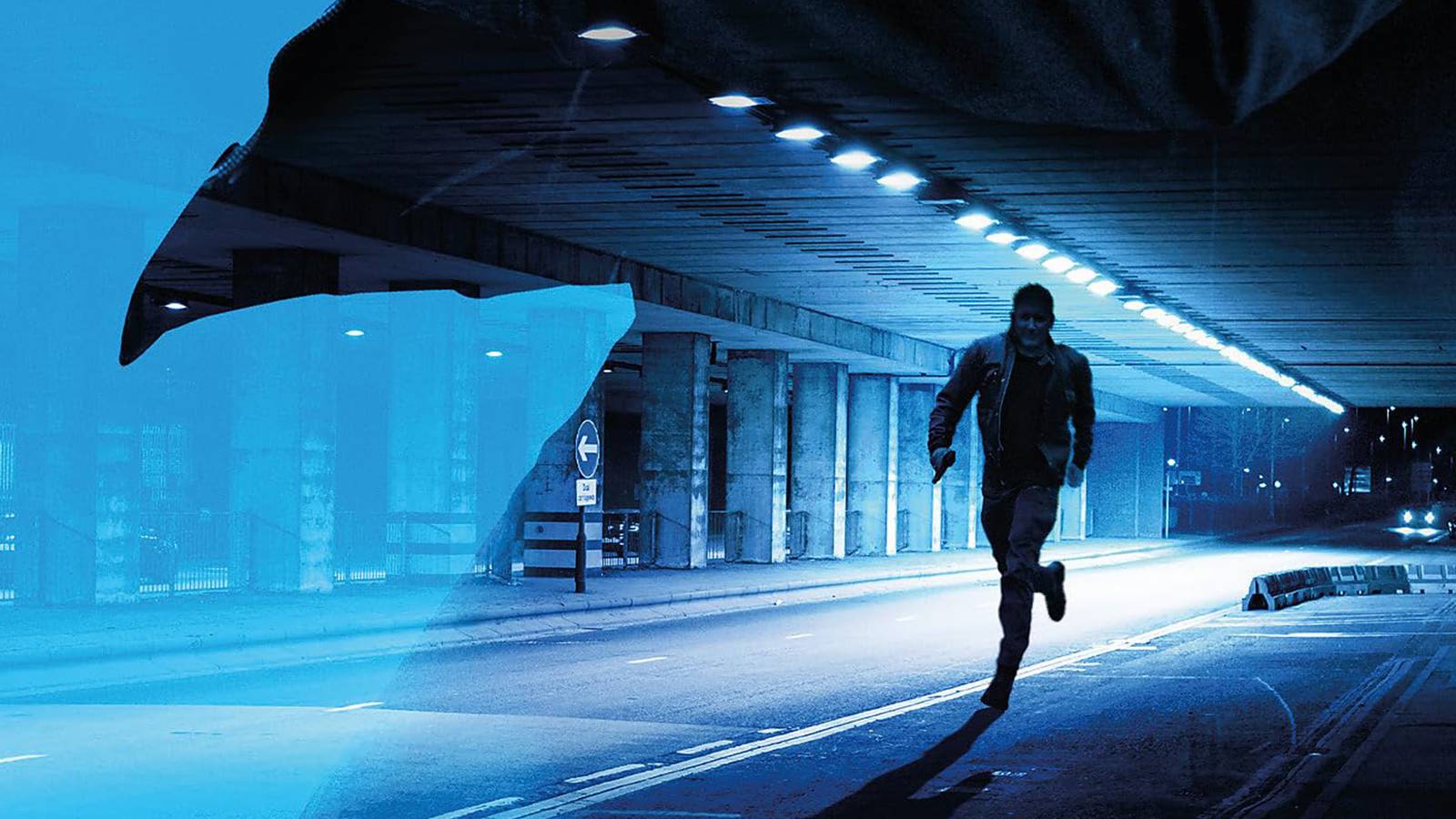
8 Mystery Books That Are a Masterclass in Suspense
Full Article
Original Source
Read the full article at Collider →KhanList aggregates and links to publicly available news content. We do not host full articles from third-party sources. Always verify important information with original sources.