
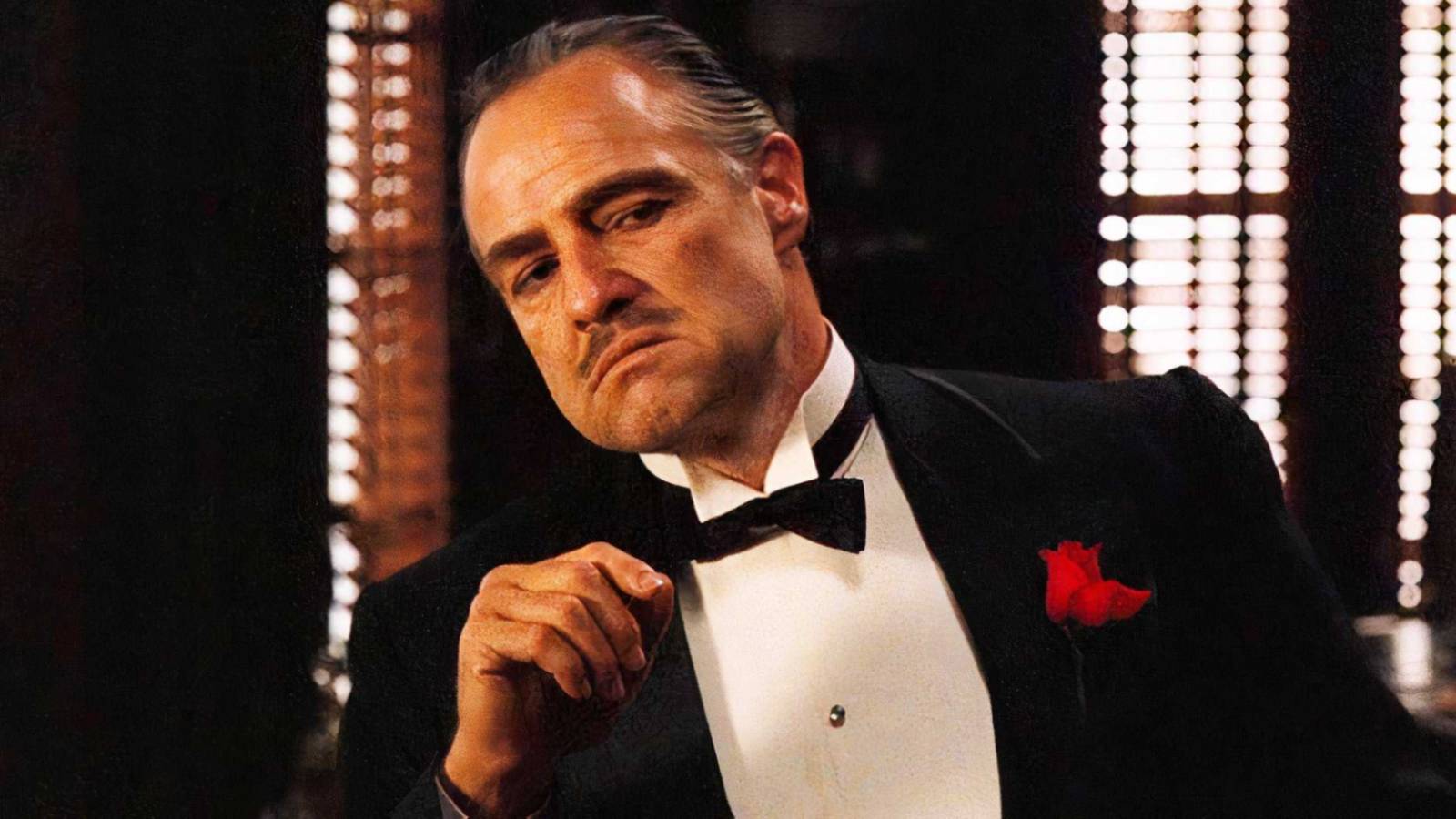
Image via Paramount Pictures Published Aug 25, 2026, 11:18 PM EDT Remus is a writer, editor, journalist, and author with an eye for detail and an extremely active imagination. He is an enthusiast of everything to do with the graphic medium, whether it's Western comics and their adaptations or manga and anime. Remus is also the author of the sci-fantasy novel Once Upon a Time in Hyperspace and several works of short fiction in the mystery, comedy, and horror genres. Sign in to your Collider account Over the years, there have been so many movies that delivered perfectly entertaining experiences, only to fall apart in their last moments. Conversely, there are also a select few films that not only avoid this hurdle, but go one better, ending their stories with such precision, beauty, and intelligence that they become seared in the audience’s minds for all time. When it comes to those masterpieces, the final shot is a memorable keystone capping a monumental achievement that is sure to stand the test of time. It’s no surprise that the movies with the best final shots are also some of the best movies in general. These are films that have been celebrated by critics and audiences alike for generations, and even the most recent of them are movies that have had an undeniable impact on cinema and popular culture. So without further ado, here’s our ranked selection of movies with the most perfect final shots of all time. 8 ‘Goodfellas’ (1990) Image via Warner Bros. Directed by Martin Scorsese, who also co-wrote the screenplay with Nicholas Pileggi, Goodfellas is a biographical gangster film adapted from Pileggi’s 1985 nonfiction book Wiseguy. The movie chronicles the rise and fall of Henry Hill (Ray Liotta), who grows up idolizing the mob in his Brooklyn neighborhood and eventually climbs the ranks of the mafia alongside his friends, Jimmy (Robert De Niro) and Tommy (Joe Pesci), but one hot-headed mistake leads all three of them to ruin. Lorraine Bracco, Paul Sorvino, Frank Sivero, Tony Darrow, Mike Starr, Frank Vincent, and more star in supporting roles. A classic gangster movie, Goodfellas is easily one of Scorsese’s most popular films, and it has been praised by critics and fans alike for its talented performances, sharp editing, immersive cinematography, and engaging narrative. A sweeping crime saga that explores one man’s life in the mob, the story wraps up with Henry living out the remainder of his days in witness protection, having betrayed the mob to save his own skin, leaving him “condemned” to a mundane life. The final shot captures this perfectly, contrasting Tommy’s explosive life with Henry’s suburban exile. 7 ‘Fight Club’ (1999) Image via 20th Century Studios Directed by David Fincher and adapted from Chuck Palahniuk’s 1996 novel, Fight Club is a psychological thriller starring Edward Norton as an everyday white-collar professional suffering an existential crisis. A chance encounter with a traveling soap salesman, Tyler Durden (Brad Pitt), sends his life in a whole new direction, as he and Tyler bring together other alienated men to create the titular underground club. The film also features Helena Bonham Carter, Meat Loaf, Jared Leto, Zach Greiner, and Holt McCallany in supporting roles. A quintessential cult classic, Fight Club may have been a controversial film back when it first premiered, but it’s now widely regarded as one of the greatest postmodern thrillers of all time. The movie explores themes of identity and social ennui through a surreal, mind-bending narrative, which has been the subject of analysis and study by critics and scholars for decades now. All of its strange visual and thematic explorations culminate in a spectacular final scene, where we see Norton’s Narrator tell Helena Bonham Carter’s Marla Singer, "You met me at a very strange time in my life," after which they hold hands and watch as a skyscraper explodes, ushering in a new day for them all. 6 ‘Planet of the Apes’ (1968) Image via 20th Century Fox Directed by Franklin J. Schaffner, Planet of the Apes is a classic science fiction film loosely inspired by Pierre Boulle’s 1963 novel. Charlton Heston stars as an astronaut who crash-lands on a strange planet in the distant future, where humans are mute primitives, and apes are the dominant species. Besides Heston, the movie also stars Roddy McDowall, Kim Hunter, Maurice Evans, James Whitmore, James Daly, and Linda Harrison. The original Planet of the Apes was a critical and commercial hit when it premiered in 1968, and its final shot is easily one of the most famous in cinematic history. In the last scene of the film, Heston’s George Taylor and his companion Nova (Harrison) discover the remnants of the Statue of Liberty, revealing that the planet is actually a future Earth, which causes Taylor to collapse to the ground and curse humanity. It's an iconic final shot that still hits true decades after it first arrived on screens. Collider Exclusive · Oscar Best Picture Quiz Which Oscar Best PictureIs Your Perfect Movie? Parasite · Everything Everywhere · Oppenheimer · Birdman · No Country Five Oscar Best Picture winners. Five completely different visions of what cinema can be — and what it can do to you. One of them is the film that was made for the way your mind works. Ten questions will figure out which one. 🪜Parasite 🌀Everything Everywhere ☢️Oppenheimer 🐦Birdman 🪙No Country for Old Men FIND YOUR FILM → 01 What kind of film experience do you actually want? The best movies don't just entertain — they leave something behind. ASomething that pulls the rug out — that makes me think I'm watching one kind of film and then reveals I'm watching another entirely. BSomething overwhelming — funny, sad, absurd, and genuinely moving, all at once. CSomething grand and weighty — a film that makes me feel the full scale of what I'm watching. DSomething formally daring — a film that pushes what cinema can even do. ESomething lean and relentless — pure tension with no wasted frame. NEXT QUESTION → 02 Which idea grabs you most in a film? Great films are driven by a central obsession. What's yours? AClass, inequality, and what people are willing to do when desperation meets opportunity. BIdentity, family, and the chaos of trying to hold your life together when everything is falling apart. CGenius, moral responsibility, and the catastrophic weight of a decision you can never take back. DEgo, legacy, and the terror of becoming irrelevant while you're still alive to watch it happen. EEvil, chance, and whether moral order actually exists or if we just tell ourselves it does. NEXT QUESTION → 03 How do you like your story told? Form is content. The way a story is shaped changes what it means. AGenre-twisting — I want it to start in one lane and migrate into something completely different. BMaximalist and genre-blending — comedy, action, drama, sci-fi, all in one ride. CEpic and non-linear — cutting between timelines, building a mosaic of cause and consequence. DA single unbroken flow — I want to feel like I'm living it in real time, no cuts to safety. ESpare and precise — every scene doing exactly what it needs to do and nothing more. NEXT QUESTION → 04 What makes a truly great antagonist? The opposition defines the protagonist. What kind of opposition fascinates you? AA system — invisible, structural, and almost impossible to fight because it has no single face. BThe self — the ways we sabotage, abandon, and fail the people we love most. CHistory — the unstoppable momentum of events that no single person can stop or redirect. DThe industry — the machinery of culture that chews up talent and spits out irrelevance. EPure, implacable evil — a force so certain of itself it becomes almost philosophical. NEXT QUESTION → 05 What do you want from a film's ending? The final note is the one that lingers. What do you want it to sound like? AShock and inevitability — a conclusion that recontextualises everything that came before it. BEarned emotion — I want to cry, laugh, and feel genuinely hopeful, even if the world is a mess. CDevastation and grandeur — an ending that makes me sit in silence for a few minutes after. DAmbiguity — something that leaves enough open that I'm still thinking about it days later. EBleakness — an honest refusal to pretend the world is tidier than it actually is. NEXT QUESTION → 06 Which setting pulls you in most? Where a film takes place shapes everything — mood, stakes, what's even possible. AA gleaming modern city with a hidden underside — beauty masking rot, wealth masking desperation. BA collapsing suburban life that opens onto something infinite — the multiverse of a single ordinary person. CThe corridors of power and science at a world-historical turning point — where decisions echo for decades. DThe grimy, alive chaos of New York and Hollywood — fame as both destination and trap. EVast, indifferent landscape — desert and highway where violence arrives without warning or reason. NEXT QUESTION → 07 What cinematic craft impresses you most? Every great film has a signature — a technical or artistic element that makes it unmistakable. AProduction design and mise-en-scène — every frame composed to carry meaning beneath the surface. BEditing and tonal control — the ability to move between registers without losing the audience. CScore and sound design — music that becomes inseparable from the dread and awe of what you're watching. DCinematography as performance — the camera not recording events but participating in them. ESilence and restraint — what's left unsaid and unshown doing more work than any dialogue could. NEXT QUESTION → 08 What kind of main character do you root for? The protagonist is the lens. Who you choose to follow says something about you. ASomeone smart and resourceful who makes increasingly dangerous decisions under pressure. BSomeone overwhelmed and ordinary who turns out to be capable of something extraordinary. CA brilliant, tortured figure whose gifts and flaws are inseparable from each other. DA self-destructive artist whose ego is both their superpower and their undoing. EA quiet, principled person trying to make sense of a world that has stopped making sense. NEXT QUESTION → 09 How do you feel about a film that takes its time? Pace is a choice. Some films sprint; others let tension accumulate slowly, deliberately. AI love a slow build when I know the payoff is going to be seismic — patience for a devastating reveal. BGive me relentless momentum — I want to feel breathless and emotionally spent by the end. CEpic runtime doesn't scare me — if the material demands three hours, give me three hours. DI want it to feel propulsive even when nothing is technically happening — restless energy throughout. EDeliberate and unhurried — I want dread to accumulate in the spaces between the action. NEXT QUESTION → 10 What do you want to feel walking out of the cinema? The best films leave a mark. What kind of mark do you want? AUnsettled — like I've just seen something I can't fully explain but can't stop thinking about. BMoved and energised — like the film reminded me what actually matters and gave me something to hold onto. CHumbled — like I've been in the presence of something genuinely important and overwhelming. DExhilarated — like I've just seen cinema doing something it's never quite done before. EHaunted — like a cold, quiet dread that stays with me for days. REVEAL MY FILM → The Academy Has Decided Your Perfect Film Is…Your answers have pointed to one Oscar Best Picture winner above all others. This is the film that was made for the way your mind works. ParasiteYou are drawn to films that operate on multiple levels simultaneously — that begin in one genre and quietly, brilliantly migrate into another. Bong Joon-ho's Parasite is a film about class, desire, and the architecture of inequality that manages to be darkly funny, deeply suspenseful, and genuinely shocking across a single extraordinary running time. Your instinct is for cinema that hides its true intentions until the moment it's ready to reveal them. Parasite is exactly that — a film that rewards close attention and punishes assumptions, right up to its devastating final image. Everything Everywhere All at OnceYou want it all — and this film gives you all of it. The Daniels' Everything Everywhere All at Once is one of the most maximalist films ever made: action comedy, multiverse sci-fi, family drama, existential crisis, and a genuinely earned emotional core that sneaks up on you amid the chaos. You are someone who responds to ambition, who doesn't want cinema to choose between being entertaining and being meaningful. This film refuses that choice entirely. It is overwhelming by design, and its overwhelming nature is precisely the point — because the feeling of being crushed by infinite possibility is exactly what it's about. OppenheimerYou are drawn to cinema on a grand scale — films that understand history not as a backdrop but as a force, and that place their characters inside that force and watch what happens. Christopher Nolan's Oppenheimer is a film about the terrifying gap between what we can do and what we should do, told with the full weight of one of the most consequential moments in human history behind it. You want your films to feel important without feeling self-important — to earn their ambition through sheer craft and the gravity of their subject. Oppenheimer does exactly that. It is enormous, complicated, and refuses easy comfort. BirdmanYou are drawn to films that foreground their own construction — that make the how of the filmmaking part of the what it's about. Alejandro González Iñárritu's Birdman, shot to appear as a single continuous take, is cinema examining itself through the cracked mirror of a fading actor's ego. You respond to formal daring, to the feeling that a film is doing something that probably shouldn't be possible. Michael Keaton's performance and Emmanuel Lubezki's restless camera create something genuinely unlike anything else — a film that is simultaneously about creativity, relevance, self-destruction, and the impossibility of ever truly knowing if your work means anything at all. No Country for Old MenYou are drawn to cinema that trusts silence, that refuses to explain itself, and that treats dread as a form of meaning. The Coen Brothers' No Country for Old Men is a film about the arrival of a new kind of evil — implacable, arbitrary, and utterly indifferent to the moral frameworks we use to make sense of the world. It is one of the most formally controlled films ever made, and its controlled restraint is what makes it so terrifying. You want your films to haunt you, not comfort you. You are not interested in resolution if resolution would be dishonest. No Country for Old Men is honest in a way that most cinema never dares to be. ↻ RETAKE THE QUIZ 5 ‘Butch Cassidy and the Sundance Kid’ (1969) Image via 20th Century Studios Directed by George Roy Hill and written by William Goldman, Butch Cassidy and the Sundance Kid is a Western movie loosely inspired by the real-life story of the titular outlaws. Paul Newman stars as Robert LeRoy Parker, aka Butch Cassidy, and Robert Redford as Harry Longabaugh, the "Sundance Kid." The film follows them as they flee a US posse after a botched robbery and head to Bolivia for a second act, but find themselves inevitably drawn once again to the outlaw life. Katharine Ross co-stars as Sundance’s lover, Etta Place, and the movie also stars Strother Martin, Jeff Corey, George Furth, Cloris Leachman, Ted Cassidy, and more in supporting roles. Butch Cassidy and the Sundance Kid didn’t have the best critical reception in its day, but it was a box office hit and received multiple Academy Awards, building a reputation as a landmark Western over the years. While the movie is an engaging watch throughout, its ending is arguably even more famous than the film itself, widely recognized as one of cinema’s most effective cliffhangers. In the movie’s final moments, we see the leading duo charge out at their enemies, guns blazing, with the sound of gunfire playing over a freeze-frame shot of the two bandits, leaving their ultimate fates to the audience’s imagination. 4 ‘Casablanca’ (1942) Image via Warner Bros. Pictures Directed by Michael Curtiz, Casablanca is an iconic wartime romance drama set in the titular city during the Second World War. The film follows jaded nightclub owner Rick Blaine (Humphrey Bogart), whose life takes an unexpected turn when his former lover, Ilsa (Ingrid Bergman), asks him to help her husband Victor Laszlo (Paul Henreid), a Czech Resistance leader, escape the Nazis. The movie also features Claude Rains, Conrad Veidt, Sydney Greenstreet, Peter Lorre, Dooley Wilson, and more in supporting roles. Casablanca is easily one of the most celebrated classics of all time, a war movie filmed and set during World War II. It features multiple performers who were refugees, which still transcends the limits of its setting and genre. The film’s ending is a big part of its enduring legacy, especially the final shot, in which a heartbroken Rick and Claude Rains’s Captain Louis Renault walk off into the fog, with Bogart delivering the iconic quote, "Louis, I think this is the beginning of a beautiful friendship." It’s a beautiful ending to a beautiful, evergreen classic. 3 ‘Psycho’ (1960) Image via Paramount Pictures Produced and directed by Alfred Hitchcock, Psycho is a suspense thriller inspired by Robert Bloch’s eponymous 1959 novel. Janet Leigh stars as a secretary from Phoenix, Arizona, who steals from her employer and goes on the run, taking shelter at an out-of-the-way motel, where she meets the shy young proprietor Norman Bates (Anthony Perkins). The movie also stars Vera Miles, John Gavin, and Martin Balsam in key supporting roles. One of the most surprising things about Psycho is its tonal and narrative shift, beginning as a straightforward noir story and suddenly transforming into a very different kind of movie, which audiences today would recognize as a prototypical slasher. The unexpected twists and turns never really stop coming in the film, all the way to its final scene — a monologue in which Norman’s “Mother” personality asserts her innocence, with Anthony Perkins delivering an intensely creepy smile just before the credits roll. 2 ‘The Godfather’ (1972) Image via Paramount Pictures Easily the most iconic gangster movie of all time, The Godfather is an adaptation of Mario Puzo’s novel, directed and co-written by Francis Ford Coppola, that revolves around the Corleone mafia family, run by patriarch Vito Corleone (Marlon Brando). After an attack on Vito by rival gangsters, his son Michael (Al Pacino), a war hero who never wanted to be in the life, finds himself called to follow in his father’s footsteps. The film also stars James Caan, Diane Keaton, Richard Bright, Talia Shire, and Robert Duvall in other lead roles. The Godfather is a timeless classic and a truly epic film, an undeniable masterpiece of the New Hollywood era. Though Don Vito is the title character, the movie is really about Michael and his transformation into a ruthless crime boss, which plays out slowly but surely over the film’s nearly three-hour runtime, ending in one of the most iconic final shots of all time. Presented from the perspective of Michael’s wife, Kay (Diane Keaton), we see the Corleone family capos pledge fealty to Michael as the new Don, and a door closes, symbolizing the moment she finally realizes that her husband is, now and until death, the Godfather. 1 ‘Inception’ (2010) Image via Warner Bros. Pictures Written and directed by Christopher Nolan, Inception is an Academy Award-winning sci-fi film that follows professional thief Dominick “Dom” Cobb (Leonardo DiCaprio), who steals information from his targets by infiltrating their subconscious. After a failed job targeting Japanese businessman Saito (Ken Watanabe), Cobb is offered a tempting deal: a clean slate and a chance to reunite with his family in exchange for completing one last job. The movie’s ensemble cast also includes Joseph Gordon-Levitt, Elliot Page, Marion Cotillard, Tom Hardy, Cillian Murphy, and Michael Caine. Inception is easily one of the most mind-bending films ever made, building layers and layers of reality and illusion on the bones of a heist thriller narrative. It’s the sort of story that leaves a real impression on the audience, lingering in the mind long after the credits roll, and that’s to a great extent attributable to its deceptively vague ending. You can’t really explain why the ending is so good without spoiling the whole movie, but suffice to say, its final shot leaves viewers questioning whether the ending truly is real, or just another layer of dream. That one shot has been a matter of debate and discussion among cinephiles and film scholars for over 16 years.
8 Most Perfect Final Shots in Cinema History, Ranked
Full Article
Original Source
Read the full article at Collider →KhanList aggregates and links to publicly available news content. We do not host full articles from third-party sources. Always verify important information with original sources.