
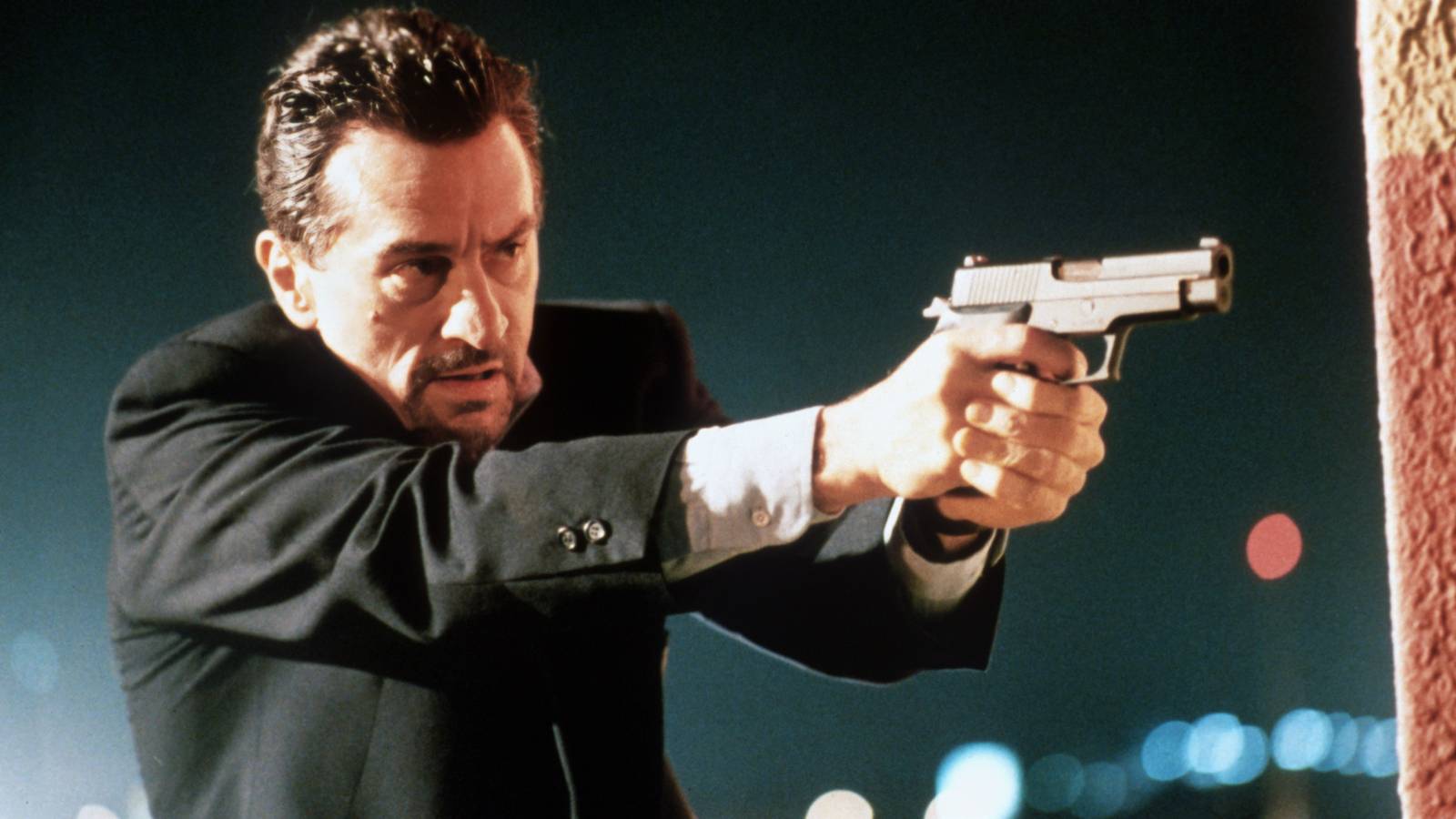
Published Oct 14, 2026, 9:39 AM EDT Senior Music Editor at Screen Rant, Sarah's love of sound and story drive the beat. A globetrotting brand whisperer and award-winning journalist, she’s built cross-cultural narratives around the world—but music has always been her true north. She launched DJ Mag North America, successfully introducing the iconic UK brand to the U.S. market. Previously, she carved a space for EDM inside the pages of VIBE, blending electronic and hip-hop culture long before it was trendy. Robert De Niro's Neil McCauley could have escaped Los Angeles with the woman he loved. Al Pacino's Vincent Hanna could have devoted half as much energy to saving his marriage as he did to catching him. Instead, Michael Mann's Heat gives us two brilliant men who understand their professions far better than they understand their own lives. More than 30 years after its December 1995 theatrical release, Heat returns to Netflix on Friday, October 16, 2026. The timing couldn't be better, with Mann's long-awaited Heat 2 moving forward and renewed interest in one of the most influential crime movies ever made. For many viewers, the defining memories remain that astonishing downtown Los Angeles shootout and the legendary coffee-shop encounter between De Niro and Pacino. The latter marked the first time the two screen icons actually shared a scene, and their confrontation remains one of the most riveting moments in crime cinema. While some of the greatest plot twists in crime movies rely on shocking betrayals or last-minute revelations, Heat is devastating for a different reason. Most of its tragedies are painfully predictable. The criminals aren't nearly as honorable as they once seemed, and the supposedly heroic detective is barely holding his personal life together. Meanwhile, the people caught in the middle suffer consequences that the film's central figures rarely stop to consider. The Legendary Bank Shootout Is Actually Horrifying Few action sequences have been celebrated as enthusiastically as the downtown Los Angeles shootout in Heat. The choreography, deafening gunfire, and extraordinary realism helped establish it as one of cinema's most influential gun battles. Watching Neil McCauley and his crew move through the streets with military precision remains undeniably thrilling. However, it's worth remembering what's actually happening. Police officers are being killed, terrified civilians are caught in the crossfire, and the robbers are unleashing extraordinary violence simply to escape with stolen money. The sequence's technical brilliance can almost distract from its brutality. Rewatching it with greater attention to the consequences makes the entire experience considerably less exhilarating. Donald Breedan Never Really Had A Chance Dennis Haysbert's Donald Breedan receives relatively little screen time, yet his story is among the most heartbreaking in Heat. Recently released from prison, Breedan is attempting to rebuild his life with his girlfriend, Lillian (Kim Staunton). Unfortunately, his new restaurant job comes with a manager who exploits his criminal record and threatens to send him back to prison. When Neil unexpectedly offers Breedan work as a getaway driver, the opportunity is impossible to resist. Breedan joins the bank robbery and dies during the ensuing shootout, destroying the future he and Lillian were trying to build. His tragedy exposes the cruelty beneath Neil's supposed professionalism: another man's desperation becomes a convenient solution to his staffing problem. Trejo's Loyalty Gets Him Killed Anyway Gilbert Trejo (Danny Trejo) is one of Neil's trusted associates, but loyalty offers him little protection when the operation starts falling apart. After realizing he's being followed, Trejo withdraws from the bank robbery to avoid endangering the crew. Unfortunately, Waingro and Roger Van Zant's associates get to him anyway, murdering his wife and leaving him mortally wounded. Neil eventually discovers his dying friend, who asks him to end his suffering. The scene is particularly devastating because Trejo has done everything he reasonably can to protect his associates. His fate exposes how little control these supposedly disciplined criminals have over the violence surrounding them. Even the members of one of cinema's most formidable heist crews cannot keep their loved ones safe. Eady Deserves Better Than Neil McCauley Amy Brenneman's Eady offers Neil something he has spent years convincing himself he doesn't need: genuine intimacy. Their relationship initially suggests that the disciplined criminal might finally abandon his solitary existence. However, Eady falls in love with a man who has concealed almost everything about his identity, leaving her completely unprepared for the truth. Even after discovering his criminal life, Eady agrees to leave Los Angeles with him. Neil responds by abandoning their escape plan to pursue Waingro, eventually leaving her behind when the police arrive. His insistence that attachments can be discarded within seconds sounds impressively disciplined until someone who loves him becomes the person he's willing to discard. Chris And Charlene's Final Goodbye Is Heartbreaking Val Kilmer's Chris Shiherlis and Ashley Judd's Charlene have one of the most troubled marriages in Heat. Chris's gambling problems and criminal lifestyle have pushed their relationship toward collapse, while Charlene's affair has left him devastated. Yet their feelings for each other remain painfully evident, particularly when Chris approaches the location where police are waiting to arrest him. Charlene recognizes the danger and discreetly signals for her husband to drive away. The moment is devastating because their entire relationship effectively ends without a word. Chris survives because Charlene chooses to protect him, knowing they may never see each other again. Although Chris escapes the events of Heat, survival comes at an enormous personal cost. Vincent Hanna Is Almost As Destructive As The Criminals He Pursues Vincent Hanna may be an exceptional detective, but his dedication to the job leaves precious little room for anyone else. By the time Heat begins, his third marriage is deteriorating, and his wife Justine (Diane Venora) understands that she will always compete with his work for attention. Their arguments expose the emotional cost of Vincent's obsession. The situation becomes especially painful when Vincent's stepdaughter Lauren (Natalie Portman) attempts suicide. Although he helps save her life, the crisis exposes how disconnected he has become from the people closest to him. Hanna ultimately succeeds in catching Neil, but the achievement hardly compensates for the damage to his personal life. His professional triumph feels increasingly hollow. Neil McCauley Could Have Escaped If He Had Forgotten About Revenge Image via Warner Bros. Neil spends much of Heat explaining the importance of remaining emotionally detached. His philosophy supposedly allows him to abandon anything within seconds when circumstances become dangerous. By the final act, he has arranged an escape from Los Angeles with Eady, offering himself a genuine opportunity to begin an entirely different life. Then he learns where Waingro is hiding. Despite having practically everything required to escape, Neil cannot resist settling the score. His decision leads directly to his death, making the film's devastating ending almost entirely avoidable. The harshest realization is that Neil finally breaks his own rules when he should be following them most carefully. Neither Neil Nor Vincent Really Wins In The End The final confrontation between Neil and Vincent remains one of the most affecting endings in crime cinema. After a tense pursuit near Los Angeles International Airport, Hanna shoots McCauley, bringing their long-running battle to an end. Yet the detective's victory offers little satisfaction. Instead, he takes the dying criminal's hand, acknowledging the profound connection between two men who have sacrificed almost everything to their respective professions. That final gesture becomes even more poignant after repeated viewings. Neil is dead, Eady is abandoned, and Vincent faces an uncertain future without the one adversary who truly understood him. The two men spend nearly three hours pursuing opposing goals, only to arrive at the same lonely destination. 30 years later, Heat remains extraordinary because its ending offers no real consolation. Release Date December 15, 1995 Runtime 170 minutes Director Michael Mann
8 Harsh Realities Of Rewatching Heat 30 Years Later
Full Article
Original Source
Read the full article at Screenrant →KhanList aggregates and links to publicly available news content. We do not host full articles from third-party sources. Always verify important information with original sources.