
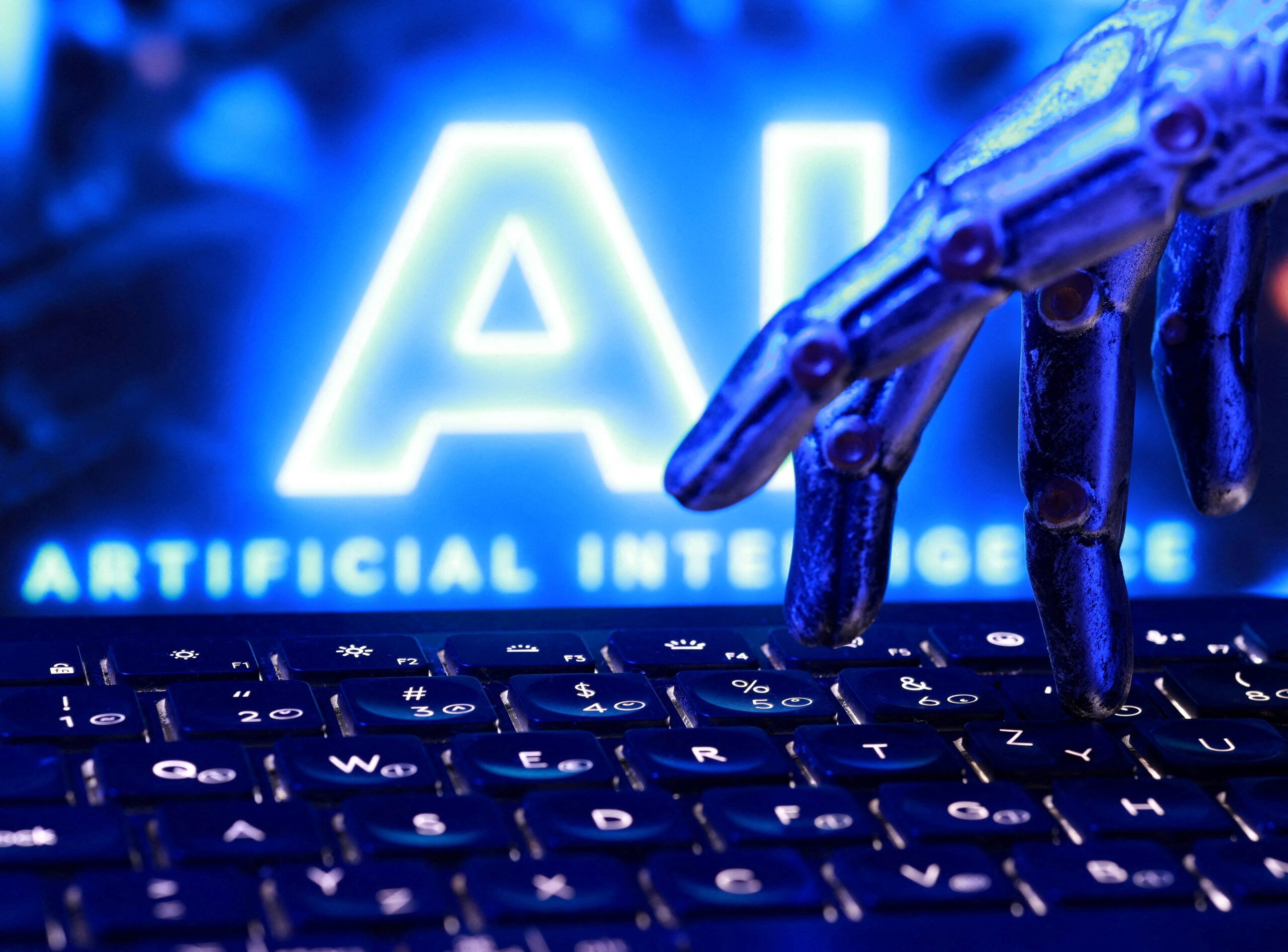
AI. 'AI Artificial Intelligence' words, a keyboard and a robotics hand in this illustration taken, September 23, 2026 Dado Ruvic/Reuters The challenge is not just that AI-generated content is becoming more realistic. It’s that many people are unsure whether they’re able to recognize it at all. A significant majority of Australians (76%) have encountered AI-generated content they initially believed was real, highlighting challenges in distinguishing between AI and human-made content. Despite high usage of AI tools, trust in them remains low, with only a minority expressing trust in major platforms like ChatGPT and Microsoft Copilot, and a strong desire for safeguards and transparency in AI-generated content. Education and AI literacy are crucial for improving recognition of synthetic content, with calls for a national approach to media and AI literacy education to better equip Australians in navigating the evolving digital landscape. This is AI-generated. Read the article for full context. Report any errors. Most Australians are using – or at least have tried out – generative artificial intelligence (AI) tools such as ChatGPT, Copilot and Gemini, among many others. We can use them to search for information, answer questions, and generate text, images, sound and video. As generative AI becomes more sophisticated and ubiquitous, many people are no longer able to distinguish AI-generated content from authentic, human-made content. Our new representative survey of 2,000 Australian adults conducted in August and September 2026 found 76% of Australians had recently encountered content they initially believed was real, only to later discover that it had been generated by AI. The challenge is not just that AI-generated content is becoming more realistic. It’s that many people are unsure whether they’re able to recognize it at all. The synthetic trap People with high levels of education who are interested in the technology and have high AI literacy are the most likely to report having mistaken AI content for real. However, this doesn’t mean these groups are more exposed or susceptible to AI-generated content. Instead, the data suggests these people are better at recognizing when they’ve been misled. In fact, people with low education and lower AI literacy are the most likely to say they don’t know whether they have mistaken AI content for real. Therefore, many Australians may not recognize when they have encountered synthetic content. This presents a dilemma for users who are increasingly turning to AI tools to seek information. Trust in AI is low While AI use has grown rapidly, many are skeptical of the technology and concerned about how it might impact society. About half (51%) of Australian respondents said they use AI chatbots or tools at least weekly, and more than one quarter (28%) use them daily. Almost everyone (96%) is aware of at least one generative AI platform. Despite widespread awareness and usage, trust in major AI tools remains very low. When asked “how much do you trust or distrust generative AI chatbots or tools?” only a minority said they trust ChatGPT (34%), Microsoft Copilot (24%), Google Gemini (24%) and Claude (17%). Our survey also shows people are particularly distrustful of politicians and social media companies that use generative AI. More than half of Australians believe the use of AI by politicians and political parties will make society worse, with social media companies and news media viewed almost as negatively. In contrast, the report reveals that people view scientists and healthcare professionals as the most trustworthy and benevolent users of AI, with around half saying their use of the technology will improve society. How do people verify content? Despite this high level of exposure to AI-generated content and low levels of trust, people rarely use proactive measures to identify or verify if content was AI-generated. When people suspect AI-generated content, the majority simply take a closer look and examine the content carefully, relying on their intuition. Some check comments made by other online users. But few people look for disclosure statements or labels to identify whether it was made with AI, and even fewer turn to trusted sources of news. Rather than engaging in lateral reading – leaving the content and checking independent sources – most people engage in vertical reading, which involves only looking within the source. They scrutinize the content itself and rely on their own judgment. This approach becomes less effective as AI-generated content becomes increasingly convincing. Generally, younger people are more likely to check whether information is true, using a range of verification strategies. The exception is checking a trusted news source, which is more common among those aged 45 and over. Instead, young adults are far more likely to look at comments from other users than older age groups. Additionally, AI literacy plays an important role in people’s verification strategies. Those with high AI literacy are much more likely to closely examine content than those with low understanding of the technology, suggesting that education about how AI works supports more active and critical evaluation of online information. People want strong safeguards Because of the low levels of trust in the technology, Australians say they want strong safeguards around it. Most importantly, they want protections to ensure accuracy and reliable responses when they are using an AI platform. They also want guardrails in place to prevent AI from generating illegal, dangerous or harmful content, and protections to reduce the presence of bias and ensure fairness and equity in the content it generates. This points to the need for a multi-pronged response from the tech platforms and government. First, digital platforms need clearer and more consistent labeling of AI-generated content. If people are expected to make informed decisions about what they’re seeing, they need transparent information about where that content comes from. Second, the findings show people with higher levels of AI literacy are better equipped to recognize synthetic content and engage in more critical evaluation practices. We need to educate all Australians with media and AI literacy. Education in schools is important, but adults need training too. We need a whole-of-society approach where adults can have access to education through local community or workplace initiatives. Australia already lags behind other countries when it comes to media literacy education, and the rapid increase in AI only makes the need for a national approach more urgent. – via Reuters/Rappler.com How does this make you feel? Loading
76% of Australians struggling to tell apart real and AI content – new report
Full Article
Original Source
Read the full article at Rappler →KhanList aggregates and links to publicly available news content. We do not host full articles from third-party sources. Always verify important information with original sources.