
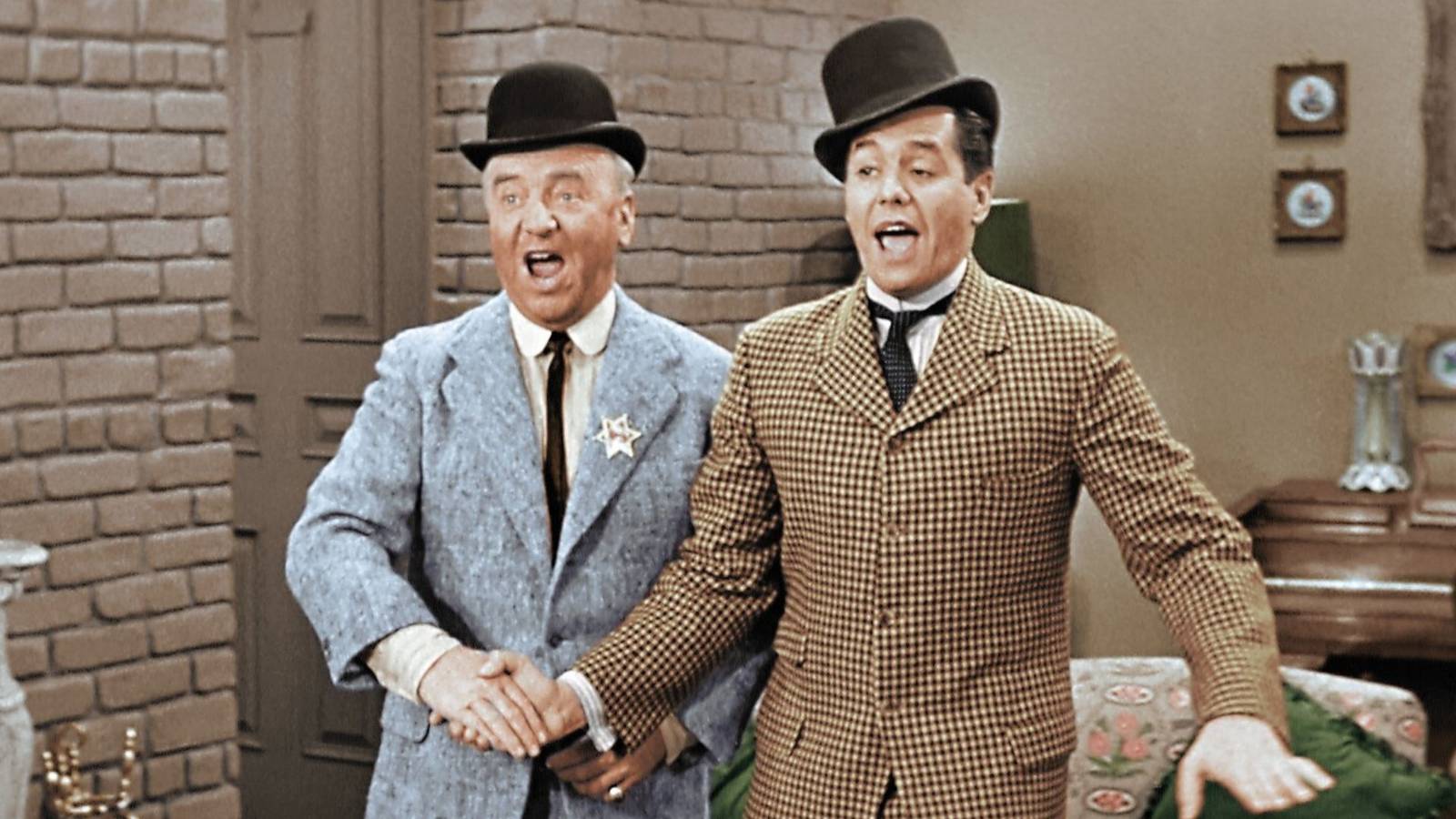
Published Sep 6, 2026, 8:15 PM EDT Faith Roswell is a Senior Writer on Screen Rant's Classic TV team. Since earning her degree in Creative Writing over a decade ago, Faith has written articles on film and TV from a variety of different angles. Faith now combines her knowledge of psychology with her love of monster movies to give more insight into what makes the best ones. You may have read her Screen Rant lists and features covering horror, sci-fi, and fantasy, or read her Amazon Top 10 book, "Movie Monsters of the Deep." Faith has had an extensive career as a writer, appearing on BBC live radio, researching true crime for Rotten Mango podcast, and writing for publications including Mental Floss, Atlas Obscura, and The Daily Jaws before beginning here at Screen Rant. Now immortalized in modern TV shows through hourglass dresses as seen in Mad Men, archaic gender roles, and "odd couple" romances, the 1950s is an instantly-recognizable period in history, but very few TV shows from the era can be said to have aged well. However, one "really old" TV show that can still be considered a masterpiece is a 1951 classic that not only largely holds up today, but is responsible for revolutionizing TV as we know it. Of all the groundbreaking shows that changed the TV landscape, this is perhaps the most significant of all time. The most influential TV sitcom of the 1950s was undoubtedly Lucille Ball's Primetime Emmy Award-winning show, I Love Lucy. However, the series' influence and that of its stars can be felt across multiple genres, even including modern TV shows, from The Nanny to The Big Bang Theory. The series followed the fictional Lucy Ricardo (Ball) as she and her friends concocted increasingly elaborate schemes to get her into show business alongside her husband, Ricky, played by Ball's real-life husband, Desi Arnaz. The resulting mishaps and slapstick comedy turned the show into one of the most beloved of all time. I Love Lucy Debuted On CBS 75 Years Ago Today After Lucille Ball's growing popularity saw her in high demand, she and Arnaz pitched a TV show in which they played a fictional husband and wife, despite executives feeling that audiences would not believe in a marriage between an American woman and a Cuban man. The two proved them wrong by developing a popular vaudeville act, resulting in a pilot episode being commissioned. I Love Lucy debuted on CBS on September 6, 1951 and while Lucille Ball's best movies never took her to the level of an A-list celebrity, I Love Lucy became an overnight success. Of all 180 episodes, the best episodes of I Love Lucy showcase Lucille Ball's comedic genius, but with her beauty and background in modeling, she was not the obvious choice of actor to play such an outlandish character. However, her signature style would form the blueprint for other comedies with a female lead. Unlike many similar actors of the time who remained more poised, even in comedy, Ball's exaggerated facial expressions, slapstick antics, and distinctive makeup made her hard to forget, while Arnaz played the perfect foil, while remaining believable. Lucille Ball And Desi Arnaz Basically Invented Modern Television I Love Lucy combined several different ideas that resulted in a TV show that felt different from every sitcom that had come before, from its characters to its filming style. Lucy Ricardo was the kind of oddball character that was generally played by men, and Lucille Ball's performance blazed a trail for female comedians like Phyllis Diller and, later, Julia Louis-Dreyfus. Most modern sitcoms are filmed with multiple cameras, and this is thanks to I Love Lucy's pioneering approach using three cameras and a live studio audience, making the show feel like a stage play. The three-camera setup allowed for wide shots and close-ups to be captured without interrupting filming, and it has since become the standard technique for filming the genre in front of a live audience. Not only did the show break ground, but I Love Lucy also broke TV rules, tackling subjects that were unheard-of in a 1950s TV show. Viewers might find it hard to find a modern sitcom without a pregnancy story, but when I Love Lucy wrote Ball's real-life pregnancy into the show, it was considered such a taboo that even saying the word "pregnant" was not allowed onscreen. I Love Lucy was nominated for 21 Emmy Awards, winning five of them. Even away from I Love Lucy, Ball and Arnaz, under the combined name Desilu, revolutionized TV industry practices. By retaining control of the negatives, the show could be aired again, reflecting the re-releasing and syndication common today, and the couple's formidable creative and business sense resulted in some other surprising successes. Star Trek happened thanks to Lucille Ball, with Desilu producing the pilot episode, and she would later save Mission: Impossible from cancelation. The legacy of I Love Lucy cannot be overstated, and without the show, modern TV from sitcom to sci-fi would look very different. Release Date 1951 - 1957-00-00 Network CBS Directors William Asher, Marc Daniels Cast Lucille Ball Lucy Ricardo I Love Lucy follows the comedic adventures of Lucy Ricardo and her husband, Ricky, a Cuban bandleader. As Lucy persistently attempts to join Ricky's performances at the Tropicana, their apartment life becomes a whirlwind of humorous situations alongside their best friends and landlords, Fred and Ethel Mertz.
75 Years Ago Today, A 180-Episode Comedy Masterpiece Invented Modern Television
Full Article
Original Source
Read the full article at Screenrant →KhanList aggregates and links to publicly available news content. We do not host full articles from third-party sources. Always verify important information with original sources.