
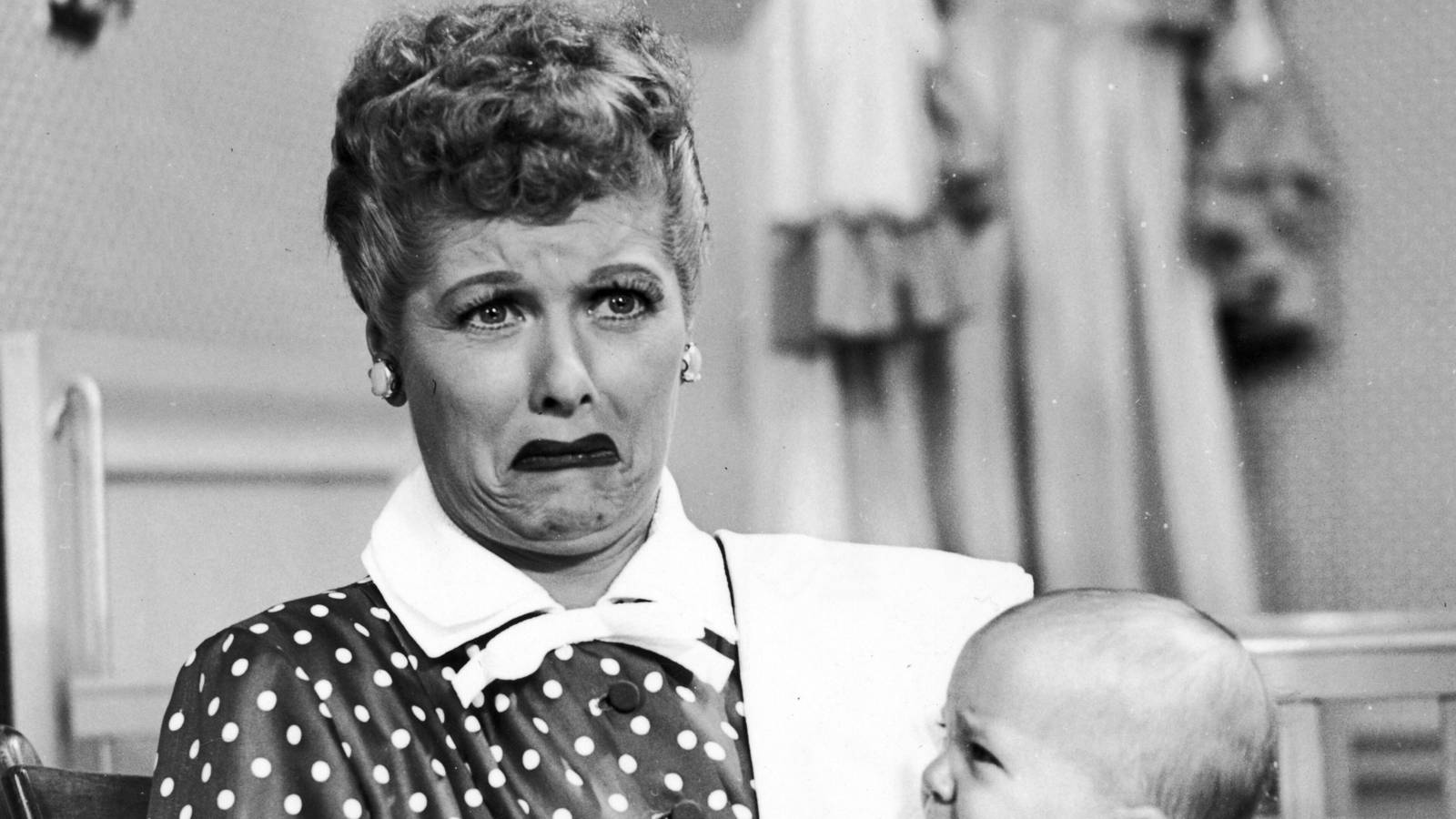
Published Aug 26, 2026, 6:45 PM EDT Ben Sherlock is a Tomatometer-approved film and TV critic who runs the massively underrated YouTube channel I Got Touched at the Cinema. Before working at Screen Rant, Ben wrote for Game Rant, Taste of Cinema, Comic Book Resources, and BabbleTop. He's also an indie filmmaker, a standup comedian, and an alumnus of the School of Rock. Very few sitcoms have been quite as influential and groundbreaking as I Love Lucy. Fawlty Towers brought farce to the small screen; The Mary Tyler Moore Show pioneered the workplace family; and Cheers originated all the tropes of ensemble comedies. But I Love Lucy singlehandedly created the sitcom as we know it today. The way sitcom stories are structured, and the way sitcom casts bounce off each other, all started with I Love Lucy. More than 70 years later, I Love Lucy still holds up. The classic episodes are still just as hilarious today, and Lucille Ball remains an unparalleled comedic genius. I Love Lucy wasn’t just a weekly half-hour of laughs; it was also a major proponent of social change. With the classic season 2 episode “Lucy is Enceinte,” I Love Lucy’s writers wrote Ball’s real-life pregnancy into the show. This would become relatively standard practice for TV shows with pregnant cast members (just look at Phoebe’s surrogate storyline in Friends), but it was considered a huge risk when Lucy did it. In the 1950s, you weren’t even allowed to say the word “pregnant” on TV; that’s why they used the French translation, “enceinte.” So, I Love Lucy broke a major taboo when it had a pregnant woman show up on television as a pregnant character, and then followed that pregnancy for the rest of her season arc. Unsurprisingly, this universal subject matter resonated with audiences. I Love Lucy’s boundary-pushing pregnancy storyline popularized the term “expecting,” and the episode where Lucy gives birth broke viewership records. While censors were desperately keeping the word “pregnancy” at bay, people were still getting pregnant, and almost everyone had firsthand experience of a pregnancy, so audiences across America related to Lucy’s own pregnancy. This storyline is indicative of just how revolutionary I Love Lucy was for its time. I Love Lucy Blazed The Trail For Women In Comedy Via MovieStillsDB Women in comedy have always faced an uphill battle. For some reason, society has a misguided notion that men are funnier than women. Even after legendary comedians like Joan Rivers and Carol Burnett and Lily Tomlin had more than proven that female comics could be just as hilarious as their male counterparts, a lot of powerful men in the entertainment industry still held onto that antiquated assumption. Before I Love Lucy came along, and for decades after it went off the air, TV comedies often relegated women to the most boring, humorless roles in the series. In Everybody Loves Raymond, Debra has to sit on the sidelines, folding laundry and rolling her eyes, while her zany husband gets to have all the fun. I Love Lucy flipped that dynamic on its head: Lucy is the wacky comic personality — the one getting into all the crazy antics — while her husband, Ricky (played by Ball’s own husband, Desi Arnaz), is the exasperated voice of reason standing on the sidelines, reacting to her wild misadventures. All the hilarious women who made their mark on the sitcom after I Love Lucy are standing on the shoulders of Lucille Ball. From central protagonists, like Liz Lemon and Leslie Knope and Broad City’s Abbi and Ilana, to scene-stealers in an otherwise all-male cast, like Julia Louis-Dreyfus in Seinfeld and Kaitlin Olson in It’s Always Sunny in Philadelphia, all these great characters and performances owe a huge debt to Ball. I Love Lucy’s pregnancy storyline is a great example of just how groundbreaking the show was, but that’s just the tip of the iceberg. The show had an episode dealing with women’s liberation, as Lucy and her friend Ethel demanded fairer treatment from their husbands, as well as plenty of episodes dealing with marital strife, money problems, and career ambitions. I Love Lucy Release Date 1951 - 1957-00-00 Network CBS Cast Lucille Ball Lucy Ricardo
74 Years Ago, I Love Lucy Changed Sitcoms Forever By Breaking A TV Rule
Full Article
Original Source
Read the full article at Screenrant →KhanList aggregates and links to publicly available news content. We do not host full articles from third-party sources. Always verify important information with original sources.