
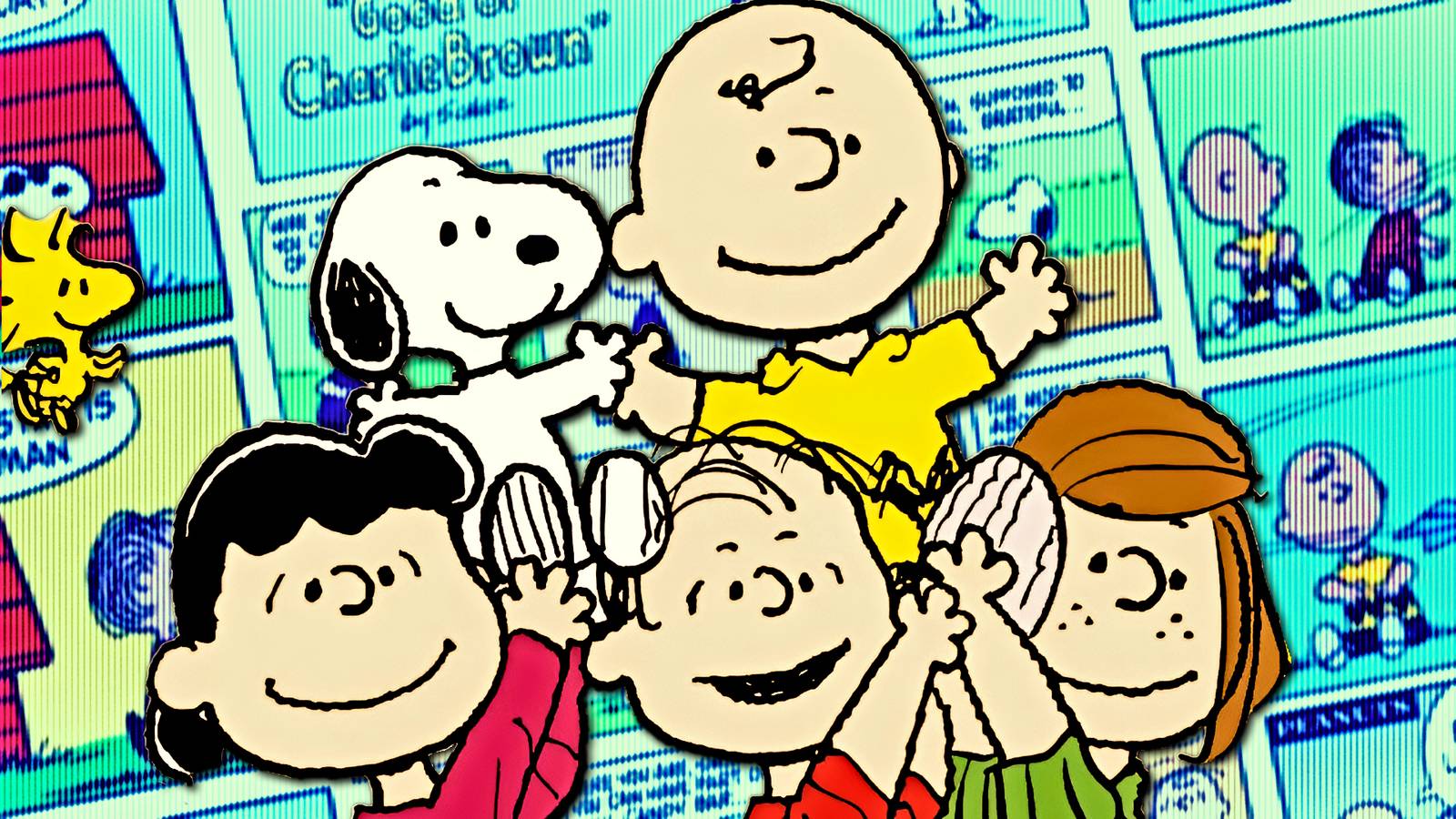
Published Oct 27, 2026, 9:35 PM EDT Vanessa Piña has been writing as a journalist for over two years. As a senior writer, she focuses on timely coverage of the latest anime releases and popular comic franchises. The term "retcon," short for "retroactive continuity," is often a subject of controversy in the world of comics, as it is frequently employed in franchises like Marvel and DC, where the origins of superheroes have been altered time and time again. While it may seem strange to associate such changes with comic strips like Peanuts, Charles M. Schulz also applied this storytelling technique throughout the years. Yet, far from harming the work through poorly executed retcons, some were actually key to the comic strip's success. Over the course of the comic strip’s run, Schulz abandoned several ideas and characters, either because they failed to connect with the public, no longer fit in with the Peanuts gang, or because the cartoonist decided to head in a different direction and pursue a different type of gag. A totally different scenario is the natural evolution seen in characters like Snoopy, who took on a new dimension over time. He transitioned from his design during his debut in 1950 into a more anthropomorphic and imaginative beagle. Snoopy's evolution didn't alter what had already been established in the series, instead representing an organic shift in line with the changing nature of the comic strip. However, one of the most significant characters in Peanuts who actually underwent a rewrite was Linus van Pelt, the brother of Lucy and Rerun, and the little philosopher who fans know and love. One Change to Linus Helped Charles M. Schulz Make Peanuts More Iconic Although Lucy mentioned him for the first time in July, Linus van Pelt made his Peanuts debut a couple of months later, on September 19, 1952. What’s interesting, however, is that he was literally Lucy’s "baby brother," an infant who couldn’t even sit up on his own. Linus wore diapers, played with blocks, and could neither speak nor walk, but he aged at an accelerated rate. It was never explicitly stated, but initially, there appeared to be a gap of about four years between Linus and the rest of the group. Yet, over the following years, he went from being a baby to being only slightly younger than Lucy and Charlie Brown, eventually speaking for the first time in 1955. Linus’s rapid aging process seemingly culminated on January 18, 1956, by which point he was seen interacting naturally, as an equal, with Charlie Brown, and formally asked him to become friends. While not exactly a straightforward retcon, it's clear that Schulz retroactively aged Linus, given that the rest of the characters remained relatively the same. After becoming friends with Charlie Brown, Linus gained increasing prominence, suggesting that Schulz intended to make him a peer to the rest of the gang to allow for more frequent appearances. Other characters who aged up fast were Schroeder, Sally Brown, and Linus' brother Rerun. But even if they all became iconic characters in the comic strip, Linus earned a special place among the fans, contributing to some of Peanuts' most memorable quotes and scenes. Linus van Pelt Is One of Peanuts’ Greatest Characters for a Reason Peanuts wouldn’t be the same without Linus van Pelt. By giving him a bigger role, Schulz was able to turn him into the philosopher of the series, offering profound moral and intellectual reflections, as well as musings that delighted readers for decades. Linus became Charlie Brown’s best friend and confidant, and he was also the source of some of the comic strip’s biggest icons, such as The Great Pumpkin. This unusual origin is what led to Linus having his iconic security blanket in the comic strip, an item that remained with him from the time he was a baby and has left a mark on history, popularizing the term. Therefore, although retcons are often viewed negatively, seen as shortcuts authors take to reinvent their stories that don't always succeed, the retroactive aging of Linus actually helped create one of Peanuts' most popular characters. This highlights Charles M. Schulz’s genius in knowing how to imbue his characters with distinct identities that, even when altered, integrate seamlessly into Peanuts' world. Movie(s) A Boy Named Charlie Brown, Snoopy, Come Home, Race for Your Life, Charlie Brown, Bon Voyage, Charlie Brown (and Don't Come Back!), The Peanuts Movie TV Show(s) Peanuts, Peanuts, The Snoopy Show Comic Peanuts First Film A Boy Named Charlie Brown First TV Show Peanuts Genres Kids & Family Created by Charles M. Schulz, Peanuts is a multimedia franchise that began as a comic strip in the 1950s and eventually expanded to include films and a television series. Peanuts follows the daily adventures of the Peanuts gang, with Charlie Brown and his dog Snoopy at the center of them. Aside from the film released in 2015, the franchise also has several Holiday specials that air regularly on U.S. Television during their appropriate seasons.
70 Years Ago, Peanuts’ Most Important Retcon Changed the Comic Strip Forever
Full Article
Original Source
Read the full article at Screenrant →KhanList aggregates and links to publicly available news content. We do not host full articles from third-party sources. Always verify important information with original sources.