
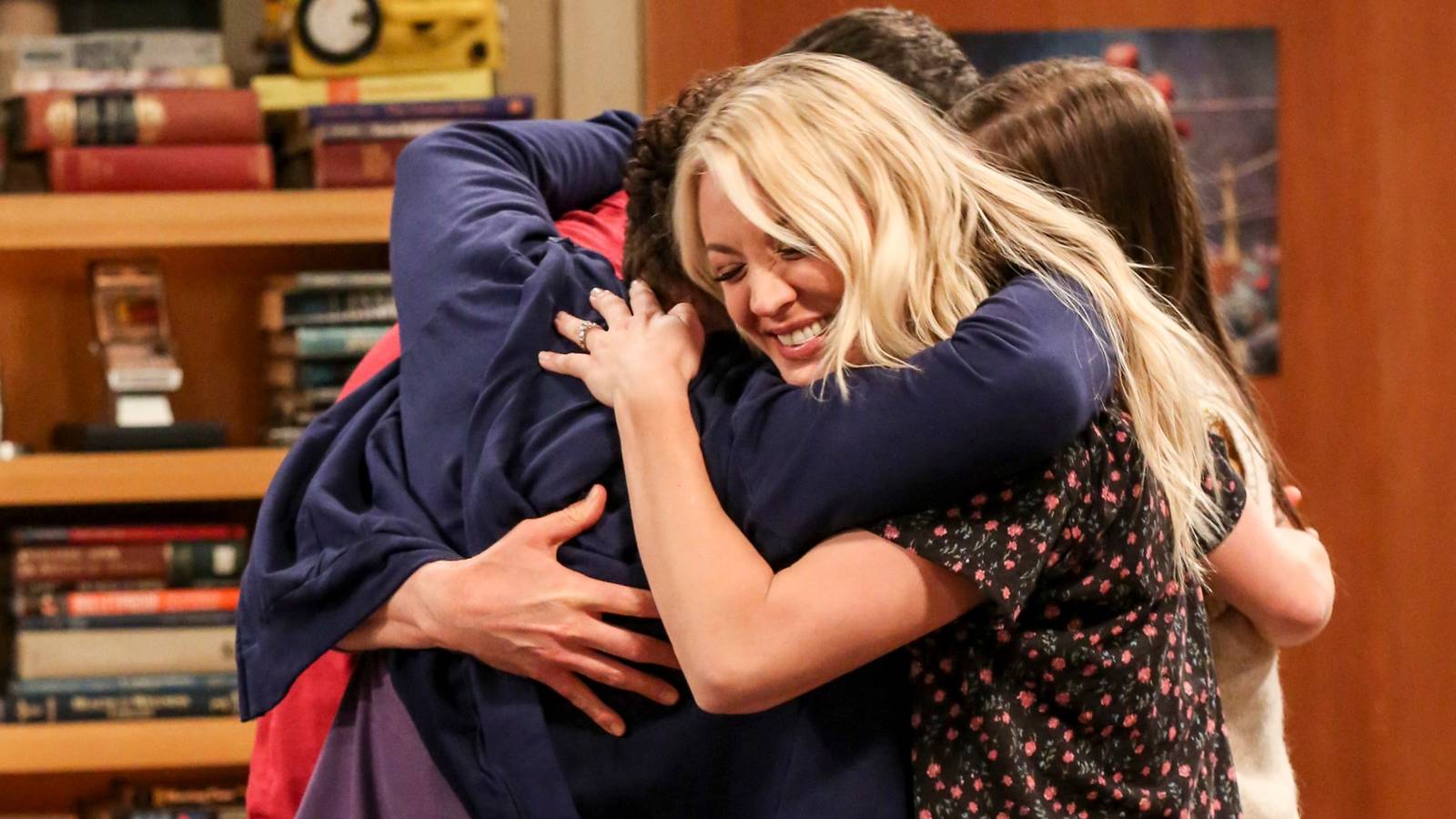
Published Nov 24, 2026, 3:28 PM EST Cathal Gunning has been writing about movies, television, culture, and politics online and in print since 2017. He worked as a Senior Editor in Adbusters Media Foundation from 2018-2019 and wrote for WhatCulture in early 2020. He has been a Senior Features Writer for ScreenRant since 2020. While The Big Bang Theory was a colossal success during its run, it is now clearer than ever that the show’s series finale spelled the end for the cultural dominance of network TV sitcoms as an institution. No network sitcom has come close to matching The Big Bang Theory’s ratings since the sitcom’s 2019 series finale, and even the closest competitor, Young Sheldon, was its own spinoff. The Big Bang Theory’s finale signaled the end of an era for the live-action network sitcom as a TV institution, even though a handful of long-running animated shows like The Simpsons and Family Guy survive to this day. When it comes to live-action sitcoms, The Big Bang Theory’s series finale was a cultural touchstone that marked the moment streaming services took the gradual decline of network sitcoms and set their fate in stone. The Big Bang Theory was a unique success in its prime, proving a hit on both live broadcast and streaming. The cultural impact of The Big Bang Theory was unmistakable, both from the fact that the series directly spawned the spinoffs Young Sheldon, Georgie & Mandy’s First Marriage, and HBOMax’s streaming show Stuart Fails To Save the Universe, and from the many unrelated shows it helped green light, including Mythic Quest, Silicon Valley, and arguably even Community. The Big Bang Theory Is The Last True Mega-Hit Sitcom Credit: Everett Collection However, while The Big Bang Theory helped usher nerd culture into the mainstream throughout the late 2000s and 2010s, there hasn’t been a sitcom since that recaptured its massive appeal. At the height of its popularity, The Big Bang Theory’s colossal 19 million season 8 average rivaled HBO’s fantasy epic Game of Thrones, making the humble CBS hang out show one of the biggest TV series in the world. The Big Bang Theory had a season 8 peak average of over 19 million viewers, with over 18 million of those viewers returning for the show’s series finale three years later. In contrast, Young Sheldon hit a season 1 average of 16 million, with only 9 million remaining by its finale. Even this finale performance was considered to be staggering at the time due to streaming’s impact on network sitcom ratings, and network TV ratings across the board. In this regard, the historic popularity of The Big Bang Theory finale marked the end of a multi-decade trend, as the relevance of network sitcoms waned in tandem with the rise of cable TV in the ‘90s, 2000s, and 2010s. Throughout the ‘50s, ‘60s, and ’70s, iconic American sitcoms like I Love Lucy, MASH, All in the Family, and Cheers were often the single most viewed shows on TV in their respective years, with only occasional sports broadcasts outdoing their record numbers. However, as early as the mid-‘90s, dramas like E.R. were starting to borrow the top spot from sitcoms like Seinfeld and Friends, and the 2000s saw huge hits like CSI, Desperate Housewives, House, Grey’s Anatomy, and E.R. consistently challenge sitcoms for the network TV top spot. At the same time, cable TV was emerging as a competitor to broadcast network TV, encouraging network TV writers to experiment with new narrative styles and subject matter. Network TV’s Current Business Model Limits The Number Of Comedy Being Produced Image courtesy of MovieStillsDb As cable TV pushed the boundaries of what could be depicted onscreen, network TV reacted by changing its own norms to remain relevant in the cultural conversation. Thus, even though sitcoms like Seinfeld are among the most-watched shows of the ‘90s, these traditional network hit comedies now needed to compete with edgy network offerings like Twin Peaks and The X-Files, as well as even more daring cable shows like Sex and the City and The Sopranos. Sitcoms were consistently the most watched shows in the 70s and 80s, only to become just some of the most watched shows in the 2000s and 2010s. That said, if the emergence of cable was a problem for the sitcom format, the streaming era changed the cultural environment even more. A Ricky Mulvey article for KRWG public media noted that sitcoms accounted for 12% of new shows in the ‘90s, only for that number to drop vertiginously to a mere 2% in the 2020s. As noted by Nellie Andreeva in a Deadline article on the topic, sitcoms were once a dream come true for TV networks thanks to the traditional syndication business model. Once a show had aired 100 episodes, which were often produced at relatively low cost in the case of sitcoms, the series would enter off-network syndication and become incredibly profitable thanks to revenue accrued from its existing episodes being played as reruns. Now, the rise of streaming has changed the network sitcom forever. Network sitcoms were on a quiet decline pre-2020, as Mulvey’s article notes. That decline has only worsened with the cancellation and short runs of 2020s sitcoms like Going Dutch, Young Rock, DMV, and Night Court’s reboot, among others. Even one of the most deservedly acclaimed sitcoms of the 2020s, ABC’s hit Abbott Elementary, has never come close to a 2010s sitcom’s expected audience share. Can Network TV Revive The Popularity Of Sitcoms? CBS (via MovieStillsDb) This is partially because all traditional broadcast ratings are down, but sitcoms have been hit harder than many of their competitors. Back in 2018, The Conners had highs of 10 million and The Neighborhood hit highs of 8 million the same year, only for Georgie & Mandy’s First Marriage and Ghosts to manage highs of only 7 million a few years later. NBC is quietly building its stack of sitcoms, with The Fall and Rise of Reggie Dinkings, St Denis Medical, Newlyweds, and Happy’s Place, but only time will tell how this plan pans out. While sitcoms were once, for decades, the undisputed biggest shows on network TV, crime procedurals, reality TV events, and sports broadcasts were already challenging that paradigm in the 2000s. Admittedly, Frasier’s David Hyde Pierce has a comedy in-development, and Sunset P. I is set to bring Brooklyn Nine-Nine’s Dan Goor and Luke Tredici back to network TV with New Girl star Jake Johnson in the lead. However, the chances that these projects could bring network sitcoms back to their glory days seem increasingly low. The Neighborhood and The Conners gradually lost viewers as their respective runs continued, while TV’s biggest ongoing sitcoms, Ghosts and Georgie & Mandy’s First Marriage, debuted to lower ratings thanks to the broader industry-wide shift outlined above. The rise of streaming gave viewers more options, and sitcoms on network TV still haven’t recovered since The Big Bang Theory’s series finale. Sources: KRWG Deadline Release Date 2007 - 2019-00-00 Network CBS Showrunner Mark Cendrowski
7 Years Later, The Big Bang Theory Truly Ended An Era For Sitcoms
Full Article
Original Source
Read the full article at Screenrant →KhanList aggregates and links to publicly available news content. We do not host full articles from third-party sources. Always verify important information with original sources.