
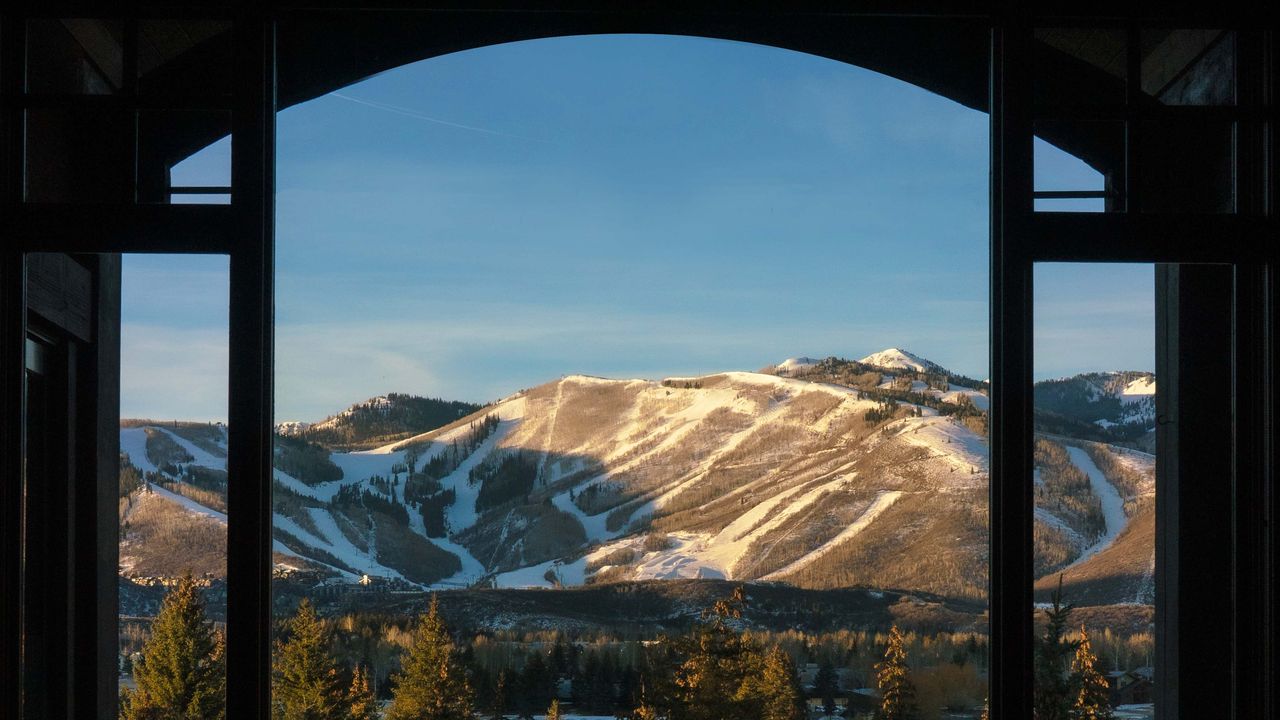
The 2026–27 El Niño could be the strongest on record. Before booking your next ski vacation, here's what to know.GettyThe great El Niño is back, and if you’re a skier, that’s more than just a nerdy weather term—it can be the difference between a good ski trip and a great one.The El Niño climate pattern, which is caused by warmer-than-average ocean temperatures in the tropical Pacific, can shift the winter storm track across the US. That can determine which mountains get dumped on, and which will sound like an ice-skating rink.This year is forecasted to be a “Super” El Niño winter—meaning NOAA put the odds of a very strong El Niño as of January 2027 at 90% or greater, along with a 69% chance that the event will be the strongest on record since at least 1950. Historically, El Niño winters lead to wetter conditions in the Southern US and warmer and drier conditions in the North.I’ve been snowboarding for most of my life (and am now spending more time on skis), so I’ve learned that the timing of a ski trip matters almost as much as the mountain itself. And after a lackluster 2025–26 season in some of the most popular skiing parts of the western US, I’m especially eager to see what this winter will bring. The current outlook favors wetter conditions across the southwest, putting California, New Mexico, Arizona, and southern Colorado in an interesting position (while Utah and the northern Rockies are less straightforward). In the northeast, an El Niño winter typically means that conditions will be warmer, and thus more dependent on individual coastal storms for snowfall. (It's important to note that in any of these locations, unexpected storms can change conditions on a dime, so be sure to check your local mountain forecasts for timely updates.)This winter's snow season is already off to an early start, with AccuWeather reporting October snowfall across the Sierra Nevada, Great Basin, and Central to Southern Rockies. According to NOAA, these initial snowfalls signal a highly active southern storm track that favors above-average precipitation for western mountain ranges like these.El Niño historically packs its biggest punch in mid-to-late winter, so it's still too early to be completely certain about how the rest of the 2026–27 season will shake out. But the recently released winter forecasts from the experts at Weather Channel, SnowSure, and NOAA are a good place to start. With all that taken into consideration, these are the 7 US mountains and ski resorts that I'm keeping an eye on this season.Mammoth Mountain, CaliforniaPalisades Tahoe, CaliforniaTaos Ski Valley, New MexicoTelluride, ColoradoArizona Snowbowl, ArizonaPark City, UtahAlta Ski Area, UtahTraveler-recommended ski gear for your next tripFrequently asked questionsA snowy slope awaits at Mammoth, California’s highest ski-resort summit GettyMammoth Mountain, CaliforniaMammoth is exactly the kind of mountain that makes the El Niño forecast worth watching. When the weather event sets up, the Pacific jet stream typically shifts south, steering more winter storms toward California and the southern half of the US—and NOAA’s latest outlook favors wetter-than-normal (essentially, increased snowfall) conditions across California this winter. Of course, this doesn’t 100% guarantee a powder season, but it puts Mammoth in an interesting spot.The Eastern Sierra resort rises to 11,053 feet, making Mammoth California’s highest ski-resort summit, and its 3,500 acres mean there’s plenty of mountain for first-timers finding their turns and seasoned skiers hunting for steeper lines. After just 297 inches at Main Lodge last season, I’ll be watching to see whether this winter’s storm track gives Mammoth more of the big, deep days it’s been historically known for.When to (loosely) plan your trip: Mid-January through March 2027; according to Mountain Marker, this is the highest probability window for active, southerly Pacific storm cycles creating deep powder that's worth chasing.Where to stay on and around Mammoth Mountain:Best for ski-in/ski-out condos: The Village LodgeBest for jaw-dropping views of the Sierras: The Westin Monache ResortBest for affordable ski trips on the slopes: Mammoth Mountain InnA snowy winter view of Lake Tahoe from the top of Palisades Tahoe Ski Resort, California GettyPalisades Tahoe, CaliforniaIf El Niño is going to send more winter storms toward California, Palisades Tahoe is another kind of mountain that you may want to rearrange your calendar around. Straddling the north shore of Lake Tahoe, the resort has a huge range of terrain across Palisades and Alpine, from wide-open groomers and mellow runs to bowls, steeps, and the kind of powder days that have made this corner of the Sierra a cult favorite.El Niño doesn’t guarantee a banner snow year here, but this is one of the regions that can benefit when the pattern pushes the storm track south, making Palisades a more appealing bet for significant snowfall. And with 6,000 acres of skiable terrain and a high point of 8,900 feet? There’s plenty of room to spread out when the snow arrives. When you finally call it a day, Lake Tahoe is right there—it's a pretty spectacular backdrop for a ski trip, powder or not.When to (loosely) plan your trip: Mid-February through late March 2027; according to Mountain Marker, the region is set to average 186% to 256% of its normal snowpack during the strongest El Niño cycle at this time.Where to stay on and around Palisades Tahoe:Best for direct ski access: The Village at Palisades TahoeBest for Olympic Valley views: Everline Resort and Spa, Lake TahoeBest for a group-friendly condo: Ski-in/ski-out penthouse AirbnbTaos Ski Valley is scenic and underrated—this year, New Mexico just might be the it-winter destination. GettyTaos Ski Valley, New MexicoTaos is the kind of ski trip that feels like a real change of scenery, and this year there’s an extra reason to have this under-rated mountain on your radar. New Mexico is one of the southern resorts that can see a spike in snowfall during El Niño winters.According to Nomadmess Rentals, Taos Ski Valley's “high base elevation and mountainous terrain can support quality snow when temperatures and moisture align.” This makes the charming region even more of a prospect given this winter's forecast.Tucked into the Sangre de Cristo Mountains, Taos rises from 9,207 to 12,163 feet and packs more than 1,200 acres of terrain into a surprisingly distinctive ski experience, from groomed runs to steep chutes and bowls. Wintertime in New Mexico is unique because skiers and non-skiers alike can enjoy its famous powder (often even lighter than Utah’s famous fluff), a vibrant art scene, historic adobe architecture, and stunning high-desert landscapes. Even if you never leave Taos's ski village, there's plenty for the whole crew.When to (loosely) plan your trip: Late-January through early March 2027; according to the official Taos Ski Valley website, this is most likely when the southern storm track is set to deliver deep Pacific moisture to the Southern Rockies.Where to stay on and around Taos Ski Valley:Best for a stay just steps from the main lift: The Blake at Taos Ski ValleyBest for family-friendly fun: Tiarra del Sol CondosBest for mountain proximity and ski amenities: Alpine Village SuitesThe famed Ajax peak view from the historic, downtown Main Street in Telluride, Colorado GettyTelluride, ColoradoTelluride is one of those places where I’d happily book the trip even before checking the snow report—but this winter, the El Niño forecast is bringing it even higher on my list. The pattern often shifts the winter storm track south, which can favor southern Colorado; Of course, that doesn’t mean every storm will land here—the region will still need the right mix of temperature, wind, and elevation to receive above average snowfall.Telluride’s ski area stretches across more than 2,000 acres, from wide, forgiving groomers to steep chutes and bowls, with the terrain climbing to 12,570 feet. Then there’s the town itself: historic, walkable, and surrounded by enormous San Juan peaks, with a free gondola making it easy to get between Telluride and Mountain Village. For me, that combination of a potentially favorable storm track and a genuinely memorable place to spend a few winter days makes Telluride a standout for this winter.When to (loosely) plan your trip: Late October through December 2026 and again in March and April 2027; according to OpenSnow, the forecast notes that snowfall is “most heavily weighted toward the early and late seasons” with above-average snowfall favored in these windows.Where to stay on and around Telluride:Best for upscale on-mountain lodging: Madeline Hotel & Residences, Auberge CollectionBest for a historic stay and downtown fun: New Sheridan HotelBest for ski-on/ski-off access surrounded by the Rockies: The Peaks Resort and SpaThough a wild-card for El Niño, Arizona Snowbowl is an underrated gem with lots to offer for all kinds of skiers. GettyArizona Snowbowl, ArizonaArizona Snowbowl is a fun wildcard for an El Niño winter. Perched on the San Francisco Peaks just north of Flagstaff, it’s about as far from the image of desert Arizona as you can get: The base sits at 9,200 feet, lifts climb to 11,500 feet, and the mountain averages around 260 inches of snow a year. According to the official Snowbowl website, during the most recent El Niño winter, in 2023–24, Snowbowl received 281 inches of snow, which kept riding open through (a whopping!) June 1st. This is an enticing example of what this pattern can do for northern Arizona this time around–especially after a relatively dry 2025–26 season that only brought 150 inches.And Snowbowl isn’t just for avid powder hounds: Its 777 acres include 61 runs and the largest beginner terrain in the Southwest, so less-seasoned skiers can have just as much fun as the people looking for steeper turns.When to (loosely) plan your trip: All through February (with March depending) 2027; according to Snowbowl, February is the preferred month for deep snow coverage and storm totals, which is likely to stretch into March.Where to stay on and around Arizona Snowbowl:Best for a group-friendly log cabin with peak views: Modern rustic cabin AirbnbBest for affordable stays on the mountain: Basecamp at SnowbowlBest for frequent ski pass discounts (as a Snowbowl partner): High Country Motor LodgeThanks to El Niño, hitting the slopes in Park City might just be a touch more endearing this year compared to last. GettyPark City, UtahPark City is the kind of place where a ski trip can easily turn into a full-on mountain-town getaway: mornings on the Wasatch, afternoons wandering historic Main Street, and evenings moving between après spots, restaurants, and the old mining-town buildings. But after an unusually warm, low-snow 2025–26 season—and an earlier-than-planned April 5 closing—skiers certaintly have their fingers crossed.That’s where this winter’s strong El Niño comes into the picture: Utah isn’t a guaranteed beneficiary of the pattern, but historically, some of the strongest El Niño winters have set a favorable snowfall setup for Park City, particularly from January through March. With more than 7,300 acres to explore when the snow does arrive, this is one comeback I’m betting on.When to (loosely) plan your trip: Mid-to-late February through March 2027; according to the Weather Channel—especially since Park City is a genuine “toss-up”—planning for late winter gives the mountain maximum time for impending storms, and for the mountains to form a robust, deep powder base.Where to stay on and around Park City Mountain:Best for true mountain luxury: Waldorf Astoria Park CityBest for easy ski shuttles to the base: Hotel Thaynes, Park City, a Tribute Portfolio HotelBest for ski-to-door access: Westgate Park City Resort and SpaAlta is one of Utah's most iconic ski areas. This year, thanks to its elevation, it might be subject to more powder days. GettyAlta Ski Area, UtahEl Niño generally nudges the jet stream and storm track south—and can leave Utah in a less reliably snowy position than California or the southern Rockies. But that doesn’t make the Wasatch a write-off. In fact, after an especially tough 2025–26 season, Alta is a mountain where even a few well-timed storms could make a pretty dramatic difference.Alta is famous for its light, dry powder, expansive bowls, and old-school ski culture, spread across 2,614 acres of terrain. And because Alta sits at a higher elevation in the Wasatch, a favorable shift in the storm track could quickly turn the season around. This isn't too much to ask for given its position given its Little Cottonwood Canyon position, which can enhance snowfall when Pacific moisture travels inland and reaches the Wasatch Mountains.It’s not the obvious El Niño bet, but that’s part of the intrigue: If the pattern delivers a little farther north than expected, Alta could be a very fun surprise for skiers this winter.When to (loosely) plan your trip: Early February through March 2027; according to Deseret News, this is where skiers catch potentially catch peak snowpack during the forecasted El Niño pattern.Where to stay on and around Alta Ski Area:Best for ski-to-door access and easy amenities: The Snowpine LodgeBest for a one-bedroom condo: Ski-in/ski-out Airbnb on the mountainBest for the mountain's first ski lodge: Alta LodgeTraveler-recommended ski gear for your next trip:FAQ:El Niño occurs every two to seven years, and develops when a vast amount of water in the eastern Pacific Ocean warms up around the equator. This water releases massive waves of heat, redistributing warmth from the ocean to the atmosphere—and subsequently shifts weather patterns around the world. While El Niño is a natural cycle, and it might benefit us skiers, it's equally important to note that global warming is making these natural swings much more extreme, leading to storms that can be more intense and destructive.What does a Super El Niño mean for the northeastern US?Unfortunately for those (like me) in the northeast, El Niño winters in this region generally means ski season is a toss-up, as conditions may be wetter but also warmer. According to the US Geological Survey, this winter is likely to be a more volatile winter for skiers across New England, characterized by a reliance on individual coastal storms rather than consistent cold tracks.Jessica Chapel is a Commerce Writer at Condé Nast Traveler, where she covers travel booking and retail content. Previous to this role, she was Traveler's Editorial Assistant and has been working with the brand for over three years. Her passions inspire her published works, where she writes of indulgent travel ... Read More
7 US Ski Resorts That Could Benefit From El Niño This Winter
Full Article
Original Source
Read the full article at Cntraveler →KhanList aggregates and links to publicly available news content. We do not host full articles from third-party sources. Always verify important information with original sources.