
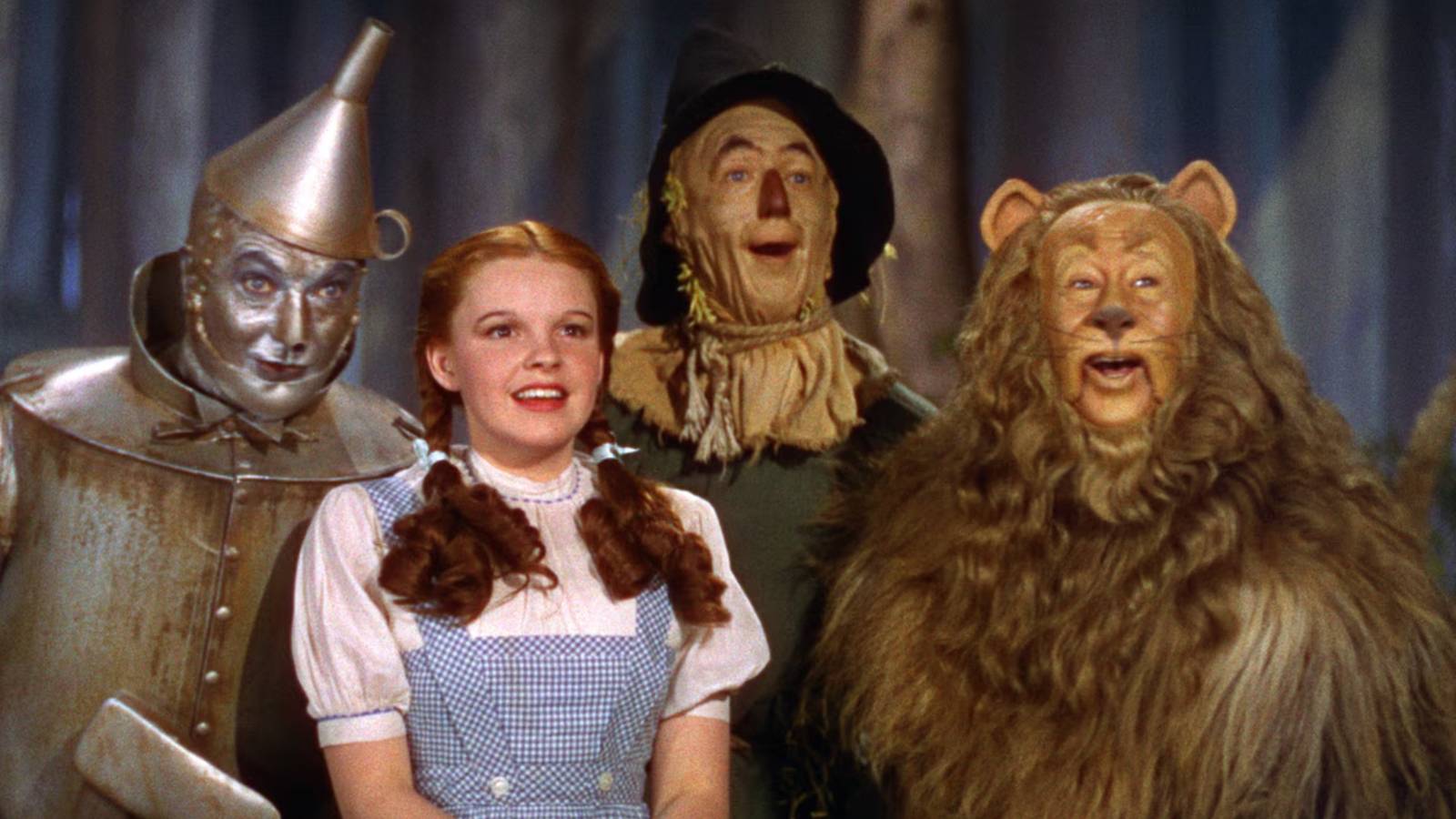
Published Nov 25, 2026, 7:01 AM EST Senior Music Editor at Screen Rant, Sarah's love of sound and story drive the beat. A globetrotting brand whisperer and award-winning journalist, she’s built cross-cultural narratives around the world—but music has always been her true north. She launched DJ Mag North America, successfully introducing the iconic UK brand to the U.S. market. Previously, she carved a space for EDM inside the pages of VIBE, blending electronic and hip-hop culture long before it was trendy. Fantasy movies have a peculiar advantage over almost every other genre: they can make somewhere you've never been feel like a place you miss. A fictional kingdom can become as familiar as the neighborhood you grew up in, especially when a piece of music announces that it's time to go on an adventure again. That's part of what makes the best fantasy movie worlds so difficult to leave behind. Their appeal survives changing special-effects technology and the fashions of whichever decade produced them. Some become even more rewarding with age, revealing details that escaped us when we first encountered them. The phenomenon is particularly apparent with the Harry Potter movies that feel different when you watch them as an adult. Childhood excitement gives way to a more complicated appreciation of the characters and the dangers surrounding them. That experience extends far beyond Hogwarts, particularly with fantasy films that have become beloved fixtures of popular culture. But there's an important distinction between the greatest fantasy movies ever made and the most universally loved. A critically acclaimed film can be difficult, divisive, or demanding, while a beloved favorite can inspire extraordinary affection without winning a single major award. The rarest achievements manage both. This ranking considers critical reception alongside sustained audience enthusiasm, cultural impact, rewatchability, and appeal across generations. No movie can literally please everybody, and this isn't a ranking based strictly on review scores or financial success. The higher placements go to films whose popularity has endured and whose emotional appeal reaches beyond devoted fantasy fans. These seven films have earned remarkably lasting affection, even if deciding which deserves the top spot invites a little friendly disagreement. 7 Edward Scissorhands (1990) Tim Burton's Edward Scissorhands looks like a fairy tale someone accidentally dropped into American suburbia. Behind the pastel houses and manicured lawns is a lonely young man with blades instead of fingers. The neighbors initially celebrate him, then turn suspicious when his differences become inconvenient. Johnny Depp delivers one of his most affecting performances, relying on expressions and gestures to communicate Edward's desperate desire to belong. His tentative relationship with Kim (Winona Ryder) gives this wonderfully strange fantasy its emotional center. The film's melancholy makes it particularly memorable, especially when paired with Danny Elfman's haunting score. Burton's visual imagination is unmistakable, from Edward's gothic mansion to the unforgettable sight of snow falling from his ice sculptures. Among Johnny Depp's most memorable performances, Edward remains unusually sympathetic. Its bittersweet conclusion gives the movie a narrower emotional appeal than the more celebratory adventures ranked above it, but that sadness is also what makes it so enduring. 6 Willy Wonka & The Chocolate Factory (1971) Credit: MovieStillsDB A chocolate river, an everlasting gobstopper, and a man who seems completely uninterested in making children feel safe. What more could anyone want from a fantasy movie? Mel Stuart's Willy Wonka & the Chocolate Factory has delighted audiences for generations without losing its wonderfully unsettling personality. Gene Wilder's performance is the movie's greatest attraction, effortlessly switching between charm and quiet menace. His Willy Wonka is unpredictable, frequently hilarious, and impossible to imagine being played quite the same way by anyone else. Charlie Bucket (Peter Ostrum) provides the heart, with his impoverished family circumstances making the golden-ticket discovery particularly satisfying. The factory itself is a marvel of practical effects and imagination, while its songs have remained part of popular culture for decades. Although some of its darker moments can frighten younger viewers, the film's combination of childhood wish fulfillment and eccentric humor has made it remarkably difficult to outgrow. Even after learning what's behind every door, Wonka's factory still seems capable of surprising its visitors. 5 Harry Potter And The Prisoner Of Azkaban (2004) Choosing a single Harry Potter movie for a list about universal affection is practically an invitation to an argument. The first installment introduces Hogwarts with an irresistible sense of discovery, while the later movies deliver some of the franchise's biggest emotional payoffs. Nevertheless, Alfonso Cuarón's Harry Potter and the Prisoner of Azkaban arguably strikes the strongest balance between exceptional filmmaking and audience affection. The introduction of Sirius Black (Gary Oldman) and Remus Lupin (David Thewlis) gives Harry's world a more complicated emotional dimension, while the terrifying Dementors suggest that childhood innocence is gradually disappearing. Cuarón also changes how Hogwarts feels. The castle becomes more lived-in, the changing seasons matter, and the young actors finally have room to develop beyond their established character traits. Even the elaborate time-travel sequence remains one of the franchise's most satisfying narrative achievements. Some fans will always favor the wonder of Sorcerer's Stone, which makes choosing a definitive favorite difficult. Yet Prisoner of Azkaban demonstrates why the series continued to resonate with viewers as they grew older: its magic became more compelling as its characters matured. 4 Spirited Away (2001) Custom Image by Vanessa Piña Few filmmakers possess Hayao Miyazaki's extraordinary ability to make impossible things feel entirely natural. In Spirited Away, a young girl enters a mysterious world, her parents transform into pigs, and she's forced to find employment in a bathhouse populated by spirits. Somehow, this starts to seem like a perfectly reasonable predicament. Chihiro is an unusually compelling protagonist because she possesses no extraordinary powers or heroic destiny. Her gradual transformation from a frightened child into someone resourceful and compassionate gives the film an emotional foundation that transcends its Japanese folklore influences. Miyazaki's imagination is breathtaking, although the movie's quieter passages are equally important. The famous train journey across the water is particularly beautiful, allowing viewers to absorb this strange world without another dramatic confrontation. Its Academy Award for Best Animated Feature helped cement its international standing, while its continuing popularity has introduced generations of viewers to Studio Ghibli. Spirited Away is more unconventional than the three films ranked above it, but its emotional clarity makes even its strangest creations feel wonderfully human. 3 The Wizard Of Oz (1939) Somewhere over the rainbow, Judy Garland helped establish the language of cinematic fantasy. Nearly nine decades later, The Wizard of Oz remains astonishingly accessible, with an influence extending far beyond the generations that originally watched it in theaters. The ruby slippers, Emerald City, and Yellow Brick Road have become universally recognizable cultural symbols, while Dorothy's companions remain among cinema's most endearing characters. Yet the movie's longevity isn't simply the result of its historical importance. Dorothy's predicament is timeless: she feels misunderstood, dreams of escaping her ordinary existence, and eventually discovers that what she wanted was closer than she realized. The Scarecrow, Tin Man, and Cowardly Lion are equally appealing because their individual insecurities are so recognizable. Their journey reveals that the qualities they desperately seek are things they've been demonstrating all along. Among the greatest fantasy movies of the 20th century, The Wizard of Oz occupies an almost untouchable position. Its visual imagination was groundbreaking, and its music continues to resonate across generations. In terms of sheer cultural recognition, it arguably deserves the top spot. However, this ranking also considers the personal attachment and enthusiasm that inspire viewers to return repeatedly, which gives the final two films a slight advantage. 2 The Princess Bride (1987) "As you wish." Two words are enough to remind countless moviegoers why Rob Reiner's The Princess Bride has maintained such extraordinary affection since 1987. Adapted by William Goldman from his own novel, the film follows Westley (Cary Elwes) as he attempts to reunite with Buttercup (Robin Wright). Along the way, he encounters an eccentric collection of characters, including Mandy Patinkin's revenge-driven Inigo Montoya and André the Giant's wonderfully gentle Fezzik. The movie is frequently hilarious, although its willingness to embrace sincere romance is equally important. Reiner understands that audiences can recognize the absurdity of fairy-tale conventions while still becoming emotionally invested in them. The framing device, in which Peter Falk reads the story to his skeptical grandson, cleverly acknowledges the prejudices viewers might bring to an old-fashioned adventure. It's an almost perfect illustration of the film's ability to win over reluctant audiences. Unlike many fantasy productions, The Princess Bride doesn't rely on spectacular special effects or elaborate worldbuilding. Its considerable charm comes from wonderfully drawn characters and dialogue that only gets funnier with familiarity. There's a reason it belongs among the most comforting fantasy movies ever made. In terms of sheer rewatchability and audience affection, it has arguably the strongest claim to being universally loved. Only one movie surpasses its combination of critical admiration, enduring popularity, and emotional impact on an enormous scale. 1 The Lord Of The Rings: The Fellowship Of The Ring (2001) Peter Jackson faced an extraordinary challenge when he adapted J.R.R. Tolkien's The Lord of the Rings. He needed to introduce a vast fantasy world without overwhelming newcomers, satisfy readers who had imagined Middle-earth for decades, and convince audiences to follow an enormous adventure across three movies. With The Fellowship of the Ring, he accomplished something remarkable: he made Middle-earth a place millions of viewers wanted to visit again and again. The opening scenes in the Shire establish the film's emotional appeal long before the adventure becomes dangerous. Hobbiton feels wonderfully lived-in, Gandalf's arrival resembles a reunion with an old friend, and Frodo's departure carries genuine sadness. Elijah Wood gives Frodo an appealing vulnerability, while Ian McKellen finds warmth beneath Gandalf's considerable authority. Even Sauron, one of fantasy cinema's most formidable villains, rarely needs to appear physically to exert his influence. The sequels feature larger battles and a more definitive conclusion, but The Fellowship of the Ring possesses something neither can recreate: the excitement of entering Middle-earth for the first time. Jackson's film combines extraordinary critical acclaim with mainstream success and the kind of devoted fandom that spans generations. The Princess Bride may be easier to revisit on a casual afternoon, but Fellowship inspires an equally powerful affection while immersing viewers in an entire world. A quarter-century after its release, the invitation to join the Fellowship remains almost impossible to refuse. Release Date December 19, 2001 Runtime 178 Minutes Director Peter Jackson Writers Fran Walsh, Philippa Boyens, Peter Jackson, J.R.R. Tolkien Producers Barrie M. Osborne, Bob Weinstein, Harvey Weinstein, Mark Ordesky, Robert Shaye, Tim Sanders Prequel(s) The Hobbit: An Unexpected Journey, The Hobbit: The Desolation of Smaug, The Hobbit: The Battle of the Five Armies Sequel(s) The Lord of the Rings: The Two Towers, The Lord of the Rings: The Return of the King Franchise(s) The Lord of the Rings
7 Most Universally Loved Fantasy Movies Of All Time, Ranked
Full Article
Original Source
Read the full article at Screenrant →KhanList aggregates and links to publicly available news content. We do not host full articles from third-party sources. Always verify important information with original sources.