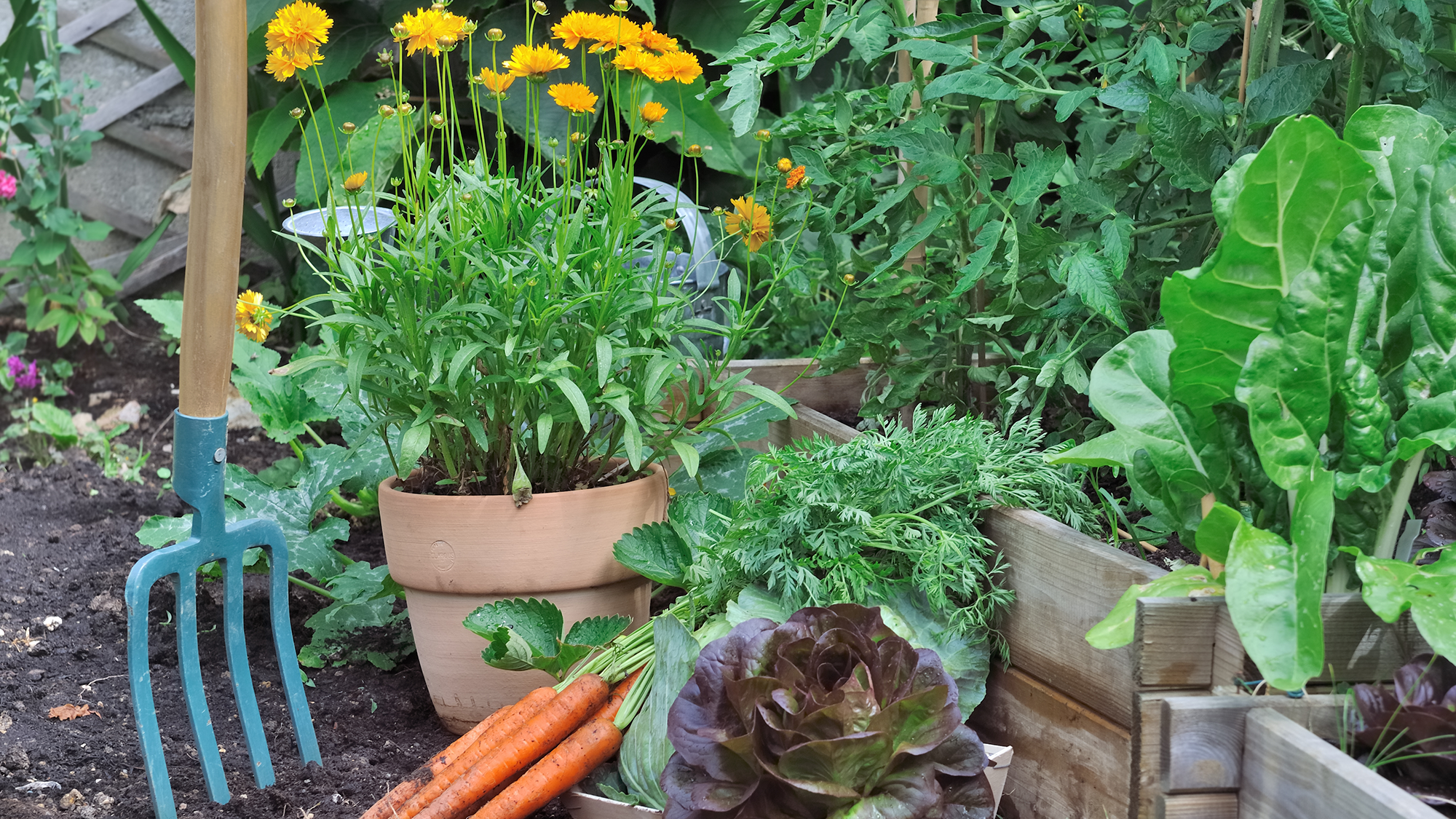
(Image credit: Shutterstock) If temperatures are still soaring where you liveTry sowing seeds in the eveningKeep the soil consistently moistConsider giving young seedlings some temporary afternoon shade until they’re established.If you think August marks the end of the vegetable growing season, think again. In fact, this month is one of the best times of year to fill empty beds and containers with fast-growing crops that thrive as summer begins to fade.After the intense heat and sunlight of July, August marks the beginning of the slow descent into fall and the return of gentler growing conditions.Many vegetables actually prefer the milder conditions that late summer brings. While the soil is still warm enough for seeds to germinate quickly, cooler nights and shorter days help leafy greens stay tender, root vegetables develop sweeter flavors, and many crops grow with fewer problems than they do in the height of summer.There’s another reason not to pack away your gardening gloves just yet. According to the Environmental Protection Agency (EPA), the average growing season across the contiguous U.S. has increased by more than two weeks since the beginning of the 20th century, with the biggest changes occurring over the last 30 years. That gives many gardeners a larger window to sow cool-season vegetables — although it also means late-summer heat can linger for longer.Whether you’re replacing crops you’ve already harvested or simply want to make the most of every inch of growing space, here are seven vegetables well worth planting now.1. Spinach (Image credit: Shutterstock)Spinach is one of the easiest wins for an August vegetable garden. Unlike spring sowings, which can bolt if temperatures rise too quickly, late-summer spinach enjoys cooler conditions and rewards you with plenty of tender leaves for salads, smoothies and cooking. Better still, baby leaves can be ready to pick in as little as a month, making it one of the quickest crops you can grow before fall arrives.How to plantSow seeds around ½ inch deep in rich, moist soil in full sun or light afternoon shade if your days are still very hot. Water regularly until seedlings appear and thin plants to around 4 to 6 inches apart to give them room to grow.Get instant access to breaking news, the hottest reviews, great deals and helpful tips.2. Radishes (Image credit: Shutterstock)If patience isn’t your strong suit, radishes deserve a place in your garden. Some varieties are ready to harvest in under four weeks, making them ideal for filling gaps left behind by harvested tomatoes, beans or potatoes. They also tend to be crisper and milder when planted in August and grown as temperatures begin to cool, rather than during the hottest part of summer.How to plantDirect sow seeds around ½ inch deep and 1 inch apart in loose, well-drained soil. Thin seedlings once they’ve emerged and keep the soil evenly moist to encourage fast, even growth.3. Lettuce (Image credit: Shutterstock)There’s a reason experienced gardeners often wait until late summer to sow another crop of lettuce. Cooler weather helps prevent plants from bolting too quickly, while the leaves develop a sweeter, less bitter flavor. Loose-leaf varieties are especially rewarding because you can harvest a few leaves at a time and they’ll continue producing for weeks.How to plantSow seeds around ¼ inch deep in fertile soil and keep them consistently moist while they germinate. If you’re experiencing a late-season heatwave, provide a little afternoon shade until seedlings are established.4. Carrots (Image credit: Shutterstock)Freshly harvested carrots are hard to beat, and August is an excellent time to sow them for a fall crop. As temperatures drop, the roots naturally become sweeter, making them even more delicious than many spring-grown carrots. Choose quick-maturing varieties if your first frost usually arrives early.How to plantScatter seeds thinly over finely prepared soil and cover with around ¼ inch of compost or soil. Keep the seedbed damp throughout germination, as carrots can take up to three weeks to emerge.5. Kale (Image credit: Shutterstock)Kale practically comes into its own in cooler weather. It's one of the most cold-tolerant vegetables you can grow, and many gardeners swear that the leaves taste even better after the first light frost. Once established, plants can keep producing for months, giving you repeated harvests from a single sowing.How to plantSow seeds around ½ inch deep or transplant young plants into fertile soil, spacing them 12 to 18 inches apart. Water deeply during dry spells and harvest the lower leaves first to encourage continuous growth.6. Beets (Image credit: Shutterstock)Beets are one of those vegetables that earn their space in almost any garden. Not only do you get sweet, earthy roots, but the young leaves can also be harvested for salads or cooked like spinach. Late-summer sowings often produce excellent-quality roots thanks to the cooler weather during their final weeks of growth.How to plantSow seeds around ½ inch deep and thin seedlings to around 3 or 4 inches apart once they've sprouted. Water consistently throughout the season to help roots develop evenly.7. Turnips (Image credit: Shutterstock)Turnips don't always get the attention they deserve, but they're one of the fastest and easiest vegetables to grow for a fall harvest. Both the roots and leafy tops are edible, making them a great choice if you're trying to get the most from a small vegetable patch. As with many root crops, cooler temperatures improve both texture and flavor.How to plantDirect sow seeds ½ inch deep in loose soil and thin seedlings to around 4 inches apart. Keep plants well watered to encourage smooth, tender roots. Follow Tom's Guide on Google News and add us as a preferred source to get our up-to-date news, analysis, and reviews in your feeds. More from Tom's GuideWe asked over 3,000 people what their biggest lawn care challenges were — and one answer came out on topWhy your tomatoes won’t turn red in the heat — and when you should pick themAnts taking over your raised beds? I asked the experts how to get rid of them quickly Despite making her home in urban metropolises, Madeleine Streets has been nurturing a green thumb for decades. Raised by a garden designer, she is putting that childhood education to use by helping others learn how to make their garden bloom, while filling her own New York home with cat-friendly plants.When not writing about gardening and the outdoors, Madeleine loves to cook, study wine and borrow books from her local library.
7 easy vegetables to plant in August that thrive as summer fades
Full Article
Original Source
Read the full article at Tomsguide →KhanList aggregates and links to publicly available news content. We do not host full articles from third-party sources. Always verify important information with original sources.