
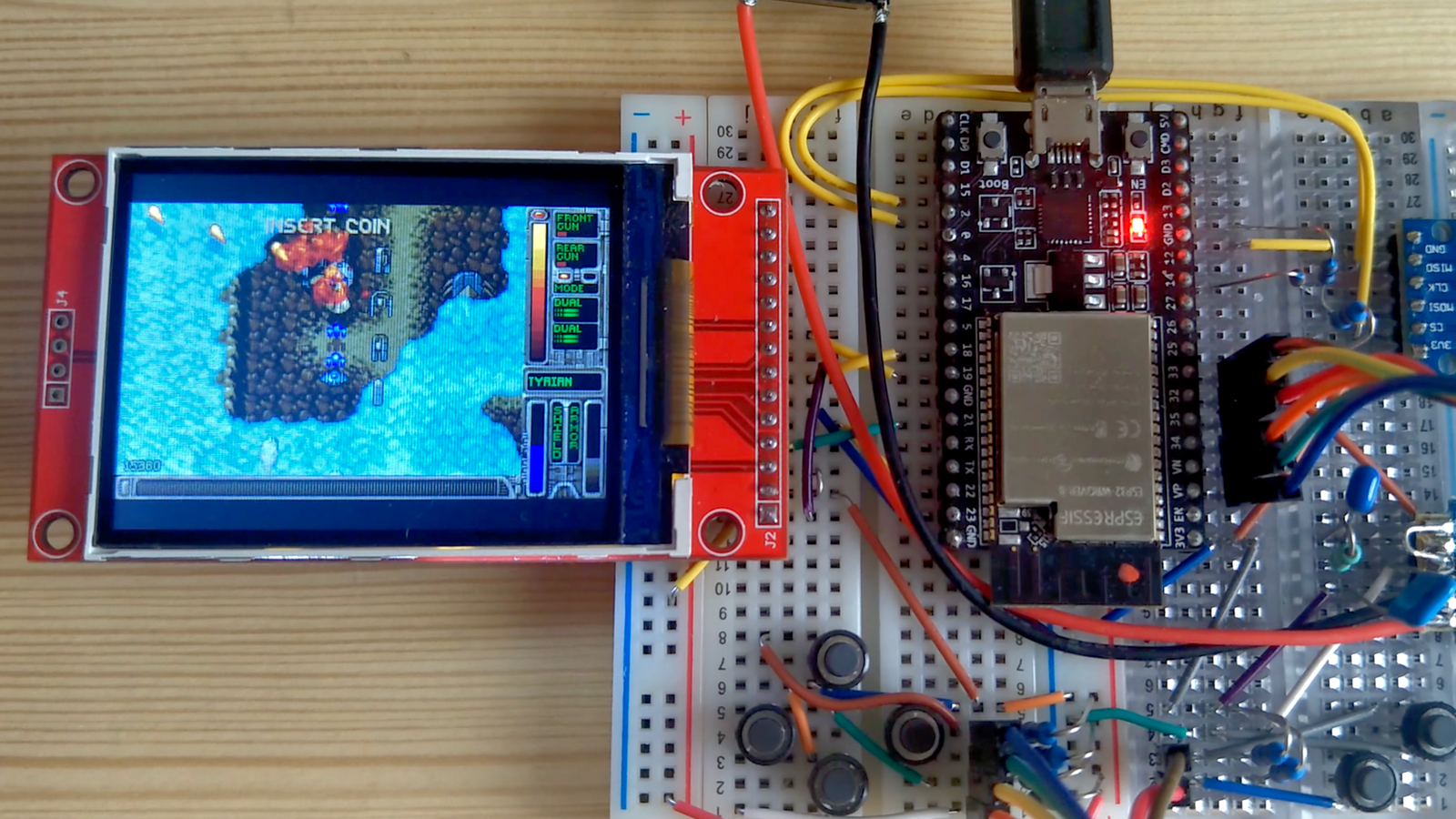
Published Nov 20, 2026, 10:30 AM EST Tim has been covering technology for almost 20 years, in that time spanning a broad range of topics from security to product reviews. He is especially focused on the Apple ecosystem, productivity, and consumer advice. Over the years Tim has written thousands of articles, reviews, and round-ups in addition to producing video content and original photography. A graduate of journalism, he found his footing as a freelancer with a laptop and loves how he is able to work from practically anywhere. Now a Senior Editor for iPhone, Mac, and Smart Home at How-To Geek, Tim still loves to write. He can also be found crafting round-ups and productivity posts for the Zapier blog. Earlier in his career Tim spent nearly a decade as a writer and eventually Apple section editor for MakeUseOf. Tim currently lives in Brisbane, Australia. Outside of work he loves to hike and work out, play video games, and spend quality time with his wonderful partner and two cats Inka and Roger. The ESP32 is a versatile microcontroller; it can power smart home sensors, DNS sinkholes, and even play games. Sure, the ESP32 will never be the best way to play any of these games, but that’s not the point. These serve as an example of what can be done with a cheap development board and a little time. DOOM Of course it can run DOOM Credit: id Software / Bethesda “Can it run DOOM?” has been a rallying cry since the game, which once stressed the very latest PC hardware, was released in 1993. Ever since then, the internet has tried its hardest to bring id Software’s classic first-person shooter to every platform imaginable. That includes the ESP32. ESP32-DOOM is a port of the PrBoom source port for the ESP32-WROVER development kit. It requires a minimum of 8MB PSRAM and supports outputting video to an SPI display or streaming video over Wi-Fi. Built on Espressif’s official SDK, you’ll need Python and a valid doom1.wad file to play (though Freedoom should also work). Quake and Quake II Requires an ESP32-P4 The follow-up to DOOM (if we forget about its sequel, which was more of a map pack anyway); Quake is an altogether more complex first-person shooter that requires more powerful hardware. That means you’ll need the slightly beefier ESP32-P4 to run ESP32_Quake and ESP32_Quake2. These are two different ports by two different authors, though both support multiplayer via Ethernet, with the quakegeneric and quake2generic source ports doing much of the heavy lifting. As per DOOM, you’ll need WAD files from a legitimate copy of the game to play. Duke Nukem 3D I’m all outta gum Credit: raoulh / GitHub One of the most interesting ports on this list for the simple fact that the author shared their journey and results in a lengthy Reddit post, ESP_duke is a port of the chocolate_duke3D source port for the ESP32-P4. This version was chosen because, according to the author: “Nothing smaller in the family gets there. The engine needs a 19.4 MB texture cache … two cores, because rendering and presentation have to run concurrently … MIPI-DSI to drive a 720×1280 panel, and the PPA 2D accelerator to rotate the image.” The result is an impressive 24fps average at 640x480, or more than double that if you drop the resolution to 320x240. The sound and music work as you remember, with saves stored on a microSD card, your choice of USB or Bluetooth peripherals, and even touchscreen support (the author tested with a Waveshare ESP32-P4-WIFI6-Touch-LCD-7). Thanks to the MGS Reversing project A recent addition to the ESP32’s lineup of native games, Metal Gear Solid has been adapted for the ESP32-S3 by programmer David Montero Crespo. This is an adaptation of the MGS Reversing project, with a complete hardware guide available for those who want to build a dedicated handheld. Like other projects on this list, you still need to provide some files from an original disc. Tyrian An OpenTyrian port for the ESP32 Tyrian is a DOS-era vertical scrolling shoot ‘em up that was released in 1995. It earned a cult following, which is why it has since been preserved via the OpenTyrian source port. That same source port has been adapted into an OpenTyrian ESP32 port for the ESP32-WROVER. Instructions for a complete hardware build are included on the project GitHub, or you can take the code and build something of your own. This one should have everything you need to get started, no game data necessary. Tomb Raider Thanks to the OpenLara source port Credit: XProger OpenLara is a faithful source port for the original Tomb Raider engine. OpenLara_ESP32P4 is a port of that project to the ESP32-P4 and ESP32-S31. The game is rendered in software at 320x240 and then upscaled in hardware, which is how it manages a 30fps frame rate. This project supports stereo audio, USB HID keyboard input, touch controls for certain displays, saving the game to microSD, and even a custom HUD overlay. You’ll need Tomb Raider game data files in PHD and PCX format to play. Most classic adventure games ScummVM to the rescue ScummVM is a source port for classic LucasArts adventure titles like Beneath a Steel Sky, the Sam and Max games, and the iconic Monkey Island series. It allows you to play these games on virtually any platform, as long as you can get ScummVM running there in the first place. There are two ScummVM ports for ESP32 devices you might be interested in. The ScummVM_ESP32 project is designed for ESP32-S3 and Odroid devices, while ESP32_ScummVM targets the more powerful ESP32-P4. More reasons to get an ESP32-P4 The ESP32-P4 is featured prominently here for its increased RAM capacity over the ESP32-S3, but there’s a lot more it can do. Take a look at some more projects that put the ESP32-P4 to good use.
7+ classic video games you can get running natively on an ESP32 this weekend (Nov 20-22)
Full Article
Original Source
Read the full article at Howtogeek →KhanList aggregates and links to publicly available news content. We do not host full articles from third-party sources. Always verify important information with original sources.