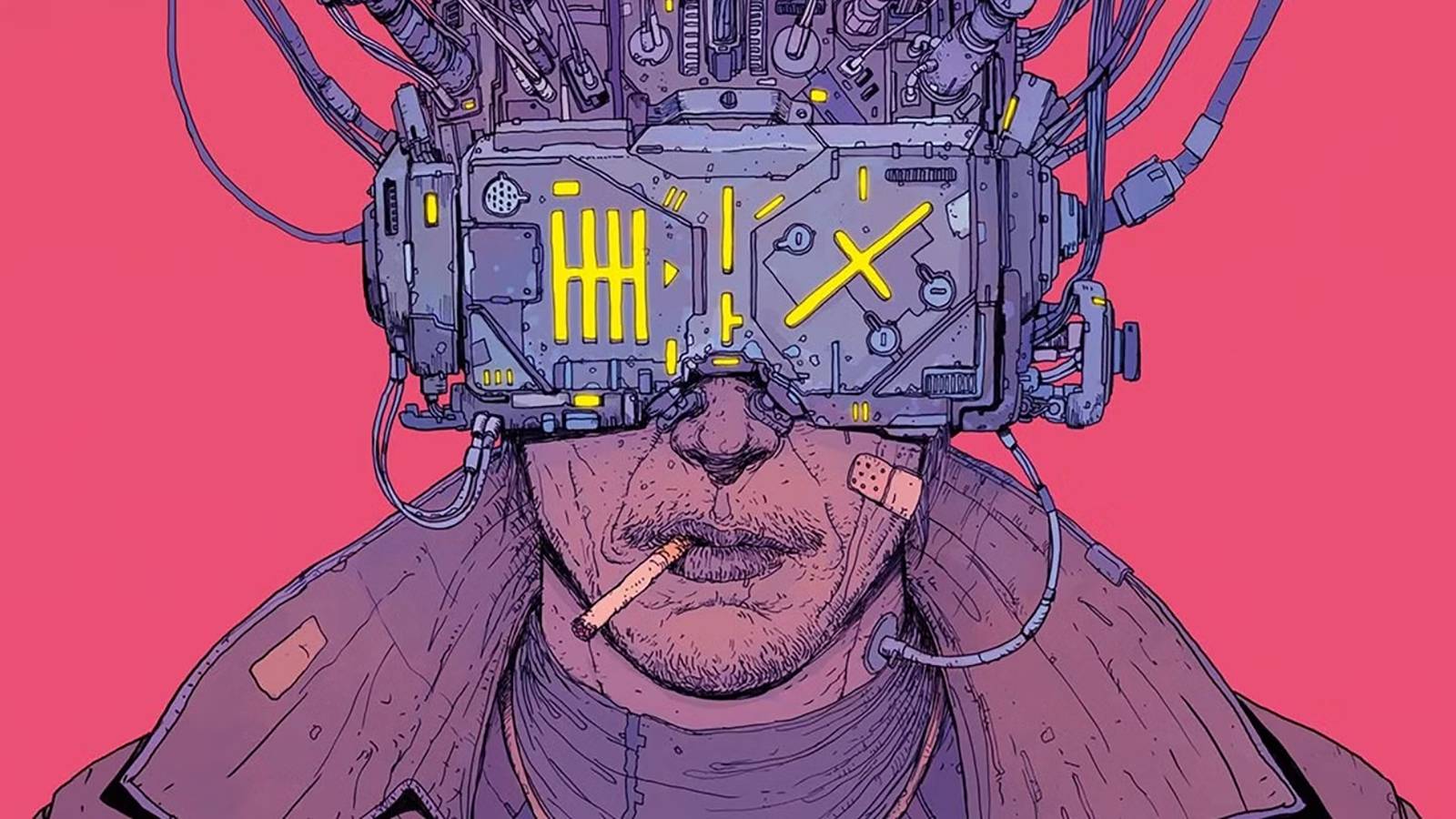
Published Aug 9, 2026, 11:48 PM EDT Dani Kessel Odom (they/them) is an autistic lead writer and TV critic who covers sci-fi shows like Doctor Who and Pluribus, fantasy shows like The Magicians and Percy Jackson, and horror of all kinds. They also cover Marvel and DC TV shows and movies, with a robust knowledge of comic books. Their TV reviews can be found on Rotten Tomatoes. Dani is also part of ScreenRant's books team, using their fiction writing and literature studies as the backbone for their book analyses. They have covered events, such as the Denver Fan Expo. Professionals in the field, such as Damien Leone and Lucy Hale, have shared their articles. Their review of Ponies was quoted in the show's TV trailer. In university, they majored in English Writing with a minor in psychology. They have always had a passion for analyzing TV and movies, even taking filmography and scriptwriting classes in university. They also studied and participated in onstage and onscreen acting extensively from the ages of 7 to 18. Aside from working at Screen Rant, Dani has worked as a freelance editor and writer over the past decade, often in a ghostwriting capacity. Cyberpunk sci-fi was born in the 1980s, and these are the seven best books in the genre to come out of the decade. Though sci-fi authors were already exploring it throughout the 60s and 70s, the idea of a “high-tech, low-life” future boomed in the 1980s. The movie Blade Runner, based on the proto-cyberpunk book Do Androids Dream of Electric Sheep? by Philip K. Dick, and the book Neuromancer by William Gibson became the foundation of a genre that has persisted over the past four decades. What’s more, cyberpunk is going through an onscreen renaissance right now, with Cyberpunk Edgerunners as one of the most popular anime and the Blade Runner 99 and Neuromancer shows coming out soon. As the two foundational franchises return to the screen, it’s a great time to look back at the 1980s books that helped create the cyberpunk concepts and aesthetics that have continued to this day. These seven books are the best and most influential cyberpunk books of the decade. 7 Schismatrix By Bruce Sterling (1985) The traditional Cyberpunk genre is typically grounded on Earth or in cyberspace. However, the genre has an offshoot that blends together the futuristic “high tech, low life” with space opera. In Schismatrix, society is spread across the solar system and split into two groups. The Shapers rely on genetic engineering and psychotechnic training, while the Mechanists use cybernetics and computer implants to extend their lifespan. The main character, Abelard Lindsay, is exiled from the Shapers and left to travel the solar system as an outlaw and pirate. The 1985 Schismatrix book was republished as Schismatrix Plus with five additional short stories and novelettes set within the world. Schismatrix is a refreshing cyberpunk story, eschewing its typical noir elements in favor of gritty space opera. This was a major inspiration for The Commonwealth Saga and the Altered Carbon sequels. Additionally, Schismatrix lays the groundwork for transhumanist sci-fi. The Mechanists versus the Shapers feels like a great example of cyberpunk versus biopunk. Biopunk has always been considered a subgenre of cyberpunk, so it’s exciting to see them represented separately within the same story. Ultimately, Schismatrix’s visionary storytelling and unique blend of subgenres make it one of the best non-adapted cyberpunk books, even if it can be a bit dense. 6 Hardwired By Walter Jon Williams (1986) Hardwired is much more campy than it is cerebral, but it’s still a great work of cyberpunk. Set in a dystopian future where the autocratic Orbital Corporations run the Earth, Cowboy, a low-life panzerboy, and Sarah, a witty ex-sex worker turned bodyguard, live in the balkanized slums of the United States. Tech has become a distraction and addiction for low-life individuals, numb to the oppressive forces. Cowboy and Sarah work together to launch a heist-style attack on the corporations. Still, it is a cult classic for a good reason. The book by Walter Jon Williams is a must-read for cyberpunk fans. The worldbuilding is pretty incredible, with the corporate powers existing in space stations while the oppressed humans live in a post-apocalyptic Earth. The book coined the “panzerboy” archetype and helped bolster the already existing idea of people attaching to tech through a skull socket. It’s the same jacking-in idea from Neuromancer. Ultimately, the 1986 book feels like a fun blend of Mad Max and Neuromancer, with some Western genre conventions thrown in the mix. It was fundamental to the genre, as it influenced the Cyberpunk TTRPG and the Cyberpunk 2077 video game. 5 Mindkiller By Spider Robinson (1982) Mindkiller, the first book in the Lighthouse series, is a 1980s proto-cyberpunk novel set in two near-future timelines. In 1994, a man searches for his sister, Madeline, who had a bad experience in Europe but won’t explain it. Weeks later, she goes missing. In 1999, an amnesiac thief named Joe discovers a “wirehead,” someone with wires implanted in the brain’s pleasure centers, named Karen. Wireheading is so addictive that people will starve or die of dehydration just to stay hooked up. The two set out to take revenge on those who created and distributed the wirehead technology, uncovering a mind-control conspiracy. Ultimately, Spider Robinson’s book carries the core “high-tech, low life” themes of the cyberpunk genre. It looks at the intersection of technology and drug culture. However, it isn’t quite as gritty, and it lacks the visual style that cyberpunk is known for. That said, the idea of technological mind control instead of physical force is compelling. Wireheading is a fascinating idea of how to make narcotics out of technology. It’s also fun discovering how the two different timelines are connecting to the sprawling conspiracy. 4 Software By Rudy Rucker (1982) In 1982, Rudy Rucker released one of the first true cyberpunk sci-fi novels, Software. The main character, Cobb Anderson, created boppers, robots with real brains, who gained free will and created more robots. After rebelling against humanity, they settled on the moon. Cobb now lives in a run-down and impoverished Florida community, cut off from nearly all US resources and nearing death. Software won the prestigious Philip K. Dick Award for best original science fiction paperback published in the US at the inaugural 1983 awards. Ralph Numbers, one of his original boppers, offers to upload Cobb's memories into a robot body so he can live forever. However, he discovers the boppers are trying to create a single hive mind. Software is frenetic, fully embracing drug culture and the pulpy sci-fi style. It’s a quick and easy read. That said, Software is one of the many instances where a foundational piece of writing in a genre didn’t age very well. The way Rucker writes women in this book might grate on modern audiences. Still, it deserves recognition for its interesting exploration of what it means to be human when robot technology and AI are involved. 3 Eclipse By John Shirley (1985) Set in a war-torn 2020, NATO and Neo-Soviet have come to a stalemate after fighting a third world war for Western Europe. To restore peace, NATO brings in the Second Alliance, a right-wing and nationalist, corporate military group that’s secretly fascist. To combat them, a group called New Resistance comes together to expose the Second Alliance and stop their racist and fascist ideals, which are reinforced by advanced technology. The book Eclipse is a fascinating part of the cyberpunk genre because it has just as much of a claim to the military sci-fi label. Much of the advanced technology is used for constant surveillance through “The Grid,” memory extraction, and brainwashing. It’s similar to 1984, except with more of a “high tech, low life” vibe. Shockingly, Eclipse feels just as relevant now as it did when the book first came out. Shirley might not have gotten everything right, but he did predict quite a bit. This makes it extremely painful to read in the 2020s and also very cathartic. 2 Mindplayers By Pat Cadigan (1987) Mindplayers explores the intersection of technology and consciousness, focusing heavily on the people addicted to technologies that act like drugs. Allison Haas is hooked on thrills created by illegal madcaps, cybernetic devices that attach to the optical nerve and induce temporary psychosis. Rather than going away, her psychosis stays, so the brain police get involved. They will either erase her identity or become a mindplayer, a person who goes into a virtual plane to help people with goals that differ depending on the mindplayer’s specialty. Allison takes the mind police up on their offer. The high-tech elements of Mindplayers go beyond the madcap. The entire process is influenced by AI, and in this world, it’s possible to create virtual personality constructs. Pat Cadigan is one of the prominent voices in the first and second waves of cyberpunk, and she’s also one of the earliest women authors in the genre. The author might not have leaned as far into the genre's gritty style, but she certainly enhanced the conversation about digital tech’s effect on the human mind. 1 Neuromancer (& Its Sequels) By William Gibson Neuromancer is generally considered *the* cyberpunk book to read. Set in a futuristic Japanese town called Chiba City, Case is a washed-up console cowboy who was locked out of cyberspace by a neurotoxin that damaged his nervous system after being caught stealing from his employer. He gets recruited by Molly, a razorgirl mercenary working for Armitage. The corporation offers him a medical cure if he helps with a high-stakes data heist. When they give him the cure, Armitage also puts poison in Case’s system, so he must complete the job or die. The Sprawl Trilogy Neuromancer 1984 Count Zero 1986 Mona Lisa Overdrive 1984 Although Gibson didn’t create cyberpunk, he definitely was one of the foundational voices in the genre, alongside the Blade Runner movie and Moebius’ Metal Hurlant comics. He created and popularized many of the key elements of cyberpunk sci-fi. He coined “cyberspace,” “the Matrix,” and “Intrusion Countermeasures Electronics.” Console cowboys and razorgirls also came from the writer. It's also noteworthy that Gibson was writing in the cyberpunk genre for at least a decade before Neuromancer got published. For these reasons and the profound cultural impact of Neuromancer, William Gibson has earned the title “The Father of Cyberpunk.” The second and third books, Count Zero and Mona Lisa Overdrive, are just as influential as the original, though they don’t get as much recognition. Ultimately, all three books in the Sprawl trilogy are peak cyberpunk. Hopefully, Apple TV+’s Neuromancer adaptation of the book will be successful enough for them to continue the story until the end of the trilogy.
7 Best 1980s Cyberpunk Sci-Fi Books
Full Article
Original Source
Read the full article at Screenrant →KhanList aggregates and links to publicly available news content. We do not host full articles from third-party sources. Always verify important information with original sources.