
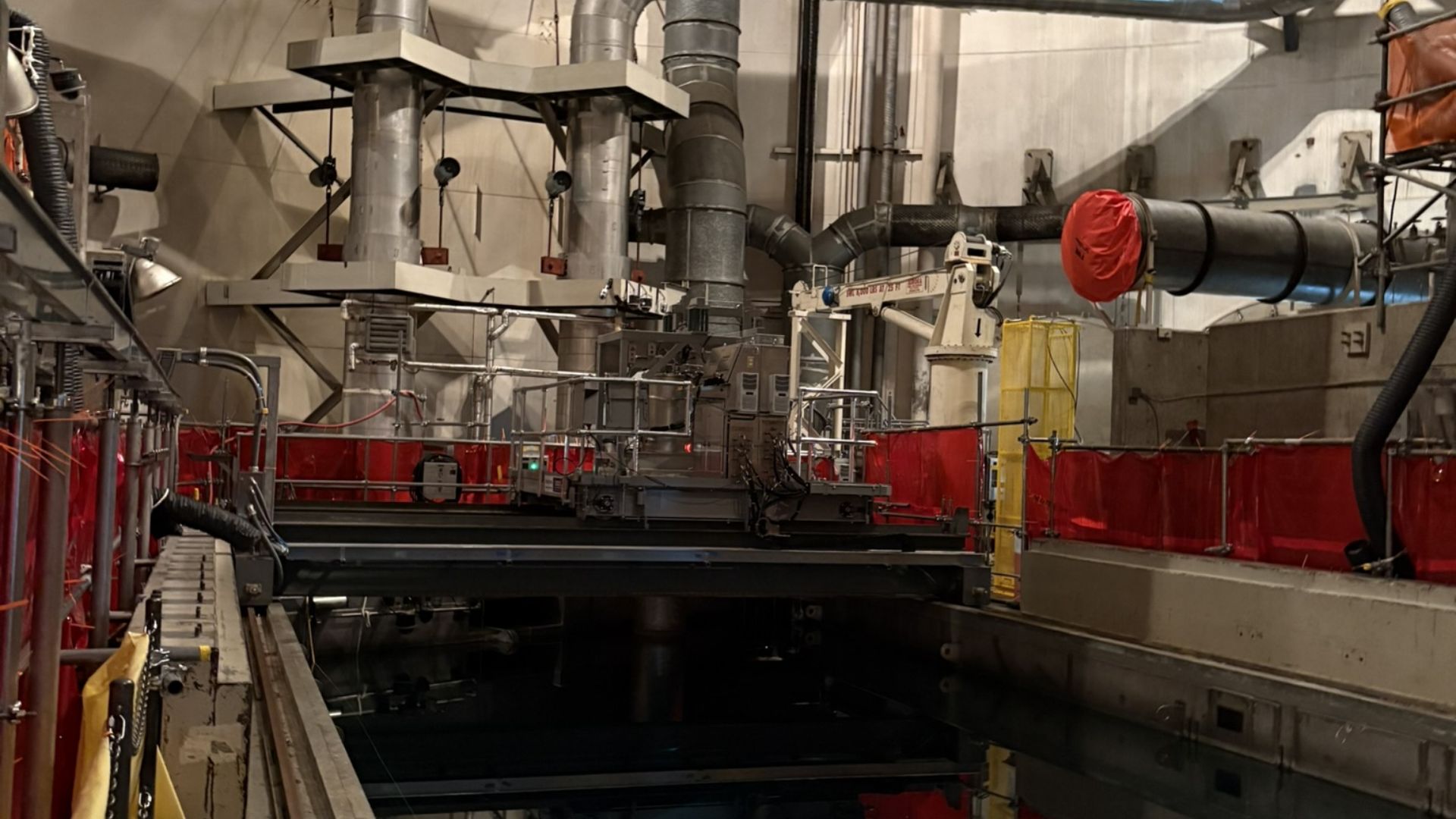
The rollout of advanced nuclear power in the US has made major headway. Holtec International has submitted its Preliminary Safety Analysis Report to the Nuclear Regulatory Commission. It has now completed the final filing phase of its two-part construction permit application for two small modular reactors in southwest Michigan. The proposed units, designated Pioneer 1 and Pioneer 2, would be built at the Palisades Energy Campus in Covert Township. Both reactors are based on Holtec’s proprietary SMR-300 design. Together, they are engineered to supply 680 megawatts of low-carbon electricity to the regional power grid. The safety filing delivers the core engineering and operational data needed for federal oversight. It represents the firmest regulatory benchmark achieved so far for the Pioneer facility. This milestone completes an assessment phase that began in December 2025, when developers first submitted environmental documentation alongside a request for limited early site works. Regulatory activity around the project has intensified rapidly in recent weeks. Holtec has coordinated engineering hubs across several countries to finalize the technical blueprints. Company officials characterized the pace as methodical at the outset, followed by an aggressive push toward commercial licensing. Pre-assembled modules Key structural and systems evaluations have already advanced through federal reviews. In September, commission staff audited and accepted an engineering report covering a modular construction technique tested at Purdue University. The system relies on pre-assembled modules built off-site, which reduces field labor demands and cuts capital expenditure. Regulators expect to issue a formal safety evaluation report on the method by early November. Federal staff also completed an audit in September on an advanced analytical model for seismic assessment. The methodology predicts how soil conditions interact with structural foundations during an earthquake. Issuance of an evaluation report, anticipated later this month, will support standardized deployment of the baseline reactor design across diverse geological settings. Digital safety networks for the reactors are moving along a parallel track. Regulators reviewed the digital instrumentation and control architecture in August, with official sign-off scheduled for October. Meanwhile, an audit tied to early site preparation closed last month, clearing the way for a draft evaluation in December. A multi-asset energy hub Initial ground activity is already underway at Covert Township. In late August, the commission granted an exemption allowing workers to begin excavation and soil stabilization before the full limited work permit is issued. The approval authorizes crews to install permanent support-of-excavation systems and cut-off walls to stabilize the ground and control water flow around the planned reactor footprint. The new reactors are part of a larger plan to turn the lakeside site into a multi-asset energy hub. Palisades originally housed an 805-megawatt reactor, which is now in the final technical stages of restarting. If the Pioneer units secure final permits, the combined campus will pair an established commercial plant with the country’s first commercial SMR-300 installation. Get the latest in engineering, tech, space & science - delivered daily to your inbox.An active and versatile journalist and news editor. He has covered regular and breaking news for several leading publications and news media, including The Hindu, Economic Times, Tomorrow Makers, and many more. Aman holds expertise in politics, travel, and tech news, especially in AI, advanced algorithms, and blockchain, with a strong curiosity about all things that fall under science and tech.
680 MW twin advanced nuclear reactor project advances as ground work begins in US
Full Article
Original Source
Read the full article at Interestingengineering →KhanList aggregates and links to publicly available news content. We do not host full articles from third-party sources. Always verify important information with original sources.