
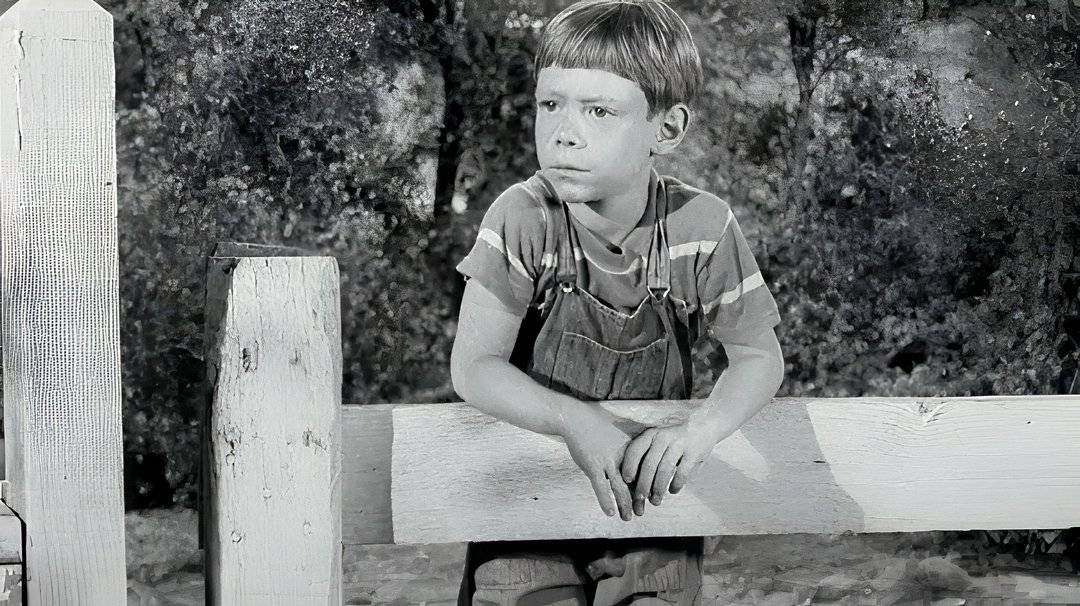
Published Oct 4, 2026, 4:00 AM EDT The sleepy village of Peaksville experiences unimaginable horrors 65 years ago, The Twilight Zone aired the unlikeliest creature feature Image: CBS Horror that doesn’t reside in literal liminal spaces manifests in surreal realities. This transitional space, known as the “twilight zone,” doesn’t adhere to the rules of human society. Rod Serling knew it well. His acclaimed horror anthology series explored stories that were disturbing and unusual, often ending with a twist and a moral lesson. The Twilight Zone’s terror successfully bypassed television censorship of the 1960s with speculative fiction. Over five seasons, Serling, as host and writer, examined science, superstition, prejudice, and identity. While there's no dearth of scary Twilight Zone episodes, such as “Eye of the Beholder” and “Nightmare at 20,000 Feet,” one particular season 3 episode truly manages to go under the skin in ways that fans of modern horror won’t be able to shake. Episode 8 of season 3, titled “It’s a Good Life,” opens with an eerier narration than most of Serling’s other half-hour-longs. The creator introduces us to the village of Peaksville, which is now isolated after the rest of the world disappeared. Although the villagers aren’t sure how this happened, they know why. “A monster had arrived in the village,” Serling states. “Just by using his mind, he took away the automobiles, the electricity, the machines, because they displeased him,” he continues. Just when we expect the “monster” to look like a traditional beast or futuristic alien, we’re blindsided by Serling’s ominous words: “His name is Anthony Fremont. He's six years old with a cute little-boy face and blue guileless eyes. But when those eyes look at you, you'd better start thinking happy thoughts. Because the mind behind them is absolutely in charge. This is the Twilight Zone.” “It’s a Good Life” gets creepier Image: CBS Anthony (Billy Mumy) has used his god-like mental powers to create a tyrannical society with no true sense of freedom. Anthony is not doing anything out of malice. He has never been disciplined by his parents, which is why he is clueless about morality and its consequences. Nevertheless, Anthony has plunged the village into a technological darkness, having blocked television signals and dismantled automobiles. The food supply has dwindled, and the villagers have no choice but to obey Anthony’s whims, as a refusal to comply means banishment to a place known as “the cornfield.” Given Anthony’s ability to read minds and punish anyone who challenges his reign of terror, the adults feign happiness to appease him. Like Serling says, “they have to think happy thoughts and say happy things.” This equilibrium, however, is shattered once a man named Dan Hollis (Don Keefer) drunkenly calls Anthony a monster and riles everyone up to attack him. But is this arbitrary instance of revolt enough to change everything? “It’s a Good Life” examines the terror of forced compliance, where a society full of adults is rendered helpless against a child who doesn’t understand his own cruelty. The villagers aren’t just pretending to be happy — they must force themselves to think happy thoughts, lest Anthony banish them to the cornfield. This suffocating atmosphere makes for an effectively scary episode about the loss of autonomy in authoritarian regimes and the necessity to fight back. The Twilight Zone goes for its bleakest ending Image: CBS Although Serling penned the screenplay for the episode, “It’s a Good Life” is based on Jerome Bixby’s 1953 short story of the same name. Some of the most unnerving sequences from Bixby’s story make it into the episode, such as when Aunt Amy (Alice Frost) makes an honest comment about the weather while receiving groceries from Bill (Tom Hatcher). As soon as she states that it’s “a terribly hot day,” Bill pointedly pushes back because Anthony is closely watching this exchange. “Oh, I wouldn’t say that, Aunt Amy,” Bill replies. “No sir, I wouldn’t say that at all. It’s fine. It’s just fine. It’s a real good day,” the man hastily states, trying to convince himself (and Anthony) that everything is fine. This constant source of terror is a compelling allegory for state surveillance and the limited options of a helpless populace who are living under an authoritarian regime. Peaksville is completely isolated from the rest of the world, making the prospect of outside help impossible. The villagers also do not have the option to revolt, as Anthony is a child with unpredictable powers. He can doom everybody without thinking things through, which is exactly what he does when Dan challenges him during a drunken fit of anger. Even without its allegorical themes about dissent and abuse of power, “It’s a Good Life” is an excellent episode of The Twilight Zone. Serling makes both opening and closing narrations count, as they add urgent, anxiety-inducing context to a story that can never have a happy ending. Anthony’s petulant nature is terrifying, as the rules of human civilization no longer apply to Peaksville under his rule. It is a lose-lose scenario that creates an uncomfortable pit in the stomach, managing to disorient audiences within a span of a mere 25 minutes. The Twilight Zone can be streamed on Pluto TV and Prime Video.
65 Years Ago, The Twilight Zone Aired Its Creepiest Episode
Full Article
Original Source
Read the full article at Polygon →KhanList aggregates and links to publicly available news content. We do not host full articles from third-party sources. Always verify important information with original sources.