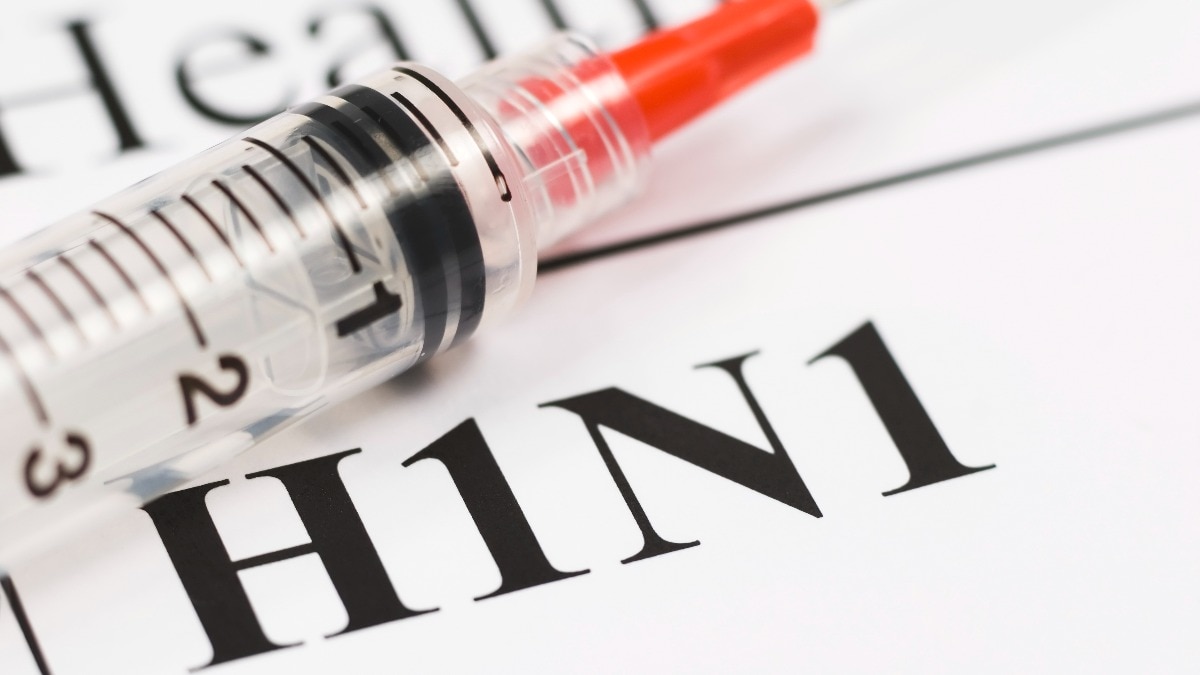
H1N1 cases in Delhi have risen nearly six-fold from last year, with 1,349 infections reported this season. Doctors say it should not be dismissed as regular flu, especially by people at higher risk.Till the end of July 2024, Delhi and Gujarat recorded the highest number of cases. Delhi is seeing a sharp rise in H1N1 cases this monsoon, with infections reaching 1,349 this year compared with 229 during the same period last year. That is nearly a six-fold increase, according to data cited by PTI. Delhi Health Minister Pankaj Singh said regular testing is being carried out and that patients are receiving treatment.While many otherwise healthy people may experience H1N1 like a typical flu, doctors warn that the infection can become serious in older adults, pregnant women, young children and people with conditions such as diabetes or chronic heart and lung disease.H1N1 CASES IN DELHI RISE SIX-FOLDDelhi has recorded 1,349 H1N1 cases so far this year, compared with 229 during the same period last year. The rise has been reported during the monsoon, when respiratory infections can become more common.The Delhi government says hospitals are prepared to deal with H1N1 and dengue cases. Government hospitals have also made arrangements, including separate wards and private rooms for patients with these infections. WHAT ARE THE COMMON H1N1 SYMPTOMS?For many otherwise healthy people, H1N1 can initially look much like regular flu. Common symptoms include:FeverCoughSore throatBody achesTirednessThe symptoms may eventually settle in people who are otherwise healthy. But not everyone has the same risk of complications.WHO IS MORE AT RISK FROM H1N1? Older adults, pregnant women and young children are among those who can face a higher risk of severe illness. People with diabetes, chronic heart or lung conditions, or weakened immune systems may also be more vulnerable.This is why doctors advise people in these groups not to simply dismiss worsening flu-like symptoms as a routine seasonal infection.ANTIBIOTICS DO NOT TREAT H1N1H1N1 is caused by a virus, which means antibiotics do not work against the infection. Taking antibiotics unnecessarily can also contribute to antimicrobial resistance.Doctors may consider antiviral medicines depending on how severe the illness is and the patient's risk factors. Anyone whose symptoms are getting worse rather than improving should seek medical attention instead of waiting it out.HOW CAN YOU LOWER YOUR H1N1 RISK?Annual flu vaccination can reduce the risk of serious influenza illness. Other basic precautions remain important too: wash your hands regularly, cover your mouth and nose when coughing or sneezing, maintain distance from others when unwell and stay home when sick.The Delhi health department has also advised people to seek medical care if symptoms become severe, particularly in cases of high fever, breathing difficulty, blue discolouration of the skin or lips, or blood in the sputum.- EndsPublished By: vaishnavi parasharPublished On: Aug 11, 2026 19:00 IST
6 times more H1N1 cases reported from Delhi. It could increase, doctors warn
Full Article
Original Source
Read the full article at Indiatoday →KhanList aggregates and links to publicly available news content. We do not host full articles from third-party sources. Always verify important information with original sources.