
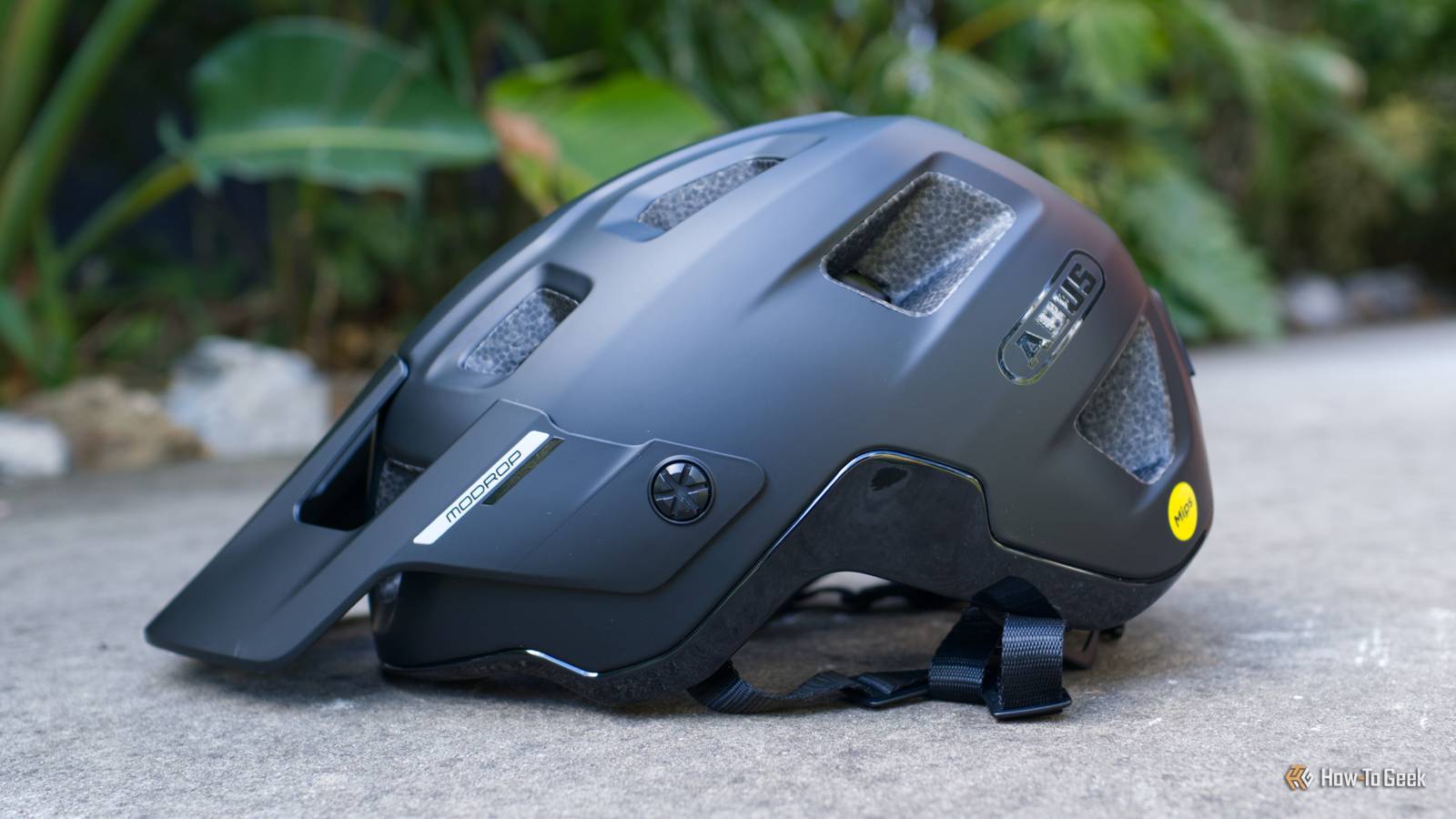
Published Nov 14, 2026, 6:00 AM EST Tim has been covering technology for almost 20 years, in that time spanning a broad range of topics from security to product reviews. He is especially focused on the Apple ecosystem, productivity, and consumer advice. Over the years Tim has written thousands of articles, reviews, and round-ups in addition to producing video content and original photography. A graduate of journalism, he found his footing as a freelancer with a laptop and loves how he is able to work from practically anywhere. Now a Senior Editor for iPhone, Mac, and Smart Home at How-To Geek, Tim still loves to write. He can also be found crafting round-ups and productivity posts for the Zapier blog. Earlier in his career Tim spent nearly a decade as a writer and eventually Apple section editor for MakeUseOf. Tim currently lives in Brisbane, Australia. Outside of work he loves to hike and work out, play video games, and spend quality time with his wonderful partner and two cats Inka and Roger. Most 3D printer owners are probably familiar with the constant desire to design, download, and print anything and everything you can. While this shows an admirable commitment to the hobby, it’s not always the right call. Here are some items that you should always shell out for (and a few very specific exemptions). Safety equipment It’s not worth the risk It should come as no surprise that you can technically print a bicycle helmet. Despite the good intentions of whoever would design such a model, you shouldn’t even entertain the thought. Bike helmets are essentially crumple zones for your head, designed to slow impact, and should be replaced at the first sign of damage. Companies that produce safety equipment have to adhere to strict standards in order to sell it. That goes for bike helmets, safety goggles, ear defenders, kneepads, and any other personal protective equipment you can think of that might save your life or prevent serious injury if used correctly. Your safety simply isn’t worth the money you’d save experimenting with your own designs or models found online. If it’s designed to protect you, buy something reputable that’s up to code. Anything designed to be watertight or waterproof Layer lines will let you down Credit: TRR/Shutterstock.com Filament deposition modeling (FDM) printers create items line-by-line, melting filament and depositing it into the desired shape. While this filament is fully melted during this process, small gaps can remain in the layer lines, which is something that doesn’t happen with traditional injection-molded fabrication. As a result, you should avoid using 3D printing for anything that needs to hold water, like plant pots and other containers. 3D printed items can absolutely get wet, though you should use a suitable material like PETG for this. Cheap bulk buys It’s not worth the filament cost I once 3D printed three wall plugs using a parametric plug generator . This made sense at the time since the holes I had to fill were of different sizes due to the way the cement had worn. It wasn’t about the cost but rather the convenience of not leaving the house, buying three different packets of plugs, and having a ton of leftovers I don’t really need. Generally speaking, I’d recommend against printing anything like this. Wall plugs are incredibly cheap, and you can match them to the screws you’re already planning to use so that they don’t follow you around for a decade or more. It’s also way more time-consuming to print a whole bunch of plugs than it is to just buy a pack, unless you only need a few singles, as I did. Acoustic sound paneling Material choice really matters here Credit: JARIIKAN/Shutterstock.com Acoustic sound paneling has all sorts of uses, from dulling the echo in your home to making your desk look like that of a pro streamer. It’s also fairly cheap to buy foam panels in bulk on websites like Amazon. The cheapest options aren’t going to match the professional stuff, but they will help. The same can’t be said of 3D-printed paneling, which is usually made from solid materials like PLA. Even using softer materials like TPU makes little to no sense given the cost and challenge involved in printing it. It’s better to get something that looks better, is cheaper, and that actually works instead. Items that will touch your food Broadly speaking There are many reasons that 3D printed items shouldn’t be considered food safe. The material used could potentially transfer harmful contaminants to your food; there’s the ever-growing risk of microplastics, plus getting a printed item clean can be a challenge given the layer lines and other areas that can harbor bacteria. There are exceptions to these rules, like when you’re using a “pure” material like Bambu Lab’s Pure PLA . Such food-safe, non-toxic filament types are less likely to transfer nasties to your food but still carry the risks inherent to this form of 3D printing. Another option is to seal any items that you print with a food-safe epoxy. This is what I would do if I wanted to design and print custom cookie cutters or similar items. I’d give those “salad washer” models that are all over 3D model repositories a wide berth, though. Electrical housing Safety standards exist for a reason You might have seen smart home light switch covers and novelty mechanical light switches, both of which are designed to fit over the existing light switches in your home. Neither is designed to replace the electrical housing that covers the bare wires in your home, and for good reason. Avoid printing anything designed to house high-voltage electronics. These require proper housings that meet specific safety standards. They need to be properly insulated and have the necessary heat resistance and flame-retardant properties to be safe. There are plenty of other items that you should avoid printing at home, even if the internet tells you to.
6 things you should always buy and never 3D print
Full Article
Original Source
Read the full article at Howtogeek →KhanList aggregates and links to publicly available news content. We do not host full articles from third-party sources. Always verify important information with original sources.