
Image via Paramount Pictures Published Jul 28, 2026, 6:41 AM EDT Michael Block is a 14 time GLAM Award nominated writer, producer, and host of the podcast Block Talk. Throughout his time in the entertainment industry, he has worked on and off Broadway as a stage manager, written several produced plays, critiqued hundreds of theatrical performances, drag and cabaret shows, and has produced events randing from drag competitoons to variety concerts! On Block Talk, he interviews nightlife personalities, covers the wide world of entertainment through features, ranking episodes, and recaps ALL of Drag Race, as well as Dragula and Survivor. He has interviewed hundreds of RuGirls that span the globe at DragCon NYC, DragCon LA, and DragCon UK. In his free time, he makes one-of-a-kind jewelry and gift baskets with his mom. He is a proud member of the LGBTQ+ community. Sign in to your Collider account There are many defining films in cinema that can be considered game-changers. Whether it's through their stories, career-defining performances, craft, or accolades, we simply cannot deny a masterpiece's impact. But as brilliant as these films are, it doesn't mean they are universally admired. They don't always go hand-in-hand. There may be films that are almost as good but are more universally beloved, so we note them for being more versatile. Francis Ford Coppola's The Godfather is one of the greatest films of all time. There's no denying that. But there are six films in cinema history that are a tad more beloved universally. The titles on this list represent a strong cross-section of genres, Hollywood history, and timelessness. They are included in this list because The Godfather is always in the conversation with them. But if we had the choice to turn on one of these other movies over The Godfather, we likely would. This list may be controversial, but art is subjective, which is why we continue to have cinematic debates. 1 'Casablanca' (1942) Image via Warner Bros. Pictures "Here's looking at you, kid." One of the most romantic lines ever uttered in cinema. It's an iconic line from an iconic. While both Casablanca and The Godfather share that in common, it's the themes and story of Casablanca that have helped make it a timeless classic. Directed by Michael Curtiz, the 1942 romantic war drama follows Rick Blaine (Humphrey Bogart), a cynical American nightclub owner in Morocco. He must choose between his love for a former flame, Ilsa Lund (Ingrid Bergman), and helping her husband, Victor Laszlo (Paul Henreid), a Czech resistance leader, escape the Nazis. The perfect screenplay with legendary dialogue, Casablanca's rich message about doing the right thing cements it as a beloved film. From the extraordinary acting to the sensational set pieces, to the brilliance of "As Time Goes By," there's not a single flaw in the film. Rick is a complex character like those found in The Godfather, but his mission is shifting from a cold loner to a caring fighter. Even with the dark backdrop of World War II and the real urgency, the moral weight is something fascinating to champion while watching. The morality in The Godfather is anything but hopeful. Casablanca has stronger accessibility because it embraces romance, noble sacrifice, and instant warmth. Casablanca celebrates a moral awakening and timeless sentiment, while The Godfather is revered for the dark critique of American capitalism and family corruption. Sometimes heroism is all it takes. And as they say, "We'll always have Paris." 2 'Goodfellas' (1990) Image via Warner Bros. Pictures This one may be a tricky one as both Goodfellas and The Godfather occupy the same space in the genre, but there is a method to the madness. The biographical gangster film directed by Martin Scorsese, adapted from Nicholas Pileggi's book Wiseguy, tells the story of the rise and fall of mob associate Henry Hill (Ray Liotta), and his partners, season truck hijacker Jimmy Conway (Robert De Niro) and volatile enforcer Tommy DeVito (Joe Pesci), in the Lucchese crime family over three decades. From a life of immense wealth, power and luxury to life behind bars, Henry turns to the FBI when he feels his life is on the line. A true cinematic masterpiece, Goodfellas revolutionized fast-paced editing, groundbreaking tracking-shots, and a relentless, high-energy soundtrack as it transformed the gangster genre by replacing the romanticized mythos with a gritty, authentic depiction of mafia life. There was a rhythm in which Scorsese and editor Thelma Schoonmaker crafted matched the cocaine-fueled paranoia and erratic lifestyle of Henry and co. It added a comedic edge, but it was a genuine examination of mob life as written by someone who experienced it. The mafia is part of reality, and thus it needed to feel as if it was infused in our world. Scorsese immerses the audience in Henry's world, giving a unique entry into the world unlike The Godfather. Not that you want to be caught in the crossfire of either, but there is more empathy for Henry than, say, Michael Corleone (Al Pacino) in The Godfather. The uncompromising authenticity and groundbreaking storytelling not only make it a top of the genre, but it establishes it as a Scorsese standout. The Godfather is a critically monumental movie, but it lacks the rewatchability that Goodfellas inherently has. The Godfather is like a Shakespearean myth while Goodfellas is a ground-level non-fiction. 3 'Star Wars: Episode V—The Empire Strikes Back' (1980) Image via Lucasfilm The 1970s through the early '80s was a completely transformative time period in Hollywood. Some of the very best films and franchises were born during that era that defined the future of cinema. Two of the biggest franchises, from two different genres, were The Godfather and Star Wars. The first film in that franchise revolutionized science fiction, but it was Star Wars: Episode V—The Empire Strikes Back that was viewed as filmmaking and storytelling at its finest— just like The Godfather. The Empire Strikes Back follows the Rebel Alliance as they flee from Darth Vader (James Earl Jones) and the Galactic Emppire after a devastating attack on the ice planet Hoth. While Luke Skywalker (Mark Hamill) learns the ways of the Force from Jedi Master Yoda (Frank Oz), his friends are hunted, leading to a trap, a shocking family secret, and a desperate rescue. The sequel took bold narrative risks, deepened its characters through severe hardships, and made the boldest move imaginable: let the bad guy win. In the world of storytelling, the Corleones are the heroes of their own narratives, but practically, they're the moral antagonists of reality. The Empire Strikes Back has a clear set of heroes and villains. The film subverts that trope by allowing the villains to triumph. It was virtually unheard of. But it was earned and warranted. Both The Godfather and Star Wars are about the trails and tribulations of father and son, but no parental battle has ever been quite like Luke and Darth Vader, who reveals, "I am your father." Both films took risks, but The Empire Strikes Back took it further than ever before. The good guys in The Godfather are not necessarily those you root for because you're not invested in them. Here, you are. You are engrained to adore Luke, Han Solo (Harrison Ford), and Princess Leia (Carrie Fisher). Watching them lose is a harrowing experience. But the twist is important for the greater arc of the trilogy. The Empire Strikes Back isn't a bridge film but an important standalone story that reshaped the narrative. At the end of the day, The Empire Strikes Back reaches a far broader audience as a popcorn blockbuster. It's a universally fun sci-fi adventure where space battles and lightsaber duels evoke nostalgia. Kids can play Star Wars. If they play The Godfather, we've got problems. Collider Exclusive · Star Wars Quiz Which Force UserAre You? Light Side · Dark Side · Or Somewhere Between The Force is not a binary. It is a spectrum — from the serene halls of the Jedi Temple to the shadowed corridors of Sith space. Ten questions will reveal where you truly fall. The Force has always known. Now you will too. 🔵Jedi Master 🟡Padawan 🔴Sith Lord ⚫Inquisitor ⚪Grey Jedi IGNITE YOUR SABER → 01 What is the Force to you? Your relationship with the Force defines everything else. AA living energy I must be worthy of — it is not mine to control. BSomething vast and mysterious I'm only beginning to understand. CNeither light nor dark — just a current I choose to ride. DPower. Pure and simple. The strong take it; the weak don't. NEXT QUESTION → 02 When you feel strong emotions — anger, grief, love — what do you do? The Jedi suppress. The Sith feed. Others choose differently. AAcknowledge them, then release them. Attachment leads to suffering. BFeel them fully, then decide what to do — they're not the enemy. CBury them. Emotion is a liability I can't afford to indulge. DUse them. Passion is the engine of the dark side for good reason. NEXT QUESTION → 03 The Jedi Council gives you an order you disagree with. You: How you handle authority reveals your alignment. AFollow it. The Council's wisdom surpasses my own perspective. BVoice my objection clearly, then defer to the decision. CComply outwardly while doing what I think is right. DIgnore it. The strong don't answer to committees. NEXT QUESTION → 04 You are offered forbidden knowledge that could give you enormous power. The cost is crossing a moral line. You: The dark side's pull is never more than a choice away. ARefuse without hesitation. There is no cost worth that price. BWeigh it carefully — sometimes darkness holds real answers. CFeel the pull but walk away — for now. DAccept it. Power justifies the method used to obtain it. NEXT QUESTION → 05 Your approach to training and learning is: A student's habits become a master's character. ADedicated but humble. There is always more to learn from my masters. BRigorous and patient. Mastery is earned through years of discipline. CEclectic — I draw from every tradition, not just one. DRelentless and brutal. Pain accelerates growth. Rest is weakness. NEXT QUESTION → 06 In a duel, your lightsaber fighting style reflects: Combat is the purest expression of a Force user's philosophy. ADefense and composure — I wait for my opponent to overcommit. BFast and instinctive — I trust the Force to guide my movements. CUnpredictable — I blend styles to keep enemies off-balance. DOverwhelming aggression — I end fights before they begin. NEXT QUESTION → 07 A defeated enemy lies at your feet, powerless. You: Mercy — or its absence — is the truest test of alignment. AStrike them down — compassion toward enemies is naïve and costly. BNeutralize them permanently. I can't afford loose ends. CSpare them if I can — but stay clear-eyed about the risks. DOffer them a chance to surrender. Every being deserves that. NEXT QUESTION → 08 The Jedi Code forbids attachment. Your honest view on love and bonds: The source of the greatest falls in the galaxy. AThe Code is right. Attachment clouds judgment and invites suffering. BLove is not a weakness — the Jedi Code got this one wrong. CI have no attachment — only loyalty to my master's mission. DI feel it deeply but struggle to reconcile it with my training. NEXT QUESTION → 09 Why do you use the Force at all? What's the point? Purpose is the difference between a knight and a weapon. ATo learn. I'm still figuring out what I'm capable of. BTo protect and serve. The Force is a responsibility, not a gift. CTo survive — and maybe carve out something worth having. DTo dominate. Strength demands to be expressed, not contained. NEXT QUESTION → 10 At the final moment — light side or dark side pulling at you — what wins? In the end, every Force user faces this moment. What does yours look like? AThe light. I choose peace, even when darkness would be easier. BNeither fully — I carve my own path through the middle. CWhoever I serve — my loyalty defines me more than my morality. DThe dark. Power is the only thing that's ever actually been real. REVEAL MY ALIGNMENT → Your Alignment Has Been Determined Your Place in the ForceThe scores below reveal how the Force sees you. Your highest number is your true alignment. Read on to understand what that means — and what it will cost you. 🔵 Jedi Master 🟡 Padawan 🔴 Sith Lord ⚫ Inquisitor ⚪ Grey Jedi Disciplined, compassionate, and deeply attuned to the living Force, you have walked the path long enough to understand its demands — and accept them. You lead not through authority alone, but through example. You have felt the pull of the dark side and chosen otherwise, every time. That is not certainty. That is courage. You are earnest, powerful, and brimming with potential — and you know it, which is both your greatest asset and your most dangerous flaw. You act before you think, trust your gut over your training, and sometimes confuse impatience for bravery. The Masters see something in you, though. The question isn't whether you have what it takes — it's whether you'll be patient enough to find out. You are not simply dangerous — you are certain, and that is worse. You have decided what the galaxy needs, and you have decided you are the one to deliver it. Your power is genuine and formidable, earned through sacrifice that would have broken lesser beings. But examine your victories carefully. Every Sith believed their cause was righteous. The dark side's cruelest trick is that it agrees with you. You were forged in fire and reshaped by those who found you at your lowest. You serve, because service gave you structure when you had none. Your allegiance is not to an ideology — it is to survival and to the master who gave you purpose. But there is something buried beneath the conditioning. The Jedi you hunt? You recognize them. Because you remember what it felt like before the choice was taken from you. You have looked at the Jedi Code and the Sith Code and found both of them incomplete. You walk the line not out of indecision but out of conviction — you genuinely believe both extremes miss something essential. The Jedi don't fully trust you. The Sith think you're wasting your potential. They're both partially right. But so are you. ↻ RETAKE THE QUIZ 4 'The Dark Knight' (2008) Image via Warner Bros. Pictures If The Godfather changed the trajectory of gangster movies, then The Dark Knight did the same for the superhero genre. Directed by Christopher Nolan, the sequel follows Batman (Christian Bale), Lieutenant James Gordon (Gary Oldman), and District Attorney Harvey Dent (Aaron Eckhart), as they team up to smash organized crime in Gotham City. Their mission is upended by the Joker (Heath Ledger), a chaotic criminal mastermind who wants to prove that anyone can be corrupted and plunge the city into anarchy. A truly gritty, street-level crime drama that used the beloved DC IP to its advantage, Nolan took the source material to ask deep moral questions through realistic action and iconic performances. At the end of the day, The Dark Knight provides an easier entry point to crime dramas than The Godfather. Crime is front and center of both films, but The Dark Knight pushed it to a whole new world. Especially for a superhero flick. Ledger's Joker shed the colorful cartoonish portrayals of the past for a brilliantly sick and twisted individual who was a terrifying, unpredictable force of nature. Instead of just fighting with fists, the Joker attempts to break Batman and society's rules from the inside through mind games. By creating the film sans magic and CGI monsters, the modern metropolis had a new sense of authenticity. It's a dark crime drama about human corruption and the cost of doing the right thing. It's a transcendent film, like The Godfather, but much more alluring. Another reason as to why The Dark Knight might have a more beloved appeal is Ledger's performance. The Godfather was an ensemble piece of legends; Ledger was delightfully electric. It was truly enigmatic. The Ledger effect outshines them all. 5 'The Godfather Part II' (1974) Image via Paramount Pictures This one is simple. There is no greater film that established a blueprint for how sequels can be better than the original than The Godfather Part II. Directed by Francis Ford Coppola and loosely based on the 1969 novel by Mario Puzo, the sequel tells two parallel stories. It follows Michael Corleone (Al Pacino) in 1958 as he expands his crime empire to Las Vegas and fights betrayal from his own brother, Fredo (John Cazale), in the process. In turn, Michael grows cold and cruel, causing his wife, Kay (Diane Keaton), to leave with her children. It then flashbacks to show his father, Vito Corleone (Robert De Niro), escape Sicily and build power in New York City as he gains respect by killing in Hell's Kitchen. A tried and true masterpiece, The Godfather Part II brilliantly pairs the parallel stories to depict the cyclical cycle through Vito's rise and Michael's fall to show the father's original dream of protecting his family ultimately turns into the tragic destruction of that same family. The Godfather Part II expanded upon an already brilliant story, enriching the characters with even more depth. The film explores the hopeful immigrant path and its dark, corrupt corporate counterpart while also showing how absolute power destroys personal bonds. As far as storytelling, The Godfather Part II did the impossible by seamlessly combining a sequel and a prequel into one cohesive narrative. It's a layered narrative without losing focus on character. In fact, the sequel does better character work than the original. It's seen in the mesmerizing performances by Pacino, De Niro, and Keaton. The Godfather Part II is a deeper artistic achievement. With richer, darker, and more atmospheric cinematography and profound character evolution, The Godfather Part II is the pinnacle film in the franchise. 6 'The Shawshank Redemption' (1994) Image via Columbia Pictures The entire body of work by Stephen King is not all scary horror and terrifying science fiction. The novelist can write a profound novel that can be expertly transformed into a pitch-perfect film adaptation. Such is the case with The Shawshank Redemption. One of the greatest films of all time, the Frank Darabont-directed drama tells the story of Andy Dufresne (Tim Robbins), a banker wrongly convicted of murdering his wife and her lover in 1947. Sentenced to life at Shawshank State Penitentiary, he befriends contraband smuggler Ellis Boyd "Red" Redding (Morgan Freeman) and quietly uses his financial skills to survive, resist institutional corruption, and maintain his inner hope over two decades. The Shawshank Redemption tells a deeply emotional story of optimism that features a powerful bond of friendship that delivers a richly satisfying payoff. Prison stories often depict jail as a terrible pit of despair where there is little room for hope. That is dispelled in The Shawshank Redemption. The story displays how staying hopeful can keep a person alive even in the darkest and most unfair places. Andy is a character you can't help but cheer for and champion. He uses his brain and patience to beat a cruel and corrupt system. At its core, the story is about humanity. Through friendship and adversity, the prisoners are presented as real humans with flaws and history, not just stereotypes of what Hollywood used to feature. In that respect, The Shawshank Redemption is like The Godfather because of how they flipped the script. The Godfather may be a superior artistic achievement, but The Shawkshank Redemption is beloved for its enduring message. It's a deeply moving picture that earns its ending. And it's a conclusion that will stick with you forever.
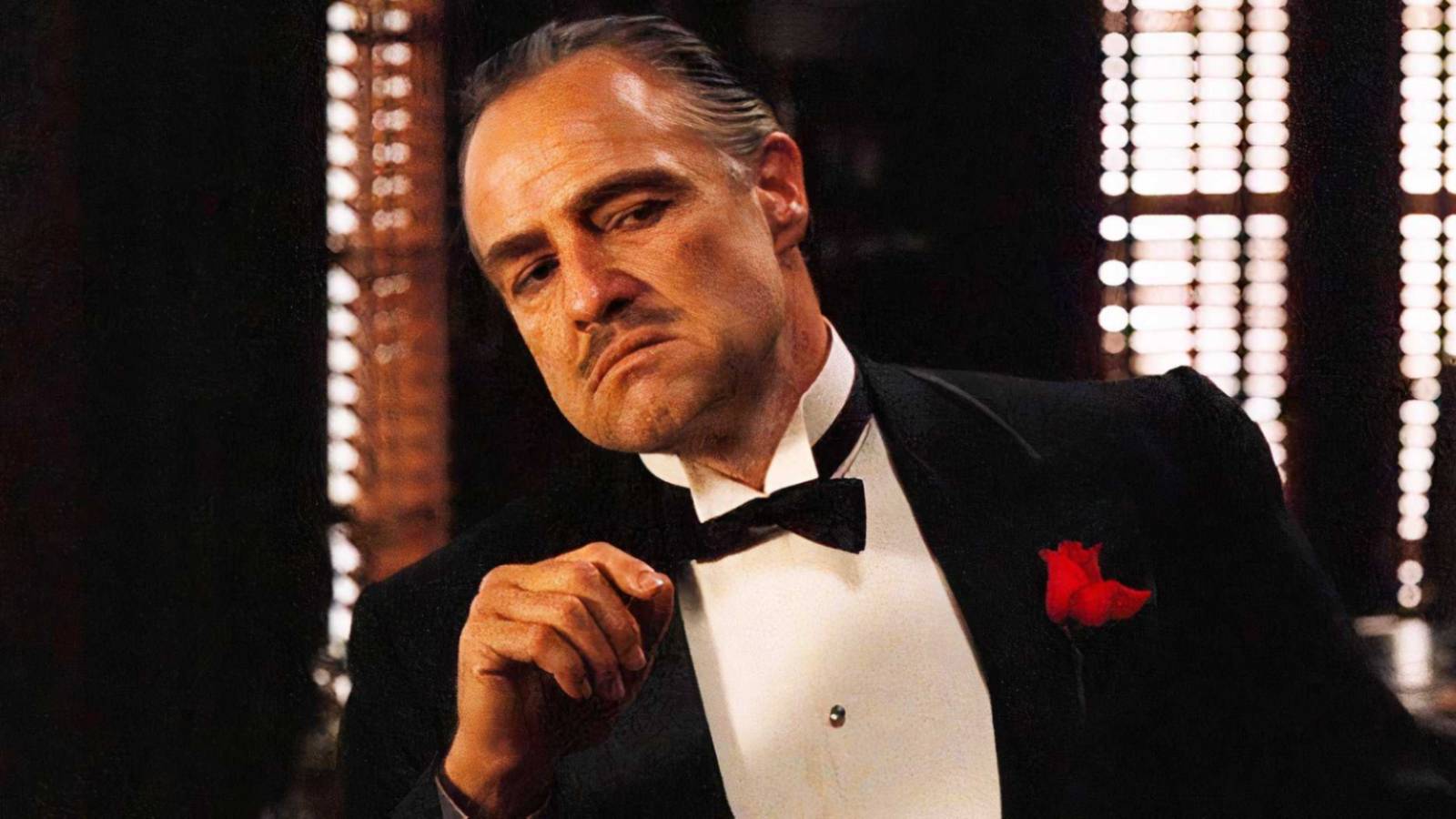
6 Movies More Universally Loved Than 'The Godfather'
Full Article
Original Source
Read the full article at Collider →KhanList aggregates and links to publicly available news content. We do not host full articles from third-party sources. Always verify important information with original sources.